British Shorthair Cat: Origin, Temperament, and Price

Big, round, draped in a coat as dense as velvet, and gifted with a copper gaze that seems to know everything: the British Shorthair is one of the most endearing cats around. Behind the unflappable teddy bear looks hides a calm, loyal, and surprisingly easygoing companion. Thinking about bringing this British ball of softness home? Discover its fascinating history, its unique personality, and the best way to give it a comfortable daily life.
Origins and History of the British Shorthair
The British Shorthair is one of the oldest recognized cat breeds, and its story is intertwined with that of England itself. Its ancestors are thought to be the cats brought over by the Roman legions nearly two thousand years ago: sturdy, resourceful animals that kept granaries and ships free of rodents. Over the centuries, these cats adapted to the damp climate of the British Isles, developing a short but incredibly dense coat that protects them from the cold.
Around 1870, everything changed. A passionate breeder, Harrison Weir, decided to select the finest specimens among these street cats and turn them into a breed of their own. The British Shorthair made a splash at the very first cat show in history, held at the Crystal Palace in London in 1871, where the breed standard began to take shape. Its full cheeks, sweet expression, and plush fur left a lasting impression: it is even said that this cat inspired the famous Cheshire Cat from Alice in Wonderland, with its enigmatic smile and reassuring roundness. After coming close to disappearing during the two World Wars, the breed was patiently rebuilt by breeders and is now one of the most popular cats in the world.
British Shorthair Personality and Temperament
If the British Shorthair wins so many hearts, it's above all for its rare emotional stability. This is a calm, laid-back cat that hates pointless commotion and prefers to watch its world with a sage's serenity. Far from clingy, it has a lovely streak of independence: it will happily follow you from room to room and settle down not far from you, but it never demands constant attention.
This taste for quiet observation is perfectly met by the suction-cup cat window perch, which takes up no floor space at all, at €29.99 (about $33), with free shipping.
This discretion doesn't mean coldness, quite the opposite. The British Shorthair is deeply attached to its family and forms strong, lasting bonds with its humans. It simply shows its affection with restraint and elegance, rather than with overwhelming cuddles. Many of them don't much enjoy being carried for too long, preferring to curl up next to you when the mood strikes.
Patient, well balanced, and rarely aggressive, it generally gets along very well with children, seniors, and other pets. Its legendary calm makes it an excellent companion for apartment living as well as life in the countryside. Quietly intelligent, it loves routines and predictable surroundings, where it can show off its natural placidity.
British Shorthair Size, Weight, and Appearance
You can't mistake the British Shorthair for any other breed. It's a large cat with a compact, powerful build and harmonious curves all over. An adult male can weigh between 11 and 18 lb (5 to 8 kg), while the female stays smaller. Its so-called "cobby" build is recognized by a stocky body, short sturdy legs, a broad chest, and solid bone structure.
Its perfectly round head is probably its most iconic feature: full cheeks with a well-defined shape (especially in males), a short muzzle, a small nose, and big round eyes, most often a superb copper or orange shade that contrasts with the coat. This chubby-cheeked look earns it the nickname "teddy bear" cat.
Its short, dense coat is a real asset. With no excess undercoat but remarkable thickness, it has a plush, almost cottony texture that stands slightly away from the body. The most famous color is the renowned British Blue, a uniform blue-gray, but the breed now comes in a multitude of colors and patterns: cream, black, lilac, chocolate, tabby, tortoiseshell, colorpoint, and more. Robust and resilient, the British Shorthair also enjoys great longevity, with a life expectancy of 14 to 20 years when well cared for.
Curious about your cat's age in human years? Our tool calculates it instantly.
British Shorthair Price
The price of a British Shorthair from a breeder generally falls in a range of €800 to €1,800 (about $880 to $1,980). Several factors explain this sometimes significant gap from one kitten to another:
- Bloodline: a kitten from show-titled parents or one intended for breeding costs more than a "pet quality" kitten.
- Coat and eyes: certain rare colors (lilac, chocolate, colorpoint) or particularly intense eye shades push the price up.
- The breeder's professionalism: a registered breeder who runs health tests, microchips, vaccinates, and socializes their kittens will logically reflect that care in the price.
These amounts are given as a guide and reflect the typical market price range seen among breeders; they are in no way a Le Félin sales price. Le Félin does not sell cats: our mission is to equip yours with accessories chosen for their comfort and well-being. Beyond the purchase price, also think about the ongoing budget: quality food, veterinary care, and gear suited to a cat of this size.
Welcoming and Equipping a British Shorthair
Welcoming a British Shorthair means, above all, offering a calm, comfortable setting that matches their temperament. Here are a few practical tips to get off to a good start:
- A cat bed sized for them. Large and rather homebodied, this cat spends a lot of time resting. Offer a roomy, plush cat bed that can hold their generous frame without squeezing them. Our cozy, generously sized cat beds suit a British Shorthair's build perfectly.
- Regular coat care. Their dense fur needs brushing once or twice a week, and a little more during shedding season, to limit tangles and hairballs.
- Activity despite their laid-back nature. Naturally not very sporty, the British Shorthair tends to gain weight. Get them moving with short play sessions, scratching posts, and a sturdy cat tree.
- A cat water fountain. Like many cats, they sometimes drink too little. Fresh, flowing water encourages them to stay hydrated, a real plus for protecting their kidneys over the long term.
- Stable landmarks. A fan of routine, they'll appreciate cat bowls, a litter box, and resting spots set up in fixed, quiet places around the house.
With a well-thought-out environment, your British Shorthair will repay you with many years of serene, affectionate presence.
A legendary cat with a Cheshire grin, the British Shorthair is the perfect picture of the quiet elegance of British cat breeds. If its story won you over, keep exploring and see where it fits in the wider feline family with the cat breed family tree: a great way to better understand the origins and family ties of our four-legged companions.
Gear for a British Shorthair: our recommendations
An adult British Shorthair is heavy and jumps hard. Look for a cat tree with a wide base and a rated weight capacity well above your cat's weight, plus an XXL cat carrier for trips.
- XXL cat tree for Maine Coons: 185 cm, 53 × 42 cm base, rated for 60 kg, €139.99 (about $154)
- Sturdy cat tree for Maine Coons: 170 cm, reinforced structure for big cats, €219.99 (about $242)
- XXL cat carrier: 45 × 25 × 28 cm, ideal for vet visits, €79.99 (about $88)
See the full collection → · Free shipping in France and across Europe.
British Shorthair at a Glance
The essentials on the British Shorthair, all in one place:
| Trait | Details |
|---|---|
| Origin | United Kingdom |
| Size | Male 5-8 kg (11-18 lb), female 4-6 kg (9-13 lb) |
| Life expectancy | 14-20 years |
| Coat | Short, dense, "plush" (often blue) |
| Temperament | Calm, independent, gentle and placid |
| Distinctive traits / health | Round face; predisposition to HCM, PKD and weight gain |
| Typical price | €800 to €1,800 (about $880 to $1,980) |
 Le FélinComparison
Setting Up Your British Shorthair at Home
A laid-back cat spends most of the day sleeping and watching the world go by. Giving it a few spots that are truly its own makes those long, peaceful years even more comfortable.
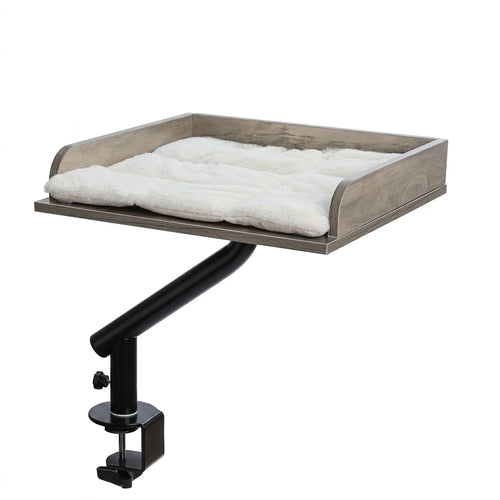
 Model 01High sides for curling up in a ball€39.99 (about $44)View
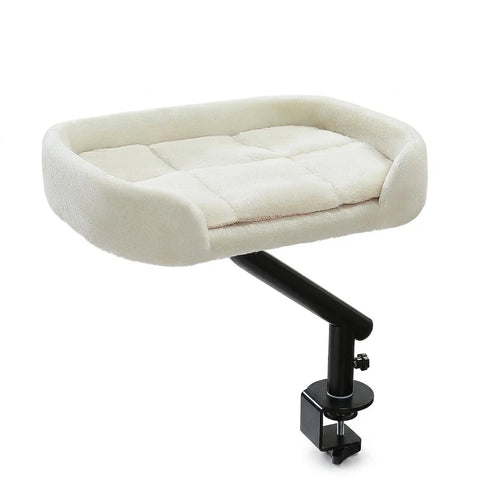
  Model 02A semi-enclosed cocoon for quiet naps€44.99 (about $49)View
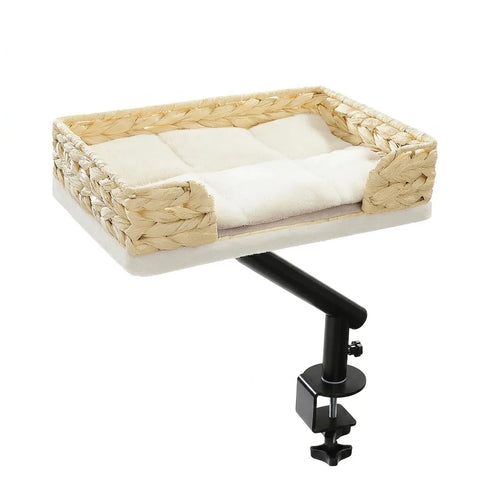
  Model 03Its warm spot as soon as the cold sets in€39.99 (about $44)View
📚 Sources and References
- LOOF (Livre Officiel des Origines Félines). British Shorthair breed standard. https://loof.asso.fr
- TICA (The International Cat Association). British Shorthair Breed Profile. https://tica.org
- CFA (Cat Fanciers' Association). British Shorthair Breed Profile. https://cfa.org
- FIFé (Fédération Internationale Féline). British Shorthair breed standard. https://fifeweb.org
- International Cat Care. British Shorthair. https://icatcare.org
- Encyclopædia Britannica. British Shorthair. https://britannica.com
Frequently Asked Questions About the British Shorthair
-
The British Shorthair is a remarkably even-tempered cat, calm and easygoing, who would rather watch the world go by serenely than demand constant attention. Deeply attached to their family, they form strong, lasting bonds with their humans, but show affection with restraint and elegance, never being clingy. Patient and rarely aggressive, they generally get along very well with children, seniors, and other pets.
-
A British Shorthair from a breeder typically costs between €800 and €1,800 (about $880 to $1,980), depending on pedigree, coat color, and the breeder's reputation. We recommend choosing a reputable, well-established breeder to bring home a healthy kitten. Le Félin does not sell cats and encourages you to do your research with licensed breeders.
-
The British Shorthair is a large cat with a compact, powerful build: a stocky body, short sturdy legs, and a broad chest, the hallmarks of what's known as a cobby body type. Their perfectly round head, full cheeks, and big eyes in a stunning copper or orange shade earn them the nickname "teddy bear cat." Their short, dense coat, with an almost plush texture, comes in many colors, including the famous British Blue, a solid blue-gray.
-
Yes, the British Shorthair is an ideal family companion thanks to their legendary calm and balanced temperament. They adapt just as well to apartment living as to the countryside, and get along nicely with children, seniors, and other pets. Their deep attachment to their humans, combined with a naturally independent streak, makes them an easygoing cat who doesn't need constant attention to thrive.


Your cat’s well-being, our number one priority
A French team that lives with cats, products chosen for their instincts (climbing, scratching, watching, hiding) and over 100 guides written to help you choose well.
- Free deliveryFrance and Europe, no minimum
- Secure paymentCard, Apple Pay, PayPal, Shop Pay
- 30-day returnsSatisfied or refunded
- Expert advice100+ guides and tutorials, support in France