Why Buy a Cat Tree? 7 Benefits for Your Cat (and Your Couch)

A cat tree lets your cat act on natural instincts like climbing, watching, scratching, and resting up high, while protecting your furniture and boosting daily well-being with a safe, structured space of their own.
For indoor homes, a cat tree helps channel energy, reduces stress, and supports emotional balance. Several studies on animal behavior confirm that an enriched environment improves physical activity and mental health in domestic cats, especially those living in apartments. Organizations like ANSES (the French Agency for Food, Environmental and Occupational Health & Safety) also stress the importance of meeting a cat's natural behavioral needs to prevent boredom and certain forms of anxiety. Investing in a sturdy, well-suited cat tree is good for your cat's comfort and for harmony at home.
Where to Put a Cat Tree in an Apartment
Place the tree near a light source and a lookout spot
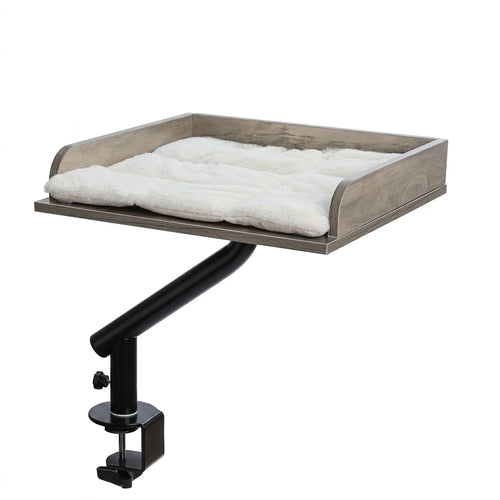
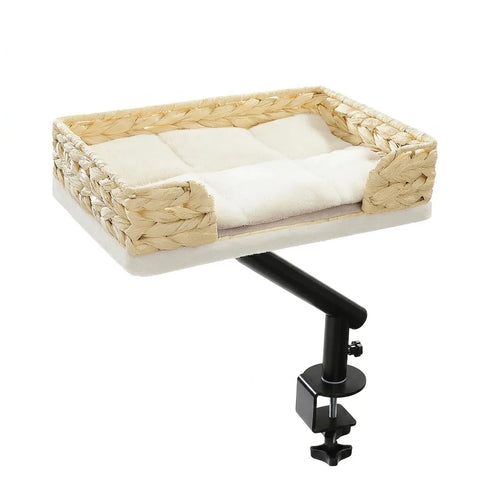
The best spot is near a window or a raised area, so your cat can watch the outdoors and keep an eye on their territory. This position feeds their instinct to watch from above and strengthens their sense of security. When planning your layout, put the cat tree near a quiet but not isolated walkway. It will get used every day and is less likely to be ignored. You can also round out the setup with a wall-mounted bed or a light gray cat window perch to add more comfortable lookout spots.
In a studio, the Flower Cat Tree with Metal Frame Hammock gives your cat vertical room to climb and lounge, at $104.99, free shipping.
Avoid noisy, unstable, or stressful areas
Avoid spots exposed to drafts, slamming doors, or noisy appliances (washing machine, loud TV, busy kitchen). An overly hectic environment can keep your cat from climbing up. According to guidelines on feline environments published by the French Ministry of Agriculture, the stability of vertical supports and the quality of footholds play a key role in preventing falls and stress in domestic animals. If the tree is tall, we recommend anchoring it to the wall or ceiling for extra stability and worry-free daily use.
Adapt the placement to your apartment's layout
In a small space, choose a corner of the room or an angled area so you can use height instead of width. In a larger home, you can add several lookout spots to spread out territory and ease tension between multiple cats. A well-placed cat tree becomes a central landmark, not just a decorative accessory. For a cohesive look, it can also complement a collection of designer cat trees made to blend into your home.

Best Cat Tree for a Maine Coon
Choose an extra-large, stable, heavy-duty structure
Because the Maine Coon is a large breed, they need an XXL cat tree with a wide base, thick posts (at least 4 to 5 inches, or 10 to 12 cm), and deep platforms. A model that's too thin or light can tip over when they jump. Sturdy materials like solid wood, thick sisal, and metal hardware last longer and keep things safer day to day. Beds need to be wide enough for their big frame and long legs, so they never feel cramped or off balance.
Look for wide platforms and beds sized for big cats
Platforms and cubbies should offer roomy, rock-solid sleeping space. Maine Coons often prefer open, raised spots over small enclosed nooks. Padded, removable cushions are easier to clean and are gentler on the joints of large adult cats. If you want to equip your home for the long run, a collection of Maine Coon cat trees lets you choose models designed for their build.
Consider weight, height, and everyday use
A tree that's too light wears out fast or becomes wobbly over time. A heavy, well-balanced model, on the other hand, handles repeated jumps and hard scratching better. The height should let your cat survey the room while staying easy to reach without extra effort. For safe daily use, consider the 180 cm Cat Tree with Two Large Condos, a tall model made with large cats in mind.
How to Get a Cat to Use Their Cat Tree
Introduce the tree gradually as a positive space
Most cats need an adjustment period before they take to a new tree. Start by placing a familiar blanket, some toys, and a few treats on it so they link the tree with good experiences. Never force your cat to climb: let them explore at their own pace. You can make the scratching posts more appealing by rubbing a little catnip on the posts. Placing the tree near a resting spot they already like also helps them adopt it gradually.
Spark play, curiosity, and the hunting instinct
Use wand toys or hanging cat toys to guide your cat up to the top platforms. Short but frequent play sessions help them associate the tree with fun, rewarding activity. This approach builds their hunting instinct without pressure or frustration. Over time, the tree becomes a place to unwind, then a top-choice resting spot within their indoor territory.
Avoid common mistakes that can slow adoption
A tree that's wobbly, too tall, or badly placed can keep your cat from climbing it. Likewise, a tree in a cold, noisy, or dark spot will rarely get used. Check the hardware, the condition of the posts, and overall stability regularly to keep things safe. Cleaning fabrics and cushions regularly also prevents unpleasant odors that can put off even the pickiest cats.

Best Cat Tree for a Kitten
Choose a low, growth-friendly, safe model
For a kitten, choose a cat tree with closely spaced platforms, a moderate height, and gradual access points. Models that are too tall or have slippery surfaces can raise the risk of falls. Soft, padded surfaces encourage relaxation and support joint development. A model that grows with your kitten, like the Cactus Cat Tree with Cozy Nest Condo, can support their development and then fit their full adult size.
Encourage learning to climb and scratch
Kittens are still discovering what their bodies can do: jumping, balance, coordination. A cat tree with small scratching posts, low cat hammocks and secure cat houses helps them build these skills safely. Introducing a dedicated scratching spot early also protects your furniture in the long run. This positive way of marking territory reduces destructive behavior and makes it easier to move up to a taller cat tree in adulthood.
Supporting emotional well-being during the growth phase
Kittens need reassuring spots to rest and recover after playtime. The right cat tree becomes a safe, cozy cocoon that limits stress and overstimulation. Placed in a calm, stable environment, it helps structure their sleep and exploration routines. This emotional side plays an essential role in their overall behavioral development.

 Le FélinReminder
Find the cat tree that fits your cat
A cat tree is only useful if it suits your cat's size, age and the space you have. Here are three common profiles to help you get your bearings before you choose.
📚 Sources and references
- International Cat Care. Resources on environmental enrichment and cat behavioral needs. https://icatcare.org
- Cornell Feline Health Center. Resources on environmental enrichment for indoor cats. https://vet.cornell.edu
- ANSES (French Agency for Food, Environmental and Occupational Health & Safety). Resources on animal welfare and behavioral needs. https://anses.fr
- Turner, D. C., & Bateson, P. (Eds.). The Domestic Cat: The Biology of its Behaviour. Cambridge University Press.
- Bradshaw, J. (2013). Cat Sense.
FAQ: Why Buy a Cat Tree
-
Yes, a cat tree is especially recommended for apartment living. It makes up for the lack of outdoor access and lets your cat climb, observe and rest up high. It enriches their environment, reduces boredom and supports their mental and physical balance every day.
-
Yes. By offering dedicated scratching areas, it naturally steers your cat away from the sofa, curtains and armrests. Sisal scratching posts satisfy your cat's instinct to sharpen their claws while preserving your furniture and shaping their scratching habits.
-
Lifespan depends on the materials, how often it's used and your cat's size. A sturdy model with thick posts, a stable base and solid fasteners can last several years, as long as you care for the fabrics and tighten the hardware regularly.
-
Both options work well. A wall-mounted cat tree suits small spaces and offers excellent stability, while a freestanding model provides more platforms and resting spots. The choice mostly depends on the floor space you have available and your cat's size.
-
It can be enough if it has plenty of platforms, but in a multi-cat home it's better to have several resting areas or a multi-level model to limit territorial tension and give each cat its own space.


Your cat’s well-being, our number one priority
A French team that lives with cats, products chosen for their instincts (climbing, scratching, watching, hiding) and over 100 guides written to help you choose well.
- Free deliveryFrance and Europe, no minimum
- Secure paymentCard, Apple Pay, PayPal, Shop Pay
- 30-day returnsSatisfied or refunded
- Expert advice100+ guides and tutorials, support in France