How to Cat-Proof a Balcony: Nets, Enclosures & More

To secure a balcony for your cat, install a sturdy protective net (mesh no larger than 3 cm, about 1.2 in) covering the whole railing and every opening, from floor to ceiling. Then remove any footholds that lead toward the drop, keep toxic plants out of reach, and never leave your cat alone on the balcony until the setup is complete. Net, plexiglass or enclosure: what matters is a stable barrier with no way out.
Which Cat Safety Net Should You Choose?
A safety net is the most common way to make a balcony safe for a cat. It works as a physical barrier that stops falls and any attempt to slip out. Never choose a net at random: an unsuitable model can sag, tear or be climbed by your cat.
Nylon, Polyester or Metal Nets: What's the Difference?
Nylon nets are lightweight, flexible and discreet. They suit standard city balconies and are easy to install. Polyester nets resist UV rays and bad weather better, so they last longer with prolonged exposure. Nets reinforced with steel cable are recommended for very active or heavy cats, because they stand up better to scratching and repeated strain.
Mesh Size and Strength: Two Essential Criteria
A mesh smaller than 3 cm (about 1.2 in) is strongly recommended so your cat can't get a head or paws through. The net must be strong enough to hold your cat's weight if they lean on it or jump against it. A net designed specifically for pets is better than a generic garden or safety net.
Blending In and Staying Discreet
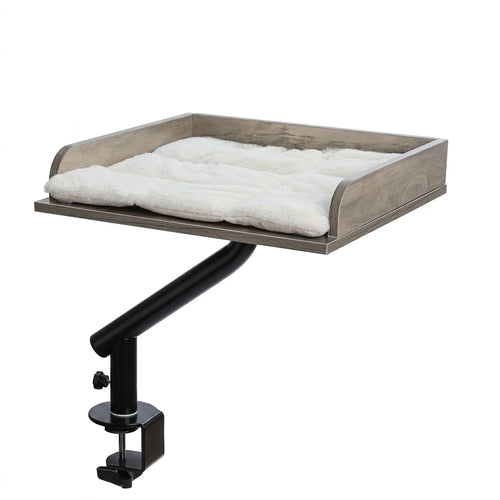
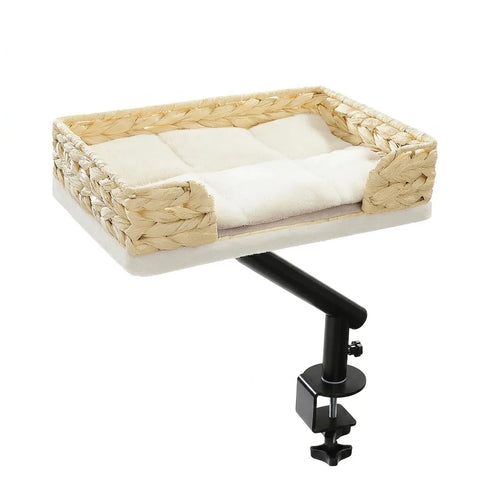
Once the balcony is secured, it's important to keep your cat from constantly trying to sit on the ledge. Offer a more comfortable lookout spot instead, such as a mounted shelf board. If you're still worried, you can always fall back on a cat hammock to set up indoors, so you no longer have to worry about your cat's safety.

How to Install a Cat Safety Net Without Drilling
In many homes, drilling into walls or railings is not allowed. Fortunately, there are effective ways to install a safety net without drilling while still keeping your cat very safe.
And if the drill is off limits, the lookout spot can go screw-free too: the cat window perch hangs on the glass with high-grip suction cups, in breathable dark gray or cream mesh, for €29.99 (about $33), with free shipping.
Tension Systems and Telescopic Poles
Telescopic poles are wedged between the balcony floor and ceiling to keep the net taut. This solution is especially popular with renters because it leaves no marks. Check the tension regularly to make sure nothing loosens.
High-Strength Adhesive Fasteners
Adhesive hooks designed specifically for outdoor use can hold a significant load. They must be applied to a clean, dry surface for the best grip. This method works best for lightweight nets and for cats that aren't inclined to climb.
Limits and Precautions to Know
A no-drill installation needs regular checks. To reduce strain on the net, it's a good idea to give your cat a stable place to rest, such as a cat bed placed away from the edges.
How to Build an Outdoor Cat Enclosure
An outdoor cat enclosure turns your balcony into a safe, enriching space. It's ideal for owners who want to give their cat more freedom of movement without the risk of falls or escapes.
Basic Structure and Suitable Materials
The frame of an enclosure can be built from treated wood or aluminum. These materials offer a good balance between sturdiness and light weight. The sides should be covered with fine wire mesh or a reinforced safety net so nothing can get out.
Anchoring and Stability
An enclosure must be perfectly stable to withstand your cat's movements and the weather. Use multiple anchor points, firmly attached to the floor or to the balcony walls. A poorly secured structure can become dangerous, especially in strong wind.
Setting Up the Inside for Your Cat's Well-Being
A safe enclosure should also be stimulating. Adding platforms, cat houses and scratching posts lets your cat climb, watch the world and rest. Setting up a small cat tree or a suitable bed encourages your cat to use the space while limiting risky behavior.

How to Keep a Cat From Jumping Over a Wall
Cats are excellent climbers and jumpers. Keeping a cat from jumping over a balcony wall takes a mix of physical barriers and an understanding of their behavior.
Angled and Extended Barriers
A barrier that angles inward discourages jumping attempts. The angle throws off your cat's momentum and greatly reduces the risk of climbing over. Raising the height of the railing with a net or a clear panel is also effective.
Stimulation and Enrichment to Curb the Urge to Escape
A well-stimulated cat is less tempted to jump. Adding cat toys, lookout platforms and rest areas on the balcony channels their energy and attention toward safe activities, such as using a cat tree placed nearby.
Understanding Feline Behavior
According to behavioral studies, cats mainly jump to explore or hunt. By providing a safe, enriched environment, you reduce these natural urges without resorting to restrictive solutions.
This approach is consistent with the animal welfare recommendations published by the French Ministry of Agriculture, which stresses the importance of environmental enrichment for cats' well-being.
How High Should a Cat Fence Be?
Fence height is a decisive factor in making a balcony safe for a cat. A fence that's too low will be cleared quickly, while the right height effectively limits the risks.
Recommended Minimum Height
A minimum height of 1.80 m (about 6 ft) is generally advised to keep an adult cat from jumping over. This figure takes into account the average vertical jump observed in domestic cats.
Adapting the Height to Your Cat's Profile
Young, sporty, or athletic cat breeds may need extra height. In those cases, offering safe vertical space indoors, such as an XXL cat tree, can reduce the urge to test the limits of the balcony.
Standards and Best Practices
Animal welfare organizations recommend matching the height and sturdiness of any setup to the cat's actual abilities. Similar advice is also shared by veterinarians who specialize in feline behavior, such as those cited in publications from the national veterinary association.

 Le FélinThe diagram
Secure the balcony, then give the height back
A secured balcony solves the danger, not your cat's need to watch and climb. These indoor setups give your cat a vertical territory, so they won't go looking for it on the ledge.
- →
 A sunny lookout spot, mounted with no drilling€34.99 (about $38)
 - →
 A bed hanging from the glass, nothing on the floor€39.99 (about $44)
 - →
 A full vertical course, from floor to ceiling€119.99 (about $132)
LEFELIN.COMlesson #1, Le Félin📚 Sources and References
- International Cat Care. Resources on indoor and outdoor cat safety. https://icatcare.org
- Cornell Feline Health Center. Resources on cat behavior and well-being. https://vet.cornell.edu
- MSD Veterinary Manual. Plant poisoning in cats. https://msdvetmanual.com
- ANSES. Toxic plants for pets. https://anses.fr
FAQ: Securing a Balcony for a Cat
-
Yes. A cat can fall after losing its balance, hearing a sudden noise, or reacting to its hunting instinct. Agility doesn't protect against accidents.
-
It isn't legally required, but it is strongly recommended to prevent accidents and keep your cat safe.
-
Nets designed for cats resist scratching and light biting, but regular inspection is still essential.
-
Yes, with no-drill systems like telescopic poles or heavy-duty adhesive mounts.
-
Yes, a gradual introduction lets your cat get their bearings and associate the balcony with a positive experience.


Your cat’s well-being, our number one priority
A French team that lives with cats, products chosen for their instincts (climbing, scratching, watching, hiding) and over 100 guides written to help you choose well.
- Free deliveryFrance and Europe, no minimum
- Secure paymentCard, Apple Pay, PayPal, Shop Pay
- 30-day returnsSatisfied or refunded
- Expert advice100+ guides and tutorials, support in France