Ragdoll Cat: The Blue-Eyed Giant, Temperament and Price

Picture a cat so relaxed it flops into your arms like a rag doll left out in the sun, paws dangling, blue eyes half-closed, purring with total trust. That's the Ragdoll: a gentle giant, a devoted shadow, and the ultimate indoor companion. If you're looking for an affectionate, easygoing, and remarkably soft cat, let us introduce you to this exceptional breed that has won over homes across the globe in just a few decades.
Origins and History of the Ragdoll
The Ragdoll's story begins in the United States in 1963, in California, thanks to a passionate breeder named Ann Baker. It all started with a white longhaired cat, Josephine, and her remarkably docile kittens. Struck by their unusual temperament (these cats went completely limp the moment they were picked up), Ann Baker set out to fix this one-of-a-kind trait through careful, selective breeding.
The name "Ragdoll" says it all: a cat that goes fully limp in your arms, without the slightest resistance, as if all muscle tension had simply switched off. This unusual behavior, paired with an imposing build and strikingly deep blue eyes, quickly caused a sensation. Gradually recognized by major cat associations starting in the 1960s and 1970s, the breed crossed the Atlantic and won over European breeders too, and today ranks among the most beloved breeds for anyone seeking a calm, cuddly cat.
Ragdoll Temperament and Personality
If one quality defines the Ragdoll, it's absolute gentleness. This is an ultra-soft, laid-back cat, sometimes described as "floppy" for how completely it lets itself be held and handled with disarming calm. Where other cats tense up or bolt, the Ragdoll melts into your arms and lets go completely.
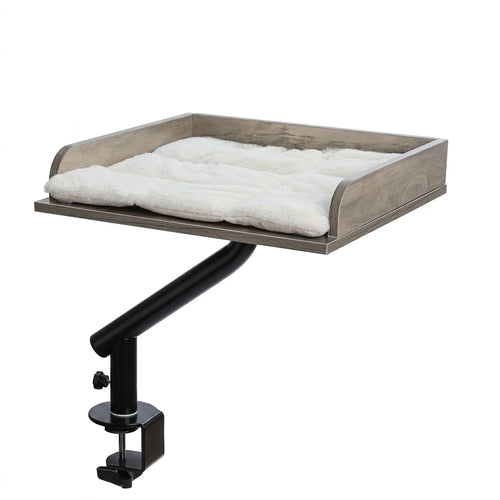
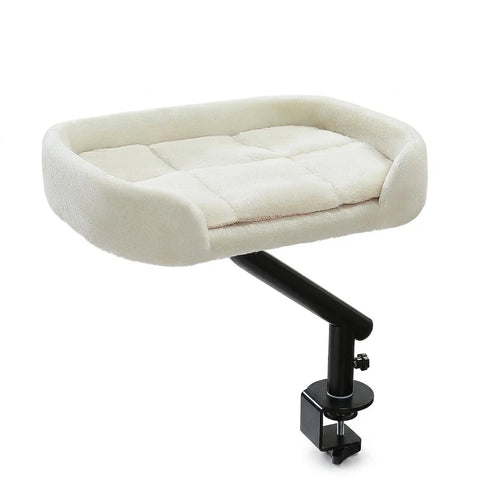
Does your Ragdoll follow you from room to room? The Rotating Plush Cat Bed for Desks clamps to the edge of the desk and swivels a full 360°, available at €89.99, free delivery.
It's also a true shadow. The Ragdoll follows its favorite human from room to room, settles in beside them on the couch, greets them at the door, and craves constant company. Deeply attached to its family, it doesn't handle prolonged solitude well and thrives in busy households full of attention and open arms.
Gentle doesn't mean dull, though: the Ragdoll enjoys quiet play, picks up simple tricks with ease, and shows remarkable social intelligence. Its voice is soft, its meows discreet. Patient and tolerant, it generally gets along beautifully with kids, older adults, and even other pets, making it an ideal family companion. One caveat: its natural trust and lack of wariness make it vulnerable outdoors. This is a cat built for indoor life, where its easygoing charm truly shines.
Ragdoll Size, Weight, and Appearance
The Ragdoll is a very large cat, one of the biggest among domestic breeds. Males can reach an impressive weight, and their muscle mass develops slowly: it often takes three to four years for a Ragdoll to reach full physical maturity. Its body is long, sturdy, and solidly built, carried on powerful legs with a full, plush tail.
Its silky, semi-long coat is one of its most appealing features. Soft as silk, it's less prone to tangling than that of some other longhaired breeds thanks to a light undercoat. The coat comes in several patterns and colors (colorpoint, mitted, bicolor), all set off by the breed's signature feature: stunning, deep, expressive blue eyes.
As for health, the Ragdoll has a lifespan of 12 to 17 years, provided it gets a proper diet, regular veterinary care, and a safe environment. Like every breed, it can carry certain predispositions, which is why choosing a responsible breeder who runs the recommended health screenings matters so much.
To convert these years into human years, use our cat age in human years converter and its detailed chart.
How Much Does a Ragdoll Cost?
Ragdoll kittens from a breeder typically fall in an indicative range of $800 to $1,800. Several factors explain the spread: the bloodline and pedigree of the parents, the coat and pattern (some colors are more sought after than others), the reputation and rigor of the breeder, and the health guarantees provided (genetic testing, vaccinations, microchipping, veterinary follow-up).
This figure reflects a general market price range in cat breeding, not a commercial offer from us. To be perfectly clear: Le Félin does not sell cats. Our business is equipping and pampering the cats who already share your life. Beyond the upfront cost, budget for ongoing expenses too: quality food, litter, veterinary care, and, of course, an enriched environment worthy of this gentle giant.
Welcoming and Equipping a Ragdoll
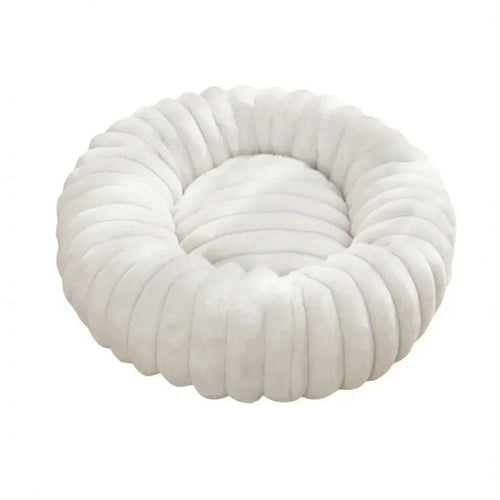
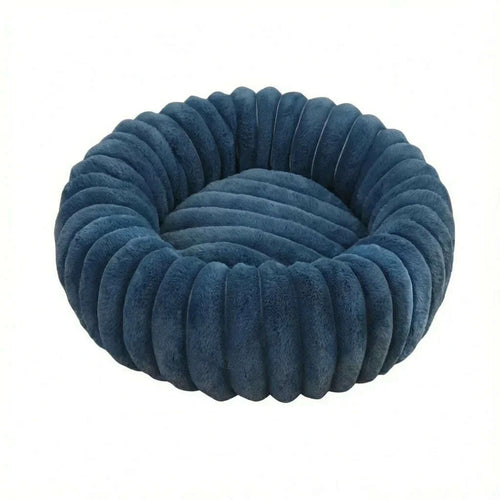
Welcoming a Ragdoll means setting up an indoor haven where this big cat can feel safe and stimulated. Start with plush, roomy cat beds placed in quiet spots that still stay close to the family action, since this cat loves being near you.
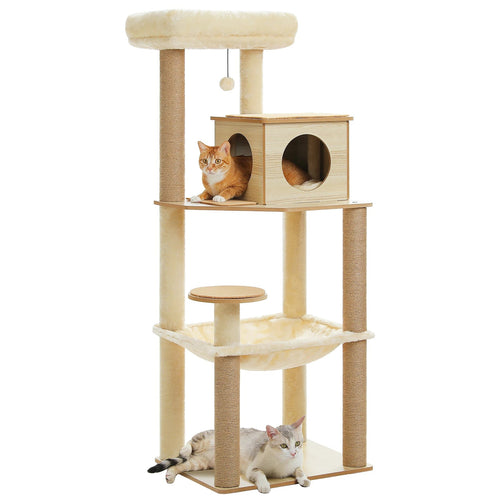
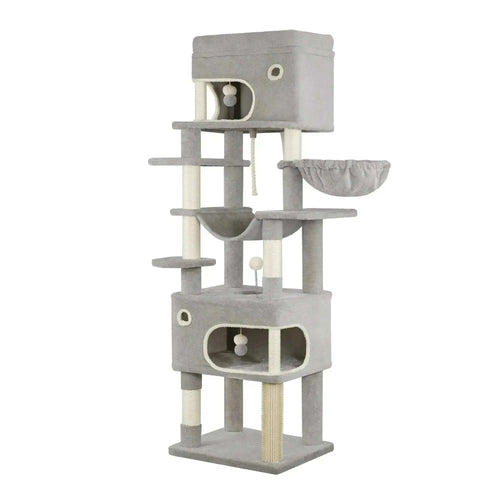
Because it's such a large cat, its furniture needs to be sturdy and properly sized. A solid scratching post will protect your furniture while keeping its claws in good shape, and a cat water fountain will encourage it to stay well hydrated, which matters a lot for kidney health. Above all, give it height: even homebodies among Ragdolls love surveying their territory from a comfortable perch. Choose structures built for larger cats, like our XXL cat trees, whose wide platforms and reinforced posts suit this breed's size perfectly.
As for grooming, regular brushing, ideally two to three times a week, is enough to keep its silky coat looking its best and cut down on hairballs. Add in gentle play sessions, cozy hideaways, and suitable toys to keep it balanced and content, and you'll have one happy Ragdoll.
Gentle, devoted, and majestic, the Ragdoll is the picture-perfect indoor companion so many households are looking for. If its rag-doll temperament has won you over, why not explore breeds that resemble it or stand apart from it? Check out the cat breed family tree to better understand the links, origins, and personalities of our feline friends, and maybe find the perfect companion to equip with Le Félin.
Related breeds to explore: Ragamuffin, Maine Coon, Siberian, and Norwegian Forest Cat.
Equipping a Ragdoll: our recommendations
An adult Ragdoll is heavy and lands hard. Choose a cat tree with a wide base and a load rating well above its weight, plus an XXL carrier for trips out.
- XXL Cat Tree for Maine Coon Cats — 185 cm tall, 53 × 42 cm base, rated for 60 kg — €139.99
- Sturdy Cat Tree for Maine Coon Cats — 170 cm, reinforced structure for heavy cats — €219.99
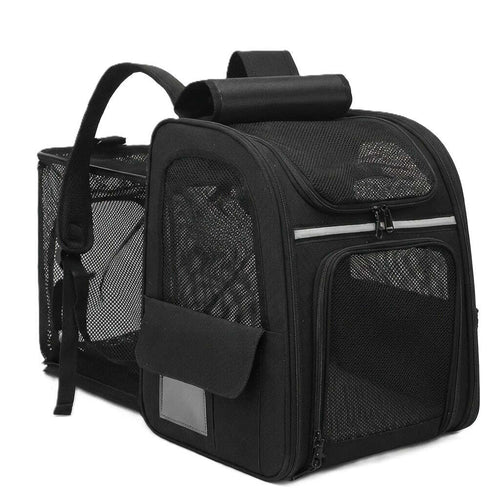
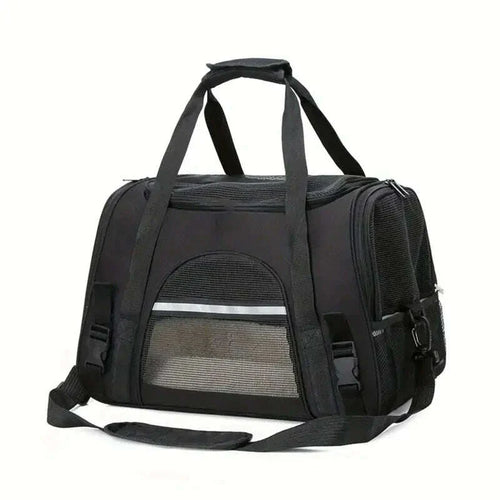
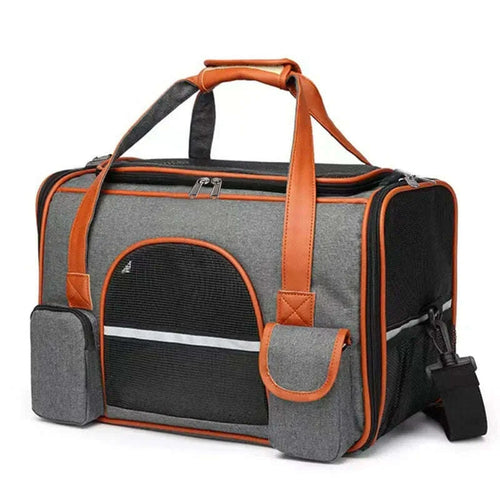
- XXL Cat Carrier — 45 × 25 × 28 cm, for vet visits — €79.99
See the whole collection → · Free delivery across France and Europe.
Ragdoll at a Glance
At a glance, the breed's key characteristics:
| Trait | Details |
|---|---|
| Origin | United States (California), 1960s |
| Size | Large cat: males 9 to 20 lbs, females 7 to 13 lbs |
| Life expectancy | 12 to 17 years |
| Coat | Medium-length, silky, colorpoint |
| Patterns | Colorpoint, mitted, bicolor |
| Eyes | Blue |
| Maturity | Slow: reaches full adult size around 3 to 4 years |
| Temperament | Extremely docile and affectionate, a true "rag doll" personality |
Ragdoll Health and Care
The Ragdoll is a sturdy breed, but its genetics call for vigilance around two hereditary conditions:
- Hypertrophic cardiomyopathy (HCM): the most common heart condition in the breed. Genetic screening and routine echocardiograms in breeding cats help limit its spread.
- Polycystic kidney disease (PKD): the formation of cysts in the kidneys. Here too, ask the breeder for lineage screening results.
As for grooming, the Ragdoll's medium-length coat doesn't mat easily but still deserves brushing 2 to 3 times a week (daily during shedding season). Its slow maturity (up to 4 years) means it needs a growth-formula diet for longer than most other breeds.
Kitting out a Ragdoll at home
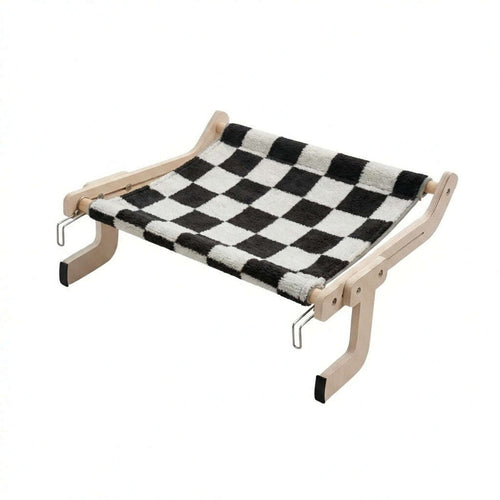
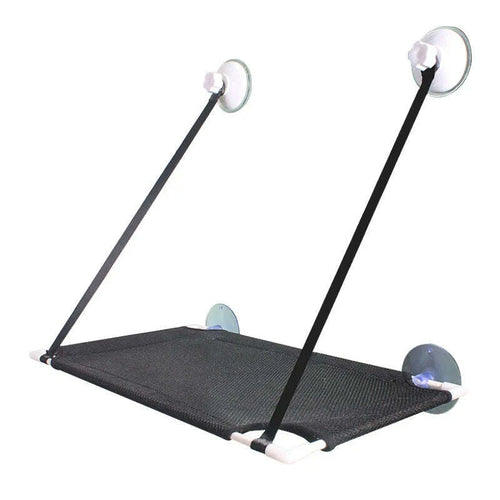
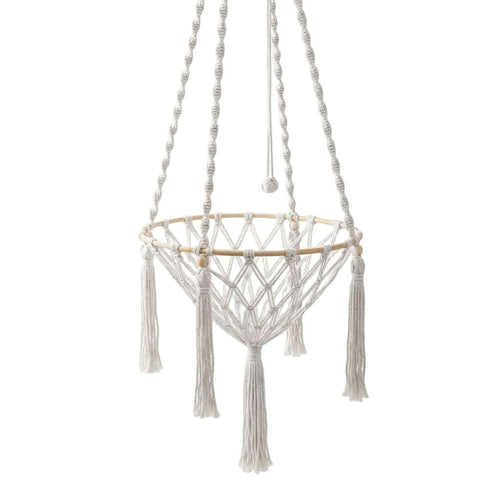
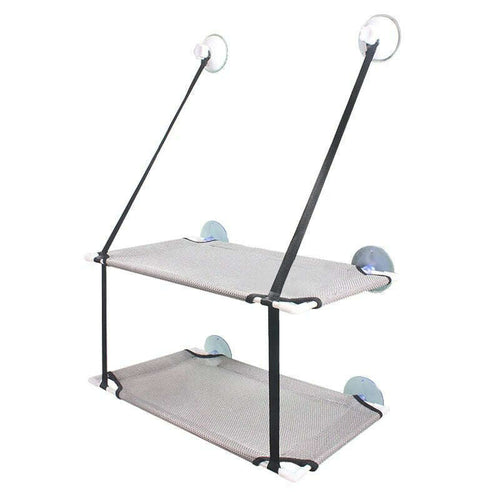
A big indoor cat, calm and always under your feet, needs three things: a stable high spot, a lookout and a bed in their size. Here is what it takes to build their territory.
📚 Sources and References
- TICA (The International Cat Association). Ragdoll Breed Standard. https://tica.org
- CFA (Cat Fanciers' Association). Ragdoll Breed Profile. https://cfa.org
- LOOF (French official cat registry). Ragdoll Breed Standard. https://loof.asso.fr
- International Cat Care. Ragdoll Cat Breed Profile. https://icatcare.org
- FIFé (International Cat Federation). Ragdoll Breed Standard. https://fifeweb.org
Frequently Asked Questions About the Ragdoll
-
The Ragdoll is famous for its sheer gentleness: it lets itself be picked up and handled with an almost unsettling calm, as if its muscles simply go limp. It's a true shadow that follows its human from room to room and craves constant company. Patient and tolerant, it generally gets along very well with children, older adults, and other pets.
-
A breeder-raised Ragdoll typically costs somewhere in the range of $900 to $2,000. That spread comes down to bloodline, the parents' pedigree, coat coloring, the breeder's reputation, and the health guarantees provided. Note that Le Félin doesn't sell cats; this information is shared purely as a general guide to help you get your bearings.
-
The Ragdoll is one of the largest domestic cat breeds: its body is long, sturdy, and solidly built, with powerful legs and a full, plush tail. Its medium-length, silky coat, less prone to tangling than that of other long-haired breeds, comes in several patterns: colorpoint, mitted, and bicolor. Its single most striking feature remains its gorgeous blue eyes, deep and expressive.
-
The Ragdoll makes an ideal family companion: deeply attached to its family, it welcomes visitors warmly and adapts easily to busy households. It generally coexists without any trouble with children, older adults, and other pets. That said, it doesn't tolerate prolonged solitude well and thrives best in a home with regular attention and human presence.


Your cat’s well-being, our number one priority
A French team that lives with cats, products chosen for their instincts (climbing, scratching, watching, hiding) and over 100 guides written to help you choose well.
- Free deliveryFrance and Europe, no minimum
- Secure paymentCard, Apple Pay, PayPal, Shop Pay
- 30-day returnsSatisfied or refunded
- Expert advice100+ guides and tutorials, support in France
Our Products