Scottish Fold Cats: Folded Ears, Health & Price

With its round little face, big eyes, and tiny ears folded forward, the Scottish Fold looks like a living plush toy. One glance and you're hooked: people often compare its expression to an owl, since its face radiates so much sweetness. But behind that irresistible face is an affectionate, easygoing, and deeply social companion, perfect for family life. Thinking about welcoming a Scottish Fold into your home? Discover its history, personality, appearance, price, and above all, how to give it a home that truly suits it.
Origins and History of the Scottish Fold
The Scottish Fold's story begins in Scotland, in 1961. That year, on a farm, a white female cat was born with such a distinctive look that she left a lasting impression: instead of standing upright, her ears folded gently forward. Her name was Susie, and she became the founding cat of the entire breed.
This quirk isn't a random fluke: it comes from a spontaneous genetic mutation affecting the cartilage. Instead of keeping the ear upright, this softened cartilage folds it over, giving the cat that unmistakable owl-like face. Susie passed the trait on to her offspring, and dedicated breeders soon set out to establish the trait while safeguarding the kittens' health.
The Scottish Fold actually owes its name to this dual identity: Scottish for its homeland, Fold for its signature ears. Over the decades, the breed has charmed cat lovers well beyond Britain to become one of the most recognizable cats in the world. Worth noting: not every kitten in a litter is born with folded ears. Some keep straight ears, known as "Scottish Straight," and they play an essential role in responsible breeding, since pairing two folded-ear cats together is not recommended for the kittens' health.
Scottish Fold: Personality and Temperament
The Scottish Fold doesn't win over so many hearts through looks alone. Above all, it's a cat with a gentle, easygoing, and sociable temperament. Far from the aloof-cat stereotype, it actively seeks out its humans' company and thrives in a calm, affectionate environment.
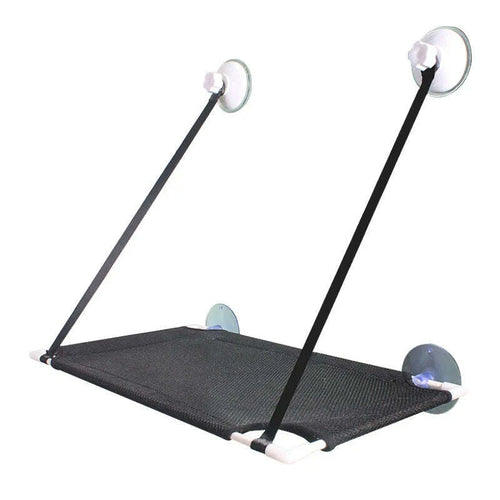
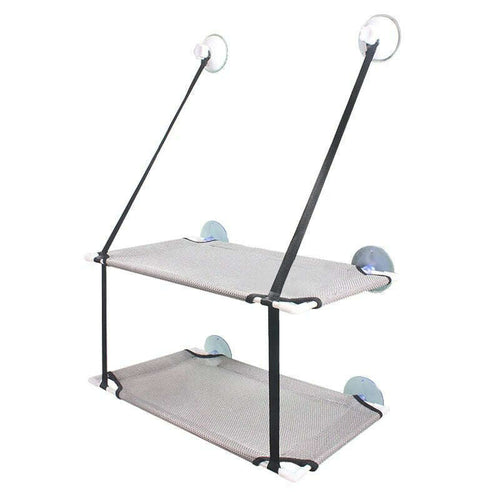
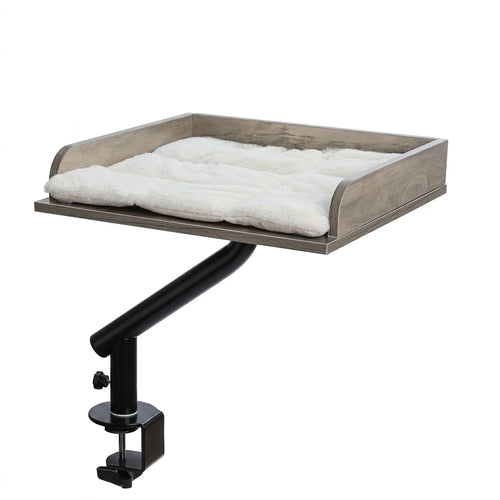
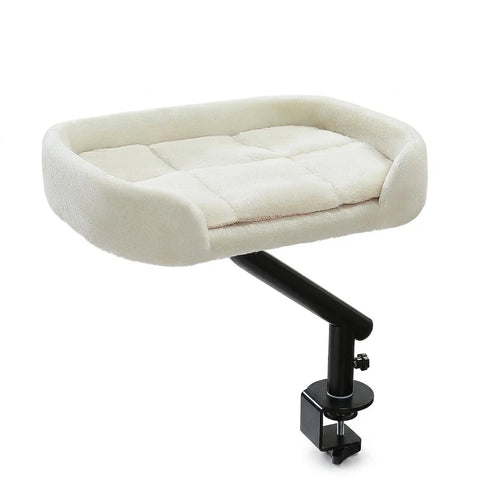
They like watching the household from a high spot: the Cat Window Perch gives them that lookout without using any floor space, available at €29.99, free delivery.
It's a well-balanced companion, neither hyperactive nor lazy. It loves to play, watch the household from its favorite perch, and then curl up against you for a long nap. Its natural placidity makes it an excellent apartment cat, and it usually adapts very well to children, other cats, or even calm-natured dogs.
The Scottish Fold is also known for how attached it gets: it happily follows its owner from room to room, not out of anxious dependence, but simply for the joy of sharing everyday life. It "talks" little and in a soft voice, preferring to show affection through its constant presence. A fun quirk: some sit in amusing poses, like the "Buddha" position balanced on their hindquarters, which only adds to their reputation as irresistibly endearing cats.
Scottish Fold: Size, Weight, and Appearance
The Scottish Fold is a medium-sized cat with a rounded, well-balanced body set on sturdy legs. Everything about it evokes roundness: a broad, well-defined head, full cheeks, and above all, large, round, expressive eyes that enhance its gentle look.
Its folded ears are obviously its signature feature, but their degree of fold varies from cat to cat, from a light single fold to a double, or even triple, fold that presses the ear flat against the skull. As for coat, the breed comes in two varieties: short hair, dense and plush, and medium-long hair (sometimes called Highland Fold), which is silkier. Coat colors and patterns are extremely varied, ranging from pure white to tabby, as well as blue, cream, or tortoiseshell shades.
With a life expectancy of 11 to 15 years, the Scottish Fold stays by its family's side for many years. Since the mutation behind its signature look affects cartilage, it's essential to choose a responsible breeder and stay attentive to its joint health throughout its life, with regular veterinary checkups.
Curious where your cat falls on the human age scale? Our cat age in human years calculator converts it in one click.
How Much Does a Scottish Fold Cost?
Prices for a Scottish Fold from a breeder typically run from about $1,000 to $2,200. This is a general market range, and it depends on several factors:
- Bloodline: a kitten from award-winning parents or intended for breeding will fall at the higher end of the range.
- Coat and color: rarer colors or patterns can push the price up.
- Breeding standards: a responsible breeder invests in veterinary care, health testing, microchipping, and socializing the kittens, all of which is reflected in the price.
- Pedigree and registration with an official cat breed registry, which guarantee traceability and compliance with the breed standard.
Be wary of listings well below this range: they often hide problematic breeding conditions. On that note, let's be clear: Le Félin does not sell cats. Our mission isn't to offer you an animal, but to equip the one you already have with accessories designed for its comfort and well-being.
Welcoming and Setting Up a Home for Your Scottish Fold
For a Scottish Fold to feel truly at home, how you set up its space matters just as much as the affection you give it. Here are some practical tips suited to its easygoing temperament:
- A cozy resting spot: this homebody loves long naps. Give it a soft, stable bed set in a quiet, slightly elevated spot so it can watch the room without being disturbed. Our padded cat beds are perfect for this comfort- and warmth-loving cat.
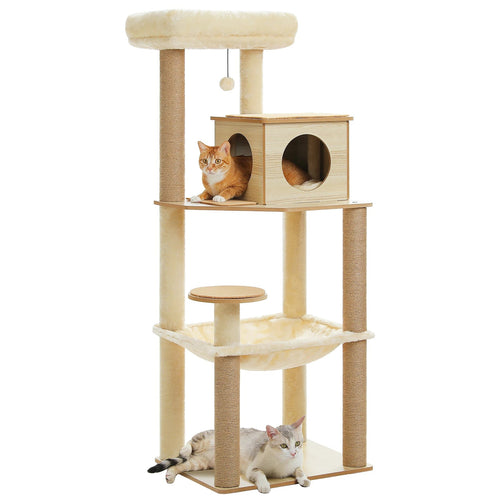
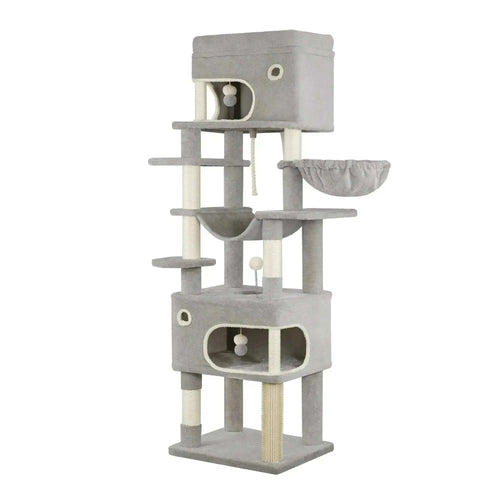
- A well-suited scratching post and cat tree: even a laid-back Scottish Fold needs to scratch and climb. Choose sturdy structures with wide, easy-to-reach platforms.
- A cat water fountain: to encourage good hydration, which is essential for kidney health, fresh running water will encourage it to drink more.
- Interactive toys: gentle doesn't mean inactive. Short daily play sessions help keep it physically fit and mentally balanced.
Also aim for a safe, predictable environment: this sensitive cat appreciates steady routines and spaces where it can retreat in peace.
With a history that began alongside Susie in 1961, an affectionate personality, and one-of-a-kind charm, the Scottish Fold has everything it takes to become an exceptional lifelong companion. If you enjoy discovering what makes each breed unique, keep exploring our cat breed family tree: you'll find plenty to feed your curiosity and, who knows, maybe even the cat that's just like you.
Related breeds to discover: American Curl and Ragdoll.
Equipping a Scottish Fold: our recommendations
The Scottish Fold is after warmth and quiet above all. A bed by the radiator, an enclosed cave or a high-rimmed basket suits it better than a big tree.
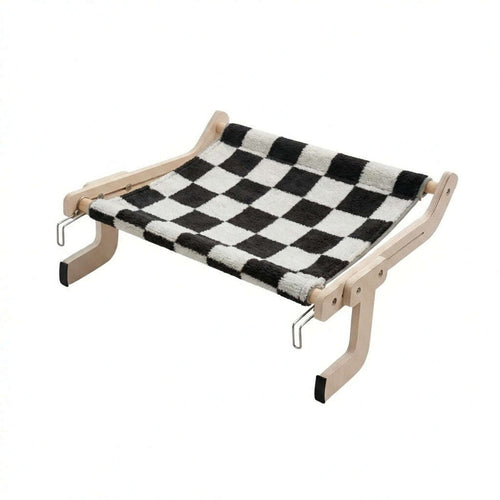
- Radiator Cat Bed — natural wood, hangs on the radiator without tools — €39.99
- Cat Cave — enclosed bed, 35 cm high, den effect — €44.99
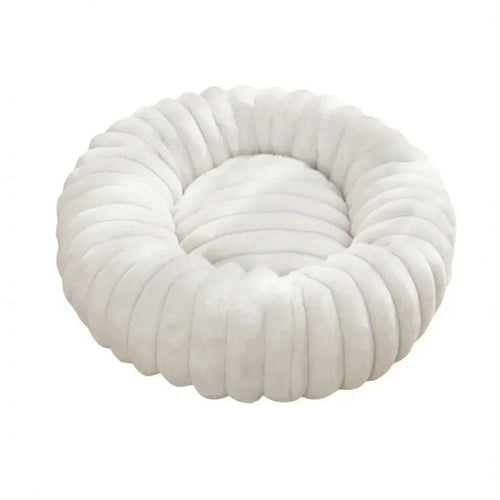
- White Cat Bed — ribbed plush fabric, high rims — €39.99
See the whole collection → · Free delivery across France and Europe.
Scottish Fold Fact File
The essentials on the Scottish Fold at a glance:
| Category | Details |
|---|---|
| Origin | Scotland, 1961 |
| Size | Male 9-13 lbs, female 5.5-9 lbs |
| Life expectancy | 13-20 years |
| Coat | Short (or medium-length "Highland"), dense |
| Temperament | Gentle, sociable, calm, affectionate |
| Special trait / health | The folded-ear gene causes painful osteochondrodysplasia in every cat that carries it: a controversial breeding practice, and the breed is not recognized in Europe |
| Average price | $950 to $2,150 |
Settling a Scottish Fold in at home
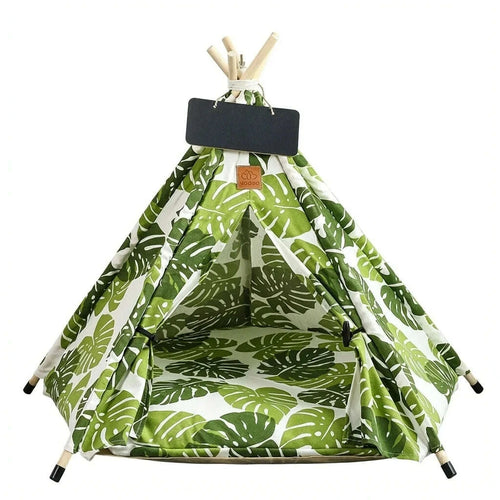
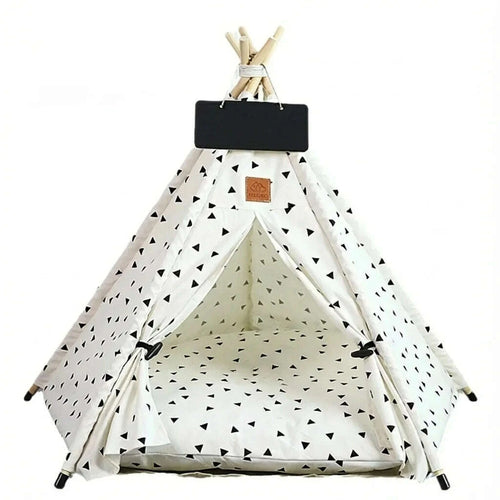
A gentle, home-loving cat whose joints need care mainly wants beds that are comfortable and easy to reach. Here are three safe bets for building their territory.
📚 Sources and References
- TICA (The International Cat Association). Scottish Fold — Breed Standard. tica.org
- CFA (Cat Fanciers' Association). Scottish Fold — Breed Profile. cfa.org
- LOOF (French Official Registry of Feline Origins). Scottish Fold — Breed Standard. loof.asso.fr
- International Cat Care. Scottish Fold — Breed Information and Cartilage Mutation Health Concerns. icatcare.org
- MSD Veterinary Manual. Feline Osteochondrodysplasia. msdvetmanual.com
Frequently Asked Questions About the Scottish Fold
-
The Scottish Fold is a gentle, easygoing, and sociable cat that actively seeks out its humans' company. It's neither hyperactive nor lazy: it loves to play, watch over the household from its perch, then curl up against you for a nap. It doesn't vocalize much and speaks in a soft voice, preferring to show its affection through its constant presence at your side.
-
A Scottish Fold from a breeder typically costs between $950 and $2,150 on average, depending on the bloodline and other factors specific to each breeder. Note that Le Félin is an informational site about cat breeds and does not sell cats.
-
The Scottish Fold is a medium-sized cat with a rounded body, a broad head, full cheeks, and large, expressive round eyes. Its signature feature remains its ears, folded forward, with the degree of fold varying from one cat to another. Its coat comes in two varieties, short-haired or medium-haired, across a wide range of patterns and colors.
-
Yes, the Scottish Fold is considered an excellent apartment cat thanks to its naturally easygoing nature. It generally gets along very well with children, other cats, or even calm-tempered dogs. It thrives in a calm, affectionate environment, and its life expectancy of 11 to 15 years makes it a loyal companion for the long haul.


Your cat’s well-being, our number one priority
A French team that lives with cats, products chosen for their instincts (climbing, scratching, watching, hiding) and over 100 guides written to help you choose well.
- Free deliveryFrance and Europe, no minimum
- Secure paymentCard, Apple Pay, PayPal, Shop Pay
- 30-day returnsSatisfied or refunded
- Expert advice100+ guides and tutorials, support in France
Our Products