Siberian Cat: Origin, Temperament, and Price

Nicknamed the "mini tiger of the taiga," the Siberian cat captivates with its majestic build, luxurious coat, and surprisingly gentle nature. Behind this gentle-eyed giant lies the national cat of Russia, a survivor of the frozen forests that has become one of the most sought-after companions in the world. Affectionate, playful, and known for being hypoallergenic, this breed wins over families and big-cat lovers alike. Let's get to know this exceptional breed.
Origins and History of the Siberian Cat
The Siberian is an ancient breed, deeply rooted in Russia's history. Traces of it appear in Russian folk tales, where it's portrayed as a sturdy cat watching over farms and monasteries. For centuries, it lived semi-wild in the harsh Siberian taiga, those vast conifer forests swept by bitter cold.
It's precisely this extreme environment that shaped the breed. Far from artificial selection, nature did the work: only the hardiest cats, with dense fur and a powerful build, survived. The Siberian is therefore the product of true natural selection, which explains its hardiness and robust health. Officially recognized as the national cat of Russia, it wasn't exported to the West until the late 20th century, after borders opened up. Since then, its popularity has kept growing, driven by its natural charm and its reputation for being well tolerated by some people with allergies.
Siberian Cat: Character and Temperament
While its physique commands respect, the Siberian reveals a remarkably gentle temperament. Above all, it's an affectionate and sociable cat, deeply attached to its family. It happily follows its humans from room to room, takes part in household life, and enjoys close moments together without ever becoming clingy. It's often described as a "balanced" cat: present, yet respectful of your peace and quiet.
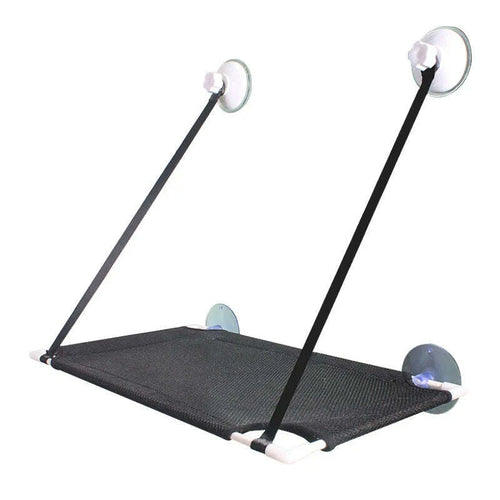
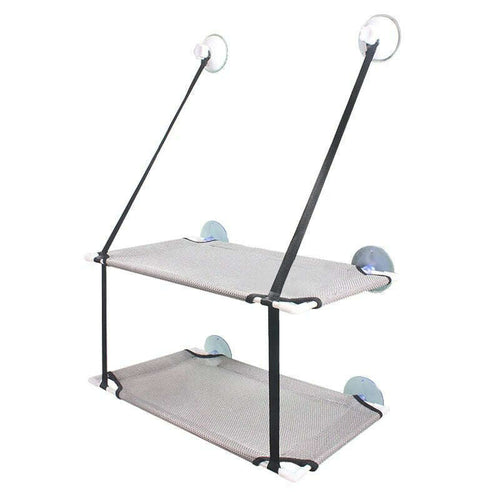
Curious about everything, they happily watch from above: the Cat Window Perch for Large Cats holds on the glass with reinforced suction cups, at €39.99, free delivery.
Quick and agile, it stays playful throughout its life. Climbing, jumping, exploring high places, and even fetching small objects are all part of its daily joys. Its curiosity and intelligence make it an easy cat to engage with interactive toys. Sociable with children and other pets alike, the Siberian adapts remarkably well to family life. Its soft voice, made up of trills and gentle chirps rather than insistent meowing, adds to its charm. Behind all that power lies a tender heart that craves closeness and warmth with its loved ones.
Siberian Cat: Size, Weight, and Appearance
The Siberian is a large cat with an impressively muscular build. Males can easily top 13 lb, sometimes more, while females tend to stay a bit lighter. Its body is compact and powerful, supported by sturdy legs ending in large paws, a legacy of its treks through the snow.
Its signature feature is, without a doubt, its long, triple-layered coat. This fur is made up of three layers: a dense, woolly undercoat, an insulating middle layer, and a waterproof topcoat. This natural armor lets it withstand temperatures as low as −22°F. The ruff around its neck, the full britches on its hind legs, and its bushy tail all add to its wild, noble look. Physical maturity comes slowly: a Siberian reaches full development around age five.
This cat is also known for being hypoallergenic, since it often produces less Fel d 1 protein, the main culprit behind cat allergies. That said, every cat is different, and anyone with sensitivities should spend time with one beforehand. Hardy and healthy, the Siberian boasts an impressive lifespan of 12 to 18 years.
To find out what those years mean for your cat, check out our cat age to human age chart.
Siberian Cat Price
Adopting a Siberian from a breeder is a real investment. The average market price generally ranges from $800 to $1,700. This range comes down to a few factors:
- Bloodline: a kitten from award-winning parents or intended for breeding will cost more than one meant purely as a companion.
- Coat and special traits: certain colors or the blue-eyed Neva Masquerade variety can affect the price.
- Breeder reputation: a registered, responsible breeder who guarantees health testing, vaccinations, microchipping, and proper kitten socialization justifies a higher price, and buys you peace of mind.
These figures are for reference only and reflect general market pricing, independent of our store. To be clear: Le Félin does not sell cats. Our job is to equip and pamper yours, with accessories designed for their well-being.
Welcoming and Equipping a Siberian Cat
Welcoming a Siberian means planning ahead for the needs of a large, active cat. Here are a few practical tips to get started:
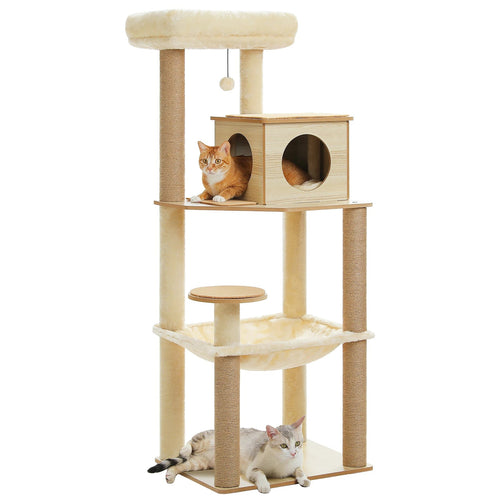
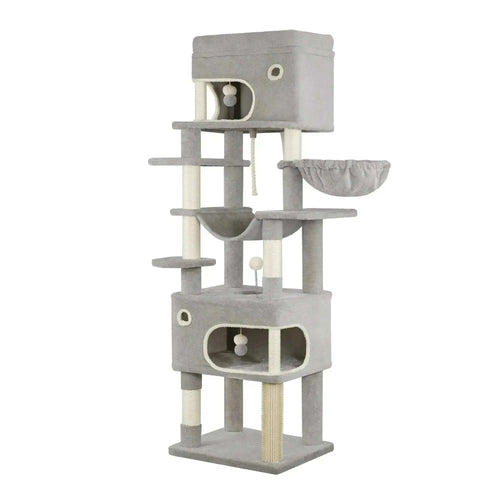
- Go big and sturdy: powerful and fond of climbing, the Siberian needs solid, substantial structures. One of our XXL cat trees designed for large breeds will give it platforms, perches, and scratching posts sized just right.
- Keep up with brushing: its triple coat needs regular grooming, two to three times a week, and more during shedding season, to prevent tangles and hairballs.
- Encourage hydration: a cat water fountain encourages this food-loving cat to drink enough, which is a real plus for kidney health.
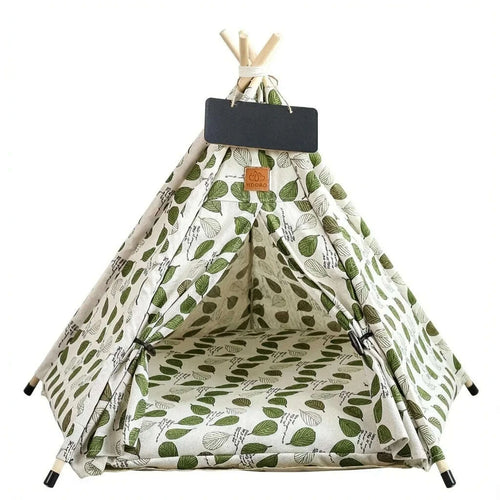
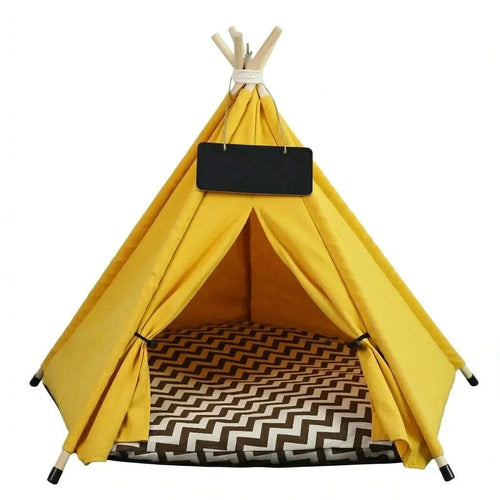
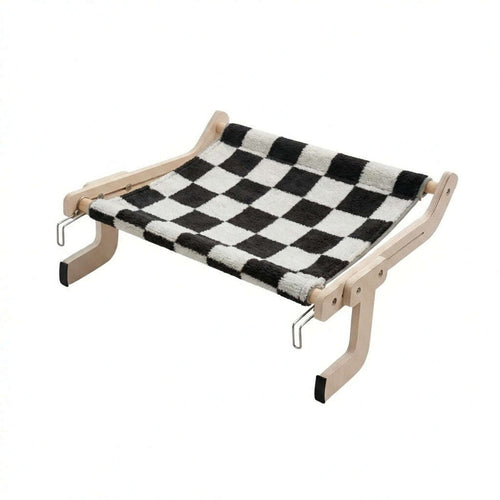
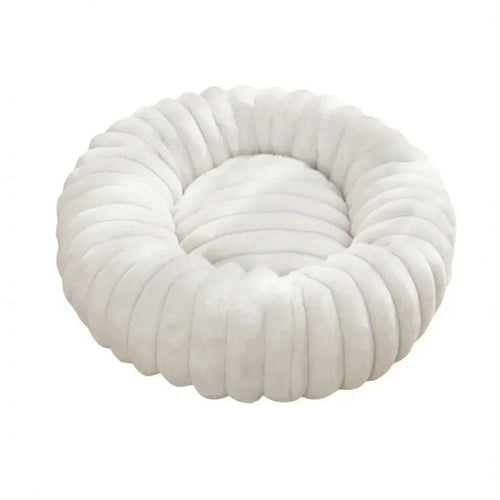
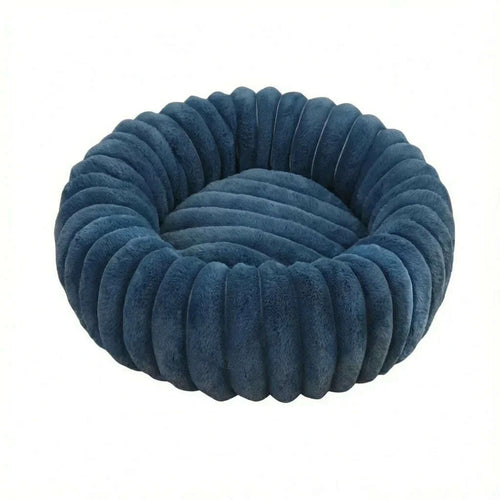
- Plan for spacious bedding: choose a cat bed sized to match its build so it can fully stretch out.
- Stimulate its mind: interactive toys, daily play sessions, and spaces to explore will help burn off its boundless energy.
Powerful, gentle, and deeply endearing, the Siberian is an exceptional companion that deserves an environment worthy of it. If this deep dive into the world of the taiga's feline has won you over, keep exploring and discover its cousins in our cat breed family tree. You'll find plenty to feed your passion there, and maybe even spot the perfect companion for your home.
Equipping a Siberian: our recommendations
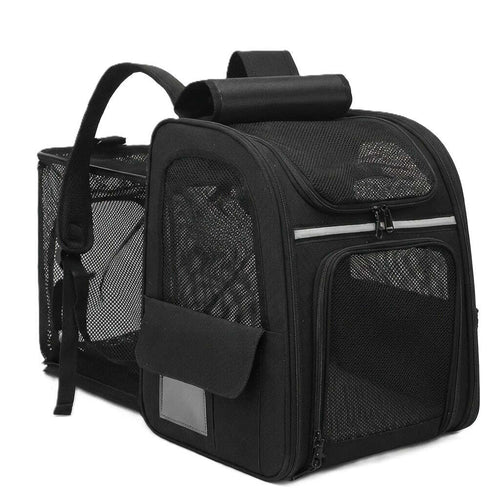
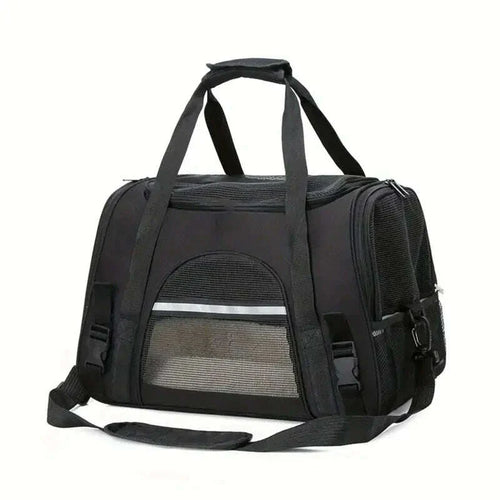
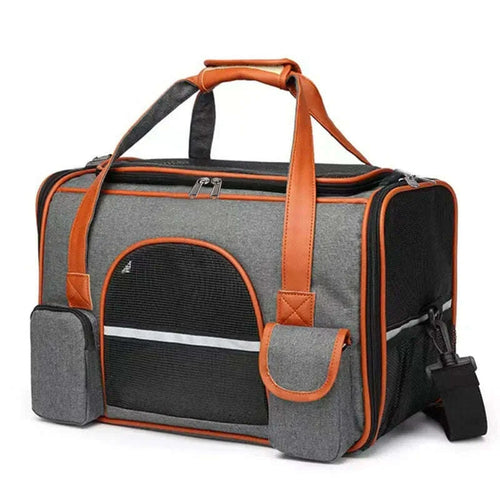
An adult Siberian is heavy and lands hard. Choose a cat tree with a wide base and a load rating well above its weight, plus an XXL carrier for trips out.
- XXL Cat Tree for Maine Coon Cats — 185 cm tall, 53 × 42 cm base, rated for 60 kg — €139.99
- Sturdy Cat Tree for Maine Coon Cats — 170 cm, reinforced structure for heavy cats — €219.99
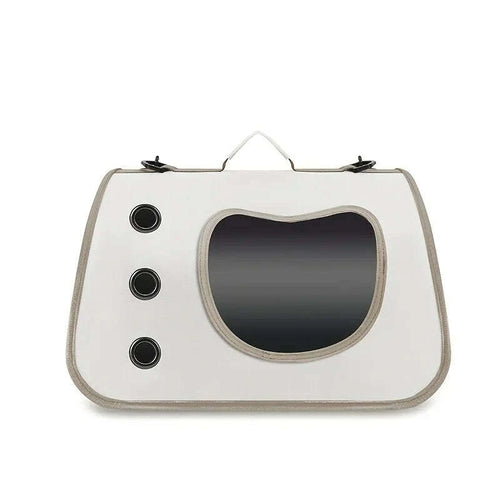
- XXL Cat Carrier — 45 × 25 × 28 cm, for vet visits — €79.99
See the whole collection → · Free delivery across France and Europe.
Siberian Cat Fact Sheet
The essentials on the Siberian at a glance:
| Trait | Details |
|---|---|
| Origin | Russia (Siberia), ancient natural breed |
| Size | Male 13-20 lb, female 9-13 lb |
| Lifespan | 12-18 years |
| Coat | Medium-long to long, waterproof triple layer |
| Temperament | Affectionate, hardy, playful, and sociable |
| Special trait / health | Known to be less allergenic (low Fel d1); predisposed to HCM |
| Estimated price | $800-$1,700 |
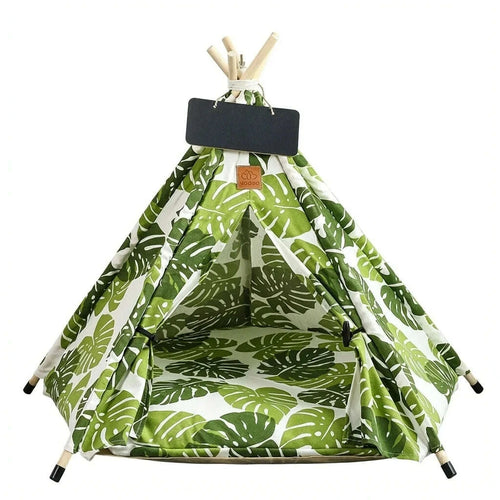
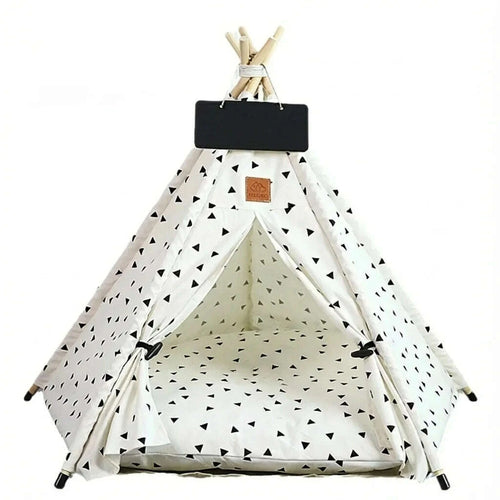
A territory to match the Siberian
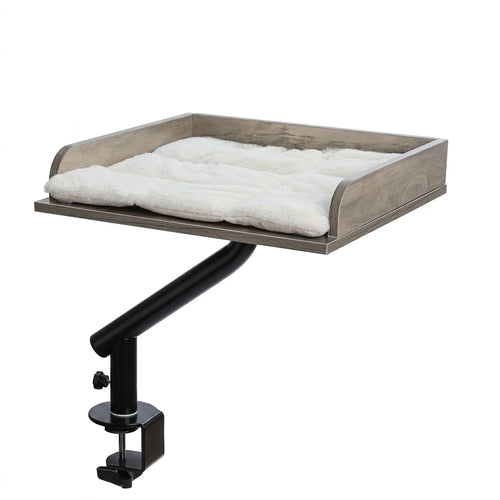
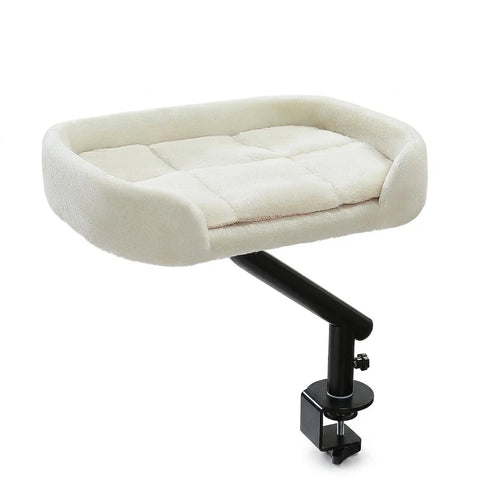
Powerful, playful and attached to their family, the Siberian thrives in a home that leaves them room to climb, scratch and sleep in peace. Here is how to set up their corner, from bed to perch.
📚 Sources and References
- LOOF (French Official Cat Studbook). Breed standard — Siberian. https://loof.asso.fr
- FIFe (International Cat Federation). Breed standard — Siberian (SIB). https://fifeweb.org
- TICA (The International Cat Association). Siberian Breed Standard. https://tica.org
- CFA (Cat Fanciers' Association). Breed profile — Siberian. https://cfa.org
- International Cat Care. Siberian cat breed guide. https://icatcare.org
Frequently Asked Questions About the Siberian
-
The Siberian is an affectionate, sociable cat that bonds deeply with its family, happily following them from room to room without ever becoming clingy. Playful and energetic throughout its life, it loves climbing, jumping, and interactive games, thanks to its natural curiosity and intelligence. Its soft voice, full of trills and chirps, rounds out a temperament often described as perfectly balanced.
-
Adopting a Siberian from a breeder typically costs between $800 and $1,700. The price varies depending on the bloodline, coat, variety (such as the blue-eyed Neva Masquerade), and how reputable the breeder is, since serious breeders provide health testing, vaccinations, and socialization. Please note that Le Félin doesn't sell cats and can't refer you to a breeder.
-
The Siberian is a large, powerfully built cat: males can weigh over 13 pounds, with a compact body supported by broad paws built for walking on snow. Its most striking feature is its long, triple coat, made up of a woolly undercoat, an insulating middle layer, and a water-resistant guard coat that holds up to temperatures as low as -22°F (-30°C). The ruff around the neck, full britches, and bushy tail give it a look that's both wild and noble, and it doesn't reach full physical maturity until age five.
-
Yes, the Siberian adapts remarkably well to family life: it's sociable with both children and other pets. Its balanced temperament lets it be warm and present while still respecting its humans' downtime. Often considered hypoallergenic because it tends to produce less Fel d 1 protein, it can work well for some allergy sufferers, though spending time with one beforehand is still recommended since every cat is different.
Related breeds to explore: Norwegian Forest Cat and Maine Coon.


Your cat’s well-being, our number one priority
A French team that lives with cats, products chosen for their instincts (climbing, scratching, watching, hiding) and over 100 guides written to help you choose well.
- Free deliveryFrance and Europe, no minimum
- Secure paymentCard, Apple Pay, PayPal, Shop Pay
- 30-day returnsSatisfied or refunded
- Expert advice100+ guides and tutorials, support in France
Our Products