How to Litter Train a Kitten (Without the Accidents)

Litter training a kitten means helping them adopt lasting litter box habits from their very first weeks. This process relies on a suitable environment, consistent routines, and a good understanding of natural feline behavior, all to help prevent urine accidents around the house.
Why Is My Cat Peeing All Over the House?
When a cat urinates outside the litter box, this behavior should never be ignored. In kittens and adult cats alike, inappropriate urination can stem from incomplete litter training, a source of stress, territorial marking, or an underlying medical issue.
A kitten without a corner of its own is quickly overwhelmed: the donut-shaped Gray Cat Bed gives them high rims to curl up against, at €39.99, free delivery.
A poorly placed litter box, dirty litter, or a noisy environment can be enough to discourage its use. According to the French Veterinary Board, any sudden change in urinary behavior should also prompt a check for a urinary infection or pain.
Stress, Urinary Infection, or Territorial Marking?
Stress is one of the most common causes of litter box problems. An anxious cat may urinate to self-soothe, often on surfaces that carry familiar scents, like rugs or couches. Territorial marking, on the other hand, usually shows up as small amounts of urine sprayed vertically.
Urinary tract infections or bladder inflammation can also cause repeated, uncontrolled urination. If the behavior appears suddenly or gets worse, a vet visit is essential.
A Calming Cat Bed to Ease Urinary Stress
A stressed cat needs clearly defined resting spots to feel safe. Not having a personal space of their own can make urinary issues worse, especially in kittens who are sensitive to their surroundings.
Setting up a calm corner with a comfortable, reassuring cat bed helps a kitten relax, manage stress better, and cut down on out-of-litter-box accidents. To mix up shapes and placements, the full collection of cat beds offers plenty of options to suit any home.

How to Remove Cat Urine Odor from a Couch
Cat urine odor is notoriously stubborn, especially once it soaks into fabric. If it isn't removed properly, it encourages the cat to urinate in the same spot again, creating a vicious cycle that's hard to break.
That's why it's essential to act fast and use the right methods to neutralize the odor without setting the urine molecules deeper into the fibers.
Natural Tricks: Baking Soda and White Vinegar
Baking soda is well known for its absorbent properties, while white vinegar helps neutralize urine odors. After blotting up the urine, applying diluted vinegar, letting it dry completely, and then sprinkling on baking soda can work well on fresh accidents.
That said, these solutions have their limits when the odor is old or deeply set into the couch.
Protect Your Furniture with a Cat House
A cat without a proper space of their own may turn their attention to furniture, couches especially. Giving them a dedicated refuge helps curb this kind of behavior.
For example, an enclosed, cozy cat house creates a true cocoon where a cat can rest, feel protected, and be less likely to have urine accidents on your furniture.

Effective Indoor Cat Repellent
Cat repellents are often used to keep cats out of certain areas of the house. That said, they need to be used with judgment so they don't increase stress or create new unwanted behaviors.
An effective indoor repellent should be non-toxic, used sparingly, and always paired with positive alternatives.
Which Scents Safely Keep Cats Away?
Cats are naturally sensitive to certain scents, like citrus or vinegar. These can be used in specific spots to discourage access to a particular area, safely, as long as they're properly diluted.
Even so, it's important not to overdo it: too much scent can actually heighten a cat's anxiety.
Redirect Their Attention with a Stylish Cat Tree
Rather than piling on off-limits zones, it's often more effective to offer an appealing alternative. Cats need to climb, observe, and burn energy to stay balanced.
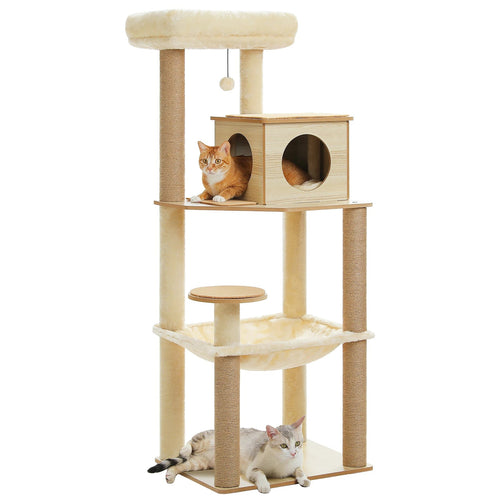
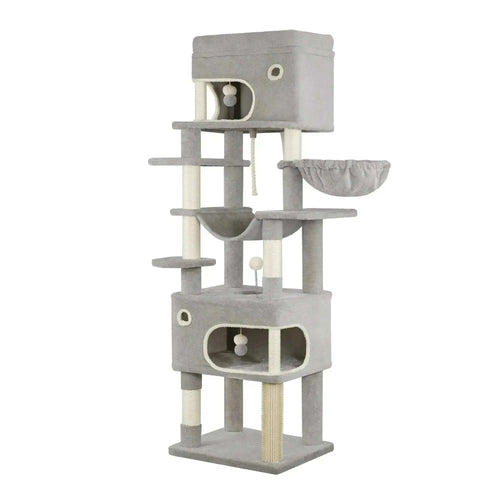
A stylish wooden cat tree helps redirect attention away from off-limits areas, channels a kitten's energy, and reduces behaviors linked to boredom or stress.
How Many Litter Boxes for 2 Cats?
The number of litter boxes is key to good litter habits, especially in a multi-cat household. Too few litter boxes can lead to stress, conflict, and urine accidents.
Every cat should be able to reach a clean litter box without hassle or feeling intimidated.
The Golden Rule for Litter Boxes per Cat
The generally recommended rule is simple: one litter box per cat, plus one extra. So for two cats, you should have at least three litter boxes, spread out in different spots around the house.
This setup reduces territorial pressure and encourages regular litter box use.
Stress-Free Trips to the Litter Box
For kittens or anxious cats, getting to the litter box needs to be simple and stress-free. A cluttered environment or stressful trips can discourage litter box use.
Keeping a clear, easy path and, if needed, using suitable solutions from the cat carrier collection helps reduce stress and make getting around the house safer.

If your cat still keeps going outside the box despite all this, figure out the cause: my cat pees everywhere.
Setting up for lasting toilet training
A kitten’s toilet training depends as much on routine as on its environment. A reassuring bed, a hiding place and a calm trip to the tray settle most accidents.
📚 Sources and References
- International Cat Care. Feline health and behaviour resources. https://icatcare.org
- Cornell Feline Health Center. Feline health resources. https://vet.cornell.edu
- MSD Veterinary Manual. Veterinary reference manual, feline behavior section. https://msdvetmanual.com
- Turner, D.C. & Bateson, P. (Eds.). The Domestic Cat: The Biology of its Behaviour. Cambridge University Press.
- Bradshaw, J. (2013). Cat Sense.
FAQ: Cat Litter Training and Urine Issues
-
Kittens typically become litter trained between 4 and 8 weeks old, as long as they have access to a suitable litter box placed in a quiet spot. The learning process can take longer if the kitten is stressed or dealing with a change in environment.
-
No, punishment doesn't work and can actually make the problem worse. It raises the cat's stress levels and reinforces the unwanted behavior. It's better to identify the root cause and adjust the environment instead.
-
This behavior can be tied to stress, territorial marking, or an underlying medical issue. Fabric surfaces hold onto odors and can draw a cat back to the spot if it's feeling anxious or threatened.
-
Citrus scents or diluted white vinegar can work as temporary repellents. Use them sparingly, and never as the only fix for a litter box problem.
-
The timeline depends on what's causing the problem. With the right environment and consistent follow-through, you can typically expect to see improvement within a few days to a few weeks.


Your cat’s well-being, our number one priority
A French team that lives with cats, products chosen for their instincts (climbing, scratching, watching, hiding) and over 100 guides written to help you choose well.
- Free deliveryFrance and Europe, no minimum
- Secure paymentCard, Apple Pay, PayPal, Shop Pay
- 30-day returnsSatisfied or refunded
- Expert advice100+ guides and tutorials, support in France
Our Products