My Cat Is Peeing Everywhere: Why & What to Do

A cat peeing everywhere is almost always a sign of a problem: a urinary issue (cystitis, bladder stones), the wrong litter box setup, stress, or territorial marking. A vet visit is the essential first step to rule out a medical cause, which is common and sometimes urgent. Once health is confirmed, the fix comes down to the litter box, the environment, and stress.
My Cat Is Peeing Everywhere: Why and What to Do
When a cat starts avoiding the litter box, the first reaction is often frustration, quickly followed by the question: why is my cat peeing everywhere? The answer calls for some detective work. It's crucial to tell apart two very different behaviors: classic inappropriate elimination (the cat squats and empties its bladder on a horizontal surface like the floor or a rug) and urine marking (the cat stands upright, tail quivering, and sprays a horizontal jet of urine onto a vertical surface like a wall or piece of furniture).
While inappropriate elimination is often tied to litter box management or a health issue (cystitis, bladder stones), marking is a form of territorial or sexual communication. Either way, scolding your cat is the worst thing you can do. It raises their stress level and, in turn, their instinctive need to "secure" their environment... by peeing even more to reapply their familiar scent.
Why Is My Cat Peeing on My Bed?
It's a classic, particularly unpleasant scenario: you go to bed and discover your comforter has been soiled. Why the bed? For your cat, your bed is the spot in the house that carries the most of your scent. It's a true, reassuring scent hub for them.
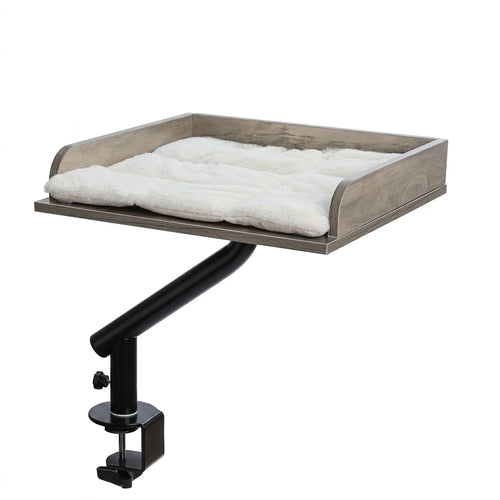
Want to give it a bed it will prefer to yours? The Fluffy Cat Bed wraps it in its high, padded sides, at €29.99, free delivery.
When a cat is anxious or stressed (a change in routine, an extended absence, a conflict with another pet), they try to blend their scent with yours to create a shared safe zone. Peeing on your bed isn't payback for a weekend trip, it's a clumsy attempt at self-soothing by "merging" familiar scents. On top of that, the bed is elevated (a strategic lookout spot) and the surface is absorbent, which keeps splashes off their paws (cats hate that).
To redirect this behavior without upsetting your cat, temporarily limit access to the bedroom and offer very comfortable sleeping alternatives in the living areas. Giving them a plush cat bed with raised edges lets them feel wrapped up and secure, like a cocoon, which reduces their need to mark your sleeping space.

My Cat Suddenly Started Peeing Everywhere
If your cat has always been litter-trained and suddenly starts urinating outside the box, this is a true veterinary emergency. In 70% of sudden house-soiling cases, the cause is medical, not behavioral. Cats are unfortunately very prone to urinary problems: idiopathic cystitis (bladder inflammation triggered by stress), and crystals or stones that block the urethra.
These conditions are extremely painful, comparable to kidney stones in humans. The cat links the pain of urinating to where it's happening: the litter box. In their mind, it's "ouch, this box hurts me, I'll try somewhere else." So they look for soft, cool surfaces (a bathtub, tile floor, laundry) hoping to urinate without pain. If you notice blood in the urine, your cat crying while trying to pee, or very frequent trips to the box for just a few drops, get to the vet right away.
Once the medical cause is treated, litter training sometimes has to be relearned, since aversion to the box can linger for a while due to "pain memory," as explained in the clinical resources from Santé Vet on feline urinary disorders.
What's the Best Repellent to Stop a Cat From Peeing?
To stop a cat from returning to pee in the same spot (since the smell of urine attracts more urine), cleaning is the key step. NEVER use bleach. The ammonia smell in bleach chemically resembles urine to a cat, which will prompt them to cover that scent with their own... by peeing on it again.
Go with enzymatic cleaners that "eat" urine molecules, or white vinegar mixed with sparkling water. Once the area is clean and dry, you can use natural repellents:
- Citrus peels: Cats hate the smell of lemon and orange.
- Black pepper: Sprinkling a little pepper on the area (careful with delicate rugs) can discourage sniffing.
- Aluminum foil: Place a sheet on the couch or bed when you're not around. The noise and cold texture are very unpleasant on paw pads.
That said, the best "repellent" is really making the litter area more appealing. To clearly define that zone and trap stray litter grains that could bother a fussy cat, placing a honeycomb cat mat in front of the box is an excellent solution. It keeps the area clean and visually marks out the hygiene space.

Why Is My Cat Pooping on the Floor?
Defecating outside the litter box, a behavior called "middening," is often a separate issue from urination. If your cat pees in the box but leaves solid waste right next to it, that's a very clear message about the cleanliness or comfort of their bathroom setup.
1. How Clean the Box Is
Cats are fastidiously clean animals. If the litter box already has waste in it, some cats flatly refuse to set foot in it again. The golden rule is to scoop clumps daily and fully change out the litter on a regular basis.
2. Box Type and Privacy
It's a common dilemma: you want to hide the litter box for the sake of aesthetics, but your cat wants to keep an eye on their surroundings while they're vulnerable. Many cats dislike classic enclosed litter box enclosures, where they feel trapped and odors linger.
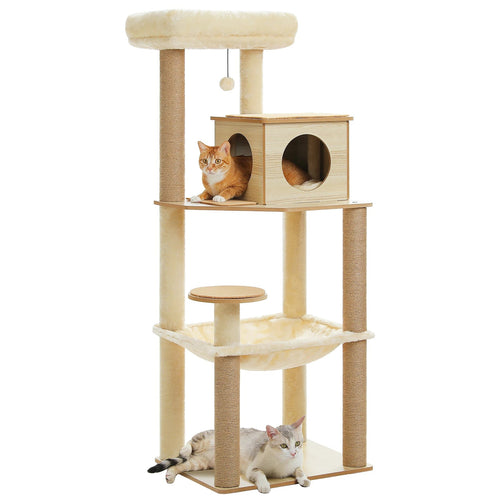
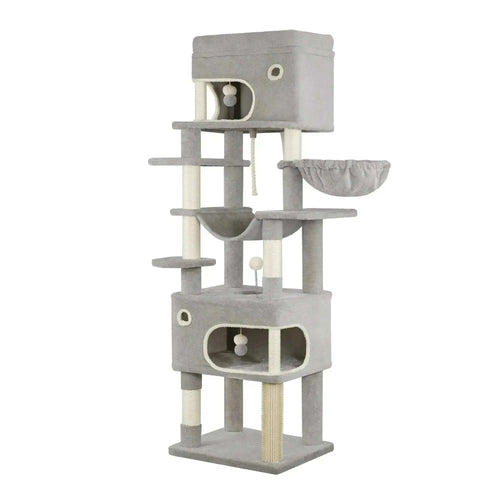
These days there are brilliant hybrid solutions that combine the need for height, territory, and privacy. Our cat tree with litter box is the perfect answer to this problem. It offers a hidden but ventilated box down below and a lookout spot up top. That way, the cat can mark their territory in a positive way (scratching, resting up high) in the very same spot where they do their business, which reinforces their sense of territorial security.
3. Joint Pain
For an older cat or one with arthritis, stepping over the high rim of a standard litter box enclosure can be painful. They may prefer to relieve themselves on the bathmat instead, since it's easier to reach. In that case, choose a box with low sides.

How to Stop a Cat From Peeing Everywhere
To solve the problem for good, you need to apply the mathematical "N+1" rule and rethink how your home's territory is organized.
The N+1 rule: Behaviorists recommend having as many litter boxes as you have cats, plus one. For a single cat, two boxes are ideal. Why? In the wild, cats don't relieve themselves in the same spot (urine and feces are often kept separate so they don't over-mark the area). Plus, if one box is dirty, your cat has an immediate backup option.
Strategic placement: Don't tuck the litter box away in a dark, noisy spot (next to the washing machine mid-spin cycle) or a dead end (at the back of the bathroom). Your cat needs to be able to get in and out without getting cornered by another pet or a child. And most importantly, keep the litter box well away from its water and food bowl. Nobody likes eating next to the bathroom, and your cat doesn't either. Keep the zones separate: resting, eating, and elimination.
If accidents persist despite a clean bill of health and a spotless litter box, consult a specialist. Chronic anxiety sometimes calls for guided behavioral therapy, as recommended by the French Association of Companion Animal Veterinarians.
For kittens, it all starts with litter training.
Reorganising its territory to restore clean habits
The N+1 rule is not enough if the cat has neither a resting spot nor a lookout of its own. A well-mapped territory, with reassuring beds and height to occupy, often eases the stress behind the accidents.
📚 Sources and References
- Cornell Feline Health Center. Feline Lower Urinary Tract Disease. https://vet.cornell.edu
- International Cat Care. Litter tray problems. https://icatcare.org
- Turner, D.C. & Bateson, P. (eds.). The Domestic Cat: The Biology of its Behaviour. Cambridge University Press.
- Bradshaw, J. (2013). Cat Sense. Basic Books.
FAQ: My Cat Is Peeing Everywhere
-
No, anthropomorphizing is a trap. Jealousy is a human concept. Cats react to changes in their environment and resources. A new person moving in disrupts their routine and their sense of smell, which creates stress, and stress leads to marking as a way to self-soothe.
-
If the issue is sexual marking (strong-smelling urine, horizontal spraying), then yes, spaying or neutering resolves the problem in 90% of cases, especially in unneutered males, by removing the hormonal surge behind it.
-
Absolutely never! It's a cruel method and completely ineffective. Your cat won't connect it to something it did earlier and will instead see you as a physical threat, which only increases anxiety and... the accidents.
-
It's often a sign that the litter itself doesn't suit them (too dirty, an unpleasant texture underfoot) or that the box is too small. They're instinctively trying to cover their waste without touching litter they consider dirty.
-
Yes. A cat that's very attached to its owner may urinate on worn clothing or the bed while they're away to "find" its owner through the mix of scents and feel comforted during the alone time.


Your cat’s well-being, our number one priority
A French team that lives with cats, products chosen for their instincts (climbing, scratching, watching, hiding) and over 100 guides written to help you choose well.
- Free deliveryFrance and Europe, no minimum
- Secure paymentCard, Apple Pay, PayPal, Shop Pay
- 30-day returnsSatisfied or refunded
- Expert advice100+ guides and tutorials, support in France
Our Products