How to Choose the Right Cat House for Your Feline

Choosing a cat house depends on your feline's size, temperament, available space, and the materials used. A good cat house should offer comfort, insulation, stability, and a reassuring space while blending seamlessly into your home. It should also match your cat's habits, whether they prefer an enclosed hideaway or a more open, observation-friendly spot.
What size cat house should you get?
The size of a cat house plays a key role in your cat's comfort and safety. A house that's too small will restrict movement and cause stress, while an oversized model can undermine the sense of shelter many cats are looking for.
For a first hideaway with no risk of picking the wrong size, the Indoor Cat House comes in 3 sizes and 3 fleece designs, available at €29.99, free delivery.
Choosing the right height and width
A well-suited house should let the cat lie down, stretch a little, and turn around without difficulty. For a standard-sized adult cat, an interior width of roughly 14 to 18 inches is a comfortable baseline. Larger breeds like the Maine Coon need more room, with wider dimensions and reinforced openings. Before buying, it's a good idea to measure your cat's length while stretched out to avoid a model that's too cramped. For an option that's both stylish and functional, you might consider a designer cat house sized to fit your cat.
Factoring in weight and build
Weight affects the stability and structure of the house. Heavier or more muscular cats need a solid base and a sturdy build to prevent any sagging. Models with thicker walls, dense cushions, and reinforced platforms hold up better and feel more secure over the long run.
Multiple cats: do you need a bigger house?
If several cats share your home, it's best to choose a multi-compartment house or set up several separate shelters to ease territorial tension. Multi-zone models give each cat their own space, which helps everyone get along more peacefully. To meet the needs of all your companions, browse our cat house collection and put together several shelters suited to your household.

Where should you put your cat's house?
Placement directly affects how much your cat actually uses their house. The wrong spot can lead to a cat that refuses to use it at all, while a calm, well-chosen location boosts their sense of security and makes them more likely to nap there regularly.
A quiet spot, away from high-traffic areas
Cats look for stable, quiet, secure spots. Setting up their house in a busy hallway or near the front door risks disrupting their sleep. A living room corner, a bedroom, or a slightly elevated nook are all solid choices. Similar guidance on the need for security and protected rest areas comes from Cat Friendly, which emphasizes the importance of calm, predictable spaces.
Avoiding drafts and humidity
A house placed too close to an open window, a radiator, or a cold spot can create thermal discomfort. Choose a temperate location, away from sudden temperature swings, to protect your cat's sleep quality and joint health.
Height and vantage points
Some cats like to watch their surroundings from up high. Placing the house on a sturdy piece of furniture or near a shelf can make it more appealing. That said, it needs to stay easily accessible, especially for kittens, senior cats, or cats with mobility issues. A comfortable cat window perch can also make a great vantage point without taking up floor space.

What material is best for a cat house?
Material choice affects durability, thermal comfort, and hygiene. Each material offers its own advantages depending on the season, your interior style, and your pet's habits.
Fabric or felt cat houses
Fabric, felt, or wool models are soft, insulating, and popular with cats who love to snuggle in. They create a reassuring, cocoon-like feel. That said, they need regular upkeep, particularly to keep fur buildup and odors under control. An enzymatic cleaner is recommended to break down the molecules behind lingering odors, especially on textiles and padded cushions.
Wooden cat houses
Wood is especially sturdy and attractive, while offering excellent stability. It suits heavier cats and design-forward models built to match your decor. Varnished or treated wood better resists scratching and extends the furniture's lifespan.
Plastic and composite materials
Plastic or composite houses are easy to clean, lightweight, and well suited to damp environments. They're often preferred for outdoor or patio use. That said, check the interior ventilation to avoid condensation or overheating in summer. In its guidance on indoor environments for cats, the RSPCA notes that temperature and air quality directly affect a cat's day-to-day comfort.
How do you get a cat used to their house?
Some cats take to their new house right away, while others need time to adjust. A gradual introduction, paced to the cat's comfort, encourages them to make it their own naturally and for the long term.
Let the cat explore at their own pace
Don't force your cat into the house. Place it somewhere familiar, add a blanket or cushion carrying their scent, and let them explore freely. This approach reassures the cat and cuts down on avoidance behavior.
Reinforcing the positive experience
Treats, toys, or a bit of playtime nearby can strengthen the positive association with the house. Gentle, non-intrusive rewards help build trust. Similar environmental enrichment principles are described by Chats du Quercy, which highlights the importance of offering secure spaces suited to a cat's needs.
When should you consult a behaviorist?
If your cat consistently refuses to use the house despite good placement and a gradual approach, a consultation with a veterinarian or behaviorist can help identify underlying anxiety or physical discomfort.

How do you clean a cat bed?
Regular upkeep plays a key role in how long the house lasts and how comfortable your cat feels in it. Proper hygiene cuts down on odors and bacteria and extends the life of the materials.
Recommended cleaning frequency
Cushions and textiles should ideally be washed every two to four weeks, depending on shedding and how much the house gets used. Wood or plastic structures can be wiped down with a soft cloth and a gentle, non-irritating product to avoid excessive chemical exposure.
Keeping comfort intact over time
Replacing worn cushions, checking stability, and tightening fasteners all help maintain a safe environment. A well-kept house stays more appealing to your cat and lowers the risk that they'll stop using it to sleep.
Durability and buying responsibly
Choosing quality, repairable materials helps cut down on premature furniture replacement. A thoughtful purchase built for longevity is a smarter investment and supports more responsible consumption.

For bigger cats, also consider the XXL cat bed.
Beyond sleeping needs, find out why you should buy a cat tree.
Putting together your cat’s ideal hideaway
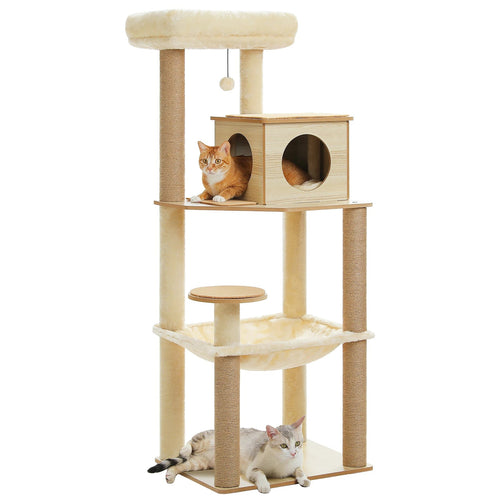
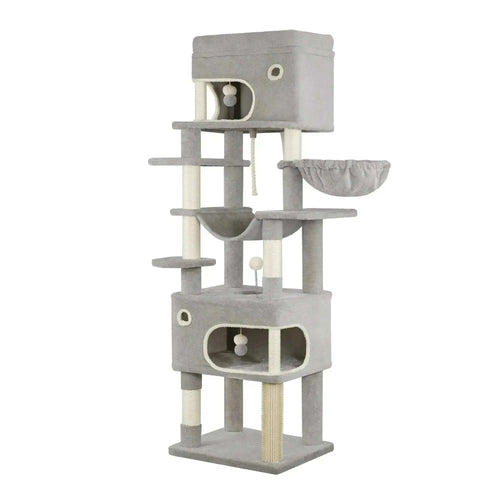
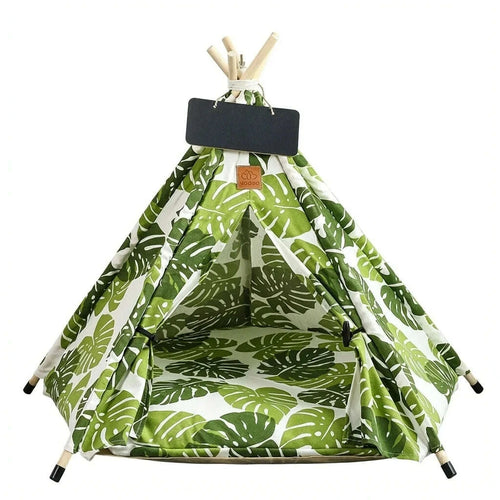
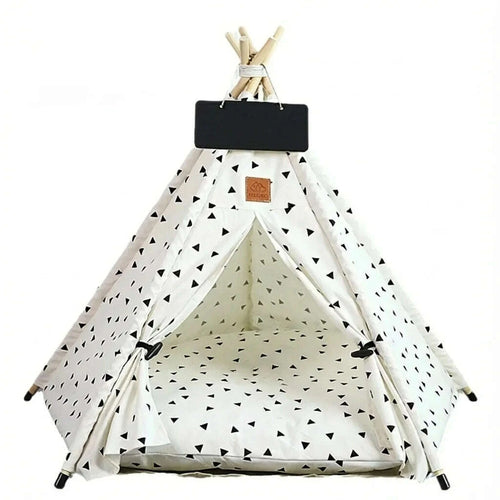
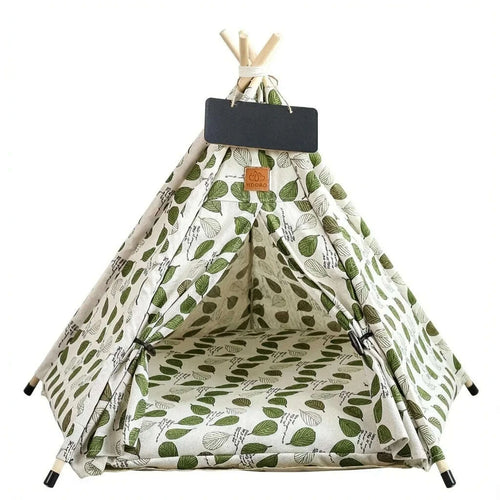
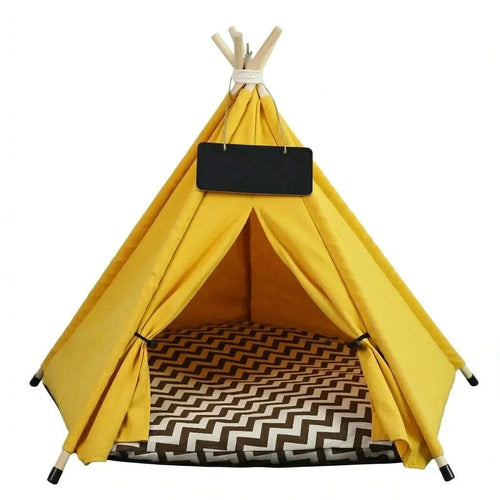
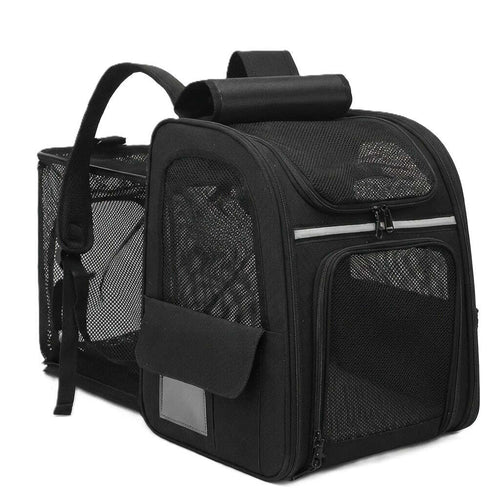
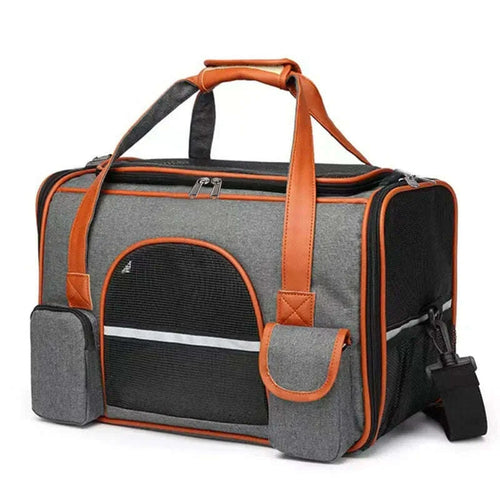
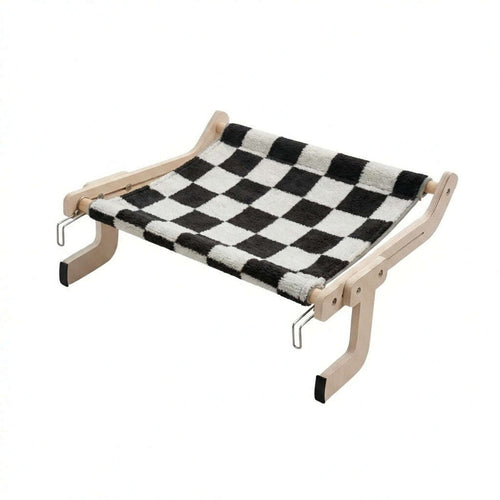
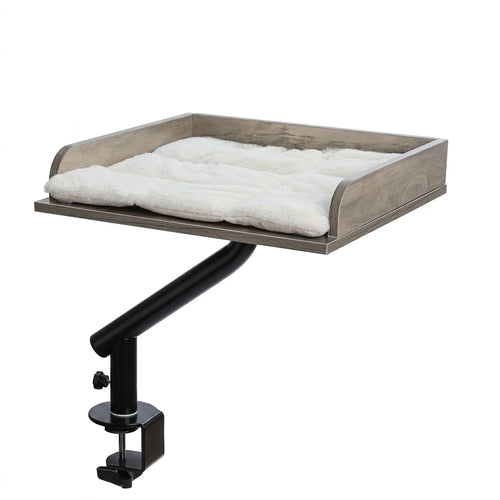
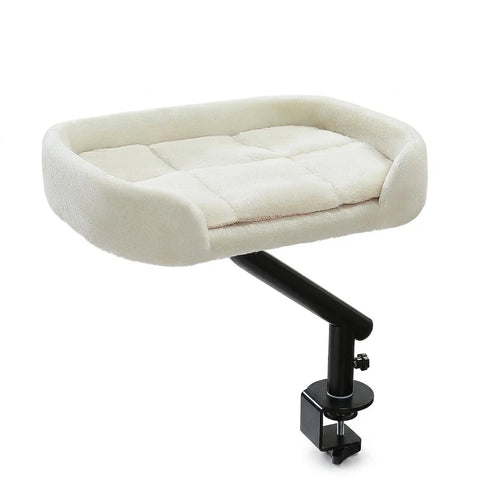
Size, location, material and upkeep: once those four points are settled, all that is left is to pick the model that matches your cat’s character. Here are three hideaways that cover most situations.
📚 Sources and References
- TICA (The International Cat Association). Maine Coon Breed Standard — official breed size/conformation standard. https://tica.org
- LOOF (French cat registry). Standard racial : Maine Coon — breed standard reference. https://loof.asso.fr
- International Cat Care. Cat Friendly Homes — guidance on hiding places and resting areas for cats. https://icatcare.org
- Cornell Feline Health Center. Enriching Your Indoor Cat's Life. https://vet.cornell.edu
- Turner, D. C. & Bateson, P. The Domestic Cat: The Biology of its Behaviour. Cambridge University Press.
- Bradshaw, J. (2013). Cat Sense.
FAQ: Which Cat House Should You Choose?
-
An insulated, comfortable cat house placed in a quiet spot generally suits indoor cats best, since they look for secure spots to rest.
-
Shy cats often prefer enclosed houses, while more sociable cats tend to like semi-open models that offer better visibility.
-
Yes, as long as it's designed to withstand moisture, well ventilated, and set up in a sheltered spot.
-
There's no set schedule: replacement depends on wear, stability, and how comfortable the materials still are.
-
Yes, some cats need time to adjust. Moving it to a better spot or adding familiar scents can help them warm up to it.


Your cat’s well-being, our number one priority
A French team that lives with cats, products chosen for their instincts (climbing, scratching, watching, hiding) and over 100 guides written to help you choose well.
- Free deliveryFrance and Europe, no minimum
- Secure paymentCard, Apple Pay, PayPal, Shop Pay
- 30-day returnsSatisfied or refunded
- Expert advice100+ guides and tutorials, support in France
Our Products