Bringing a Cat Home to Your Apartment: Preparing for Arrival and the First Days

Welcoming a cat into your apartment is always a happy, memorable event. It's a two-decade commitment, and your new companion will depend entirely on you for their comfort, health, and feline well-being.
An indoor cat can be perfectly happy, as long as you adapt your home and routine to their needs: scratching, burning off energy, playing, sleeping with you or off on their own, watching the world go by from the window…
In this article, we'll look at how to turn your home into a true haven for an apartment cat, whether you have a European Shorthair, a calmer indoor breed, or a large breed like the Maine Coon.
1. Understanding the commitment of an apartment cat
Even before your cat arrives, keep in mind that an indoor cat depends 100% on their environment to thrive. They don't go outside (or very rarely), so:
-
they need mental stimulation (play, interaction, observation)
-
they need to burn off physical energy (jumping, running, a scratching post, a small cat tree)
-
they need stable landmarks (routine, their own spots, familiar scents)
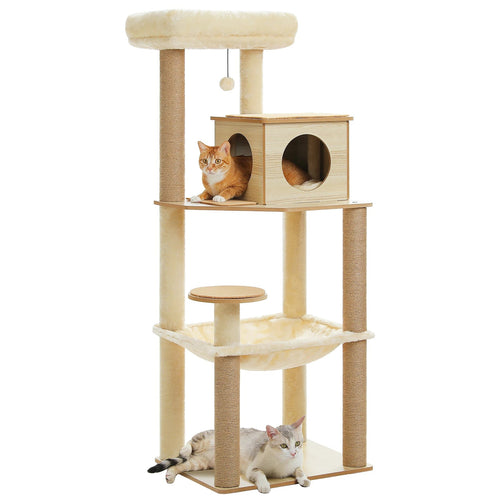
No balcony or garden? The Small Space Cat Tree gives it a sisal scratching post, a perch and a rest spot on a minimal footprint, at €109.99, free delivery.
Commitment here means consistency: meals at set times, a bit of playtime every day, quiet while they sleep, and a bit of attention to their behavior.
Sometimes they'll show their predator instincts, other times they'll be more affectionate: that's normal, and these shifts are just part of having a cat.
2. Be patient: the first few days are crucial
When you welcome a new cat into an apartment, the golden rule is simple: be patient.
Don't expect them to feel at home within the first few hours. In the early days, it's completely normal for them to hide under a bed, behind a couch, or in a closet. Let them be, and don't force them out.
Instead of chasing them down for pets, sit calmly in the same room, speak softly, and let them come to you. Avoid sudden movements, loud noises, and overly insistent attention.
It's also best not to give them access to the whole apartment right away. One or two rooms are enough for them to get their bearings, pick up on the scents, and start to feel safe.
The more you let them settle in at their own pace, the stronger the bond of trust will be. An apartment cat that's had time to calmly adjust to their surroundings generally becomes more curious, more playful, and closer to you.
Over time, they'll feel more comfortable sleeping with you, curling up on the couch, or following you from room to room.

3. Watching their behavior: the key to understanding your cat
Before rushing to set everything up for them, take the time to simply observe:
-
Where do they go on their own?
-
Do they prefer high-up spots or hiding on the ground?
-
Do they tend to scratch the couch or somewhere near a door?
-
Do they react to outside noises, neighbors, or the TV?
Watching your indoor cat will help you place the right pieces in the right spots: scratching post, cat trees, beds, toys, feeding area.
For example, if they already like perching on a windowsill, that might be the perfect spot for a small cat tree or a cat window perch.
4. Health: vaccines, spaying/neutering, and microchipping
Even for an apartment cat, health remains a top priority. An indoor cat can still be exposed to certain viruses or parasites carried in on your clothes, shoes, or by other animals.
That's why a vet visit in the first few days is essential. Your vet will recommend a vaccination schedule tailored to your situation and your cat's lifestyle.
Spaying or neutering is also strongly recommended. It helps curb escape attempts, urine marking, and yowling linked to heat cycles. A spayed or neutered cat often has more stable behavior and better emotional balance, which is a real plus in an enclosed environment like an apartment.
Microchipping (or tattoo identification, depending on your country) is another essential step. Even an apartment cat can slip out if a door is left open or take a fall from a balcony.
A microchip greatly improves the odds of finding your cat if they get lost, say during travel. Welcoming a cat into your apartment also means taking these basic precautions to protect them for life.
5. The litter box: comfort, privacy, and cleanliness
For an apartment cat to feel safe, the litter box needs some thoughtful planning.
5.1. Choosing the right spot
-
Somewhere quiet, away from the feeding area.
-
Avoid high-traffic areas (entryway, busy hallway).
-
Keep access open at all times, never behind a closed door.
5.2. The right box, always kept clean
Set up a litter box for your cat as soon as they arrive, and keep it clean so your cat takes to it and feels comfortable using it:
-
Scoop out waste every day.
-
Change the litter regularly (depending on the type you use).
-
Wash the box with warm water and mild soap (avoid strong scents).
An indoor cat who doesn't like their litter box may start going elsewhere in the home, which is often a sign of stress or discomfort. A clean litter box means a more relaxed cat.

6. Food and Water: Don't Stress Your Cat Out at Mealtime
Give your cat food and water, but without turning mealtime into a source of stress.
6.1. The Feeding Area
-
Keep food bowls away from the litter box.
-
Always fresh water, ideally from a cat water fountain (cats love running water).
-
A quiet spot where he won't be startled mid-meal.
6.2. Don't Spoil Him Too Much... But Don't Frustrate Him Either
Don't stress him out with food:
-
avoid switching kibble too often,
-
stick to the quantities recommended by your veterinarian,
-
limit treats.
An indoor cat often moves less than one who goes outside, so weight gain can happen fast. It's better to play more than to make up for it with extra treats.
7. Toys, Scratching Posts, and Personal Spaces: Why Territory Matters
An indoor cat is a highly territorial animal. He needs objects and spots that are his own.
7.1. Scratching Without Destroying Your Couch
Your pet will always need to scratch, burn off energy, or get mental stimulation. Give him:
-
a vertical or angled scratching post
-
a cat tree with multiple levels
-
or maybe a small designer cat tree that blends into your decor
Set these up wherever he tends to scratch. Praise him when he uses them, and place toys nearby to draw him in.
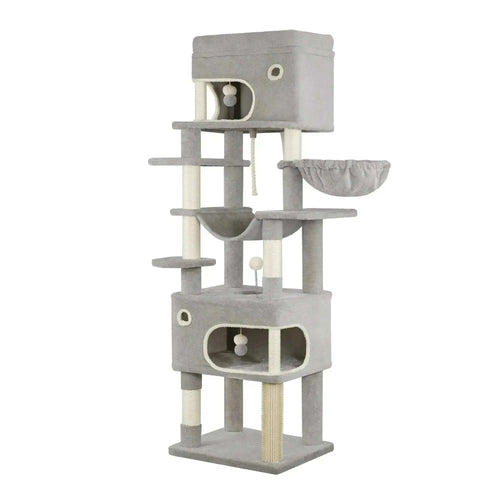
For a large cat like a Maine Coon, choose a Maine Coon cat tree or a very sturdy, wide, stable model suited to his weight and size. A small scratching post alone won't be enough to channel his energy.
7.2. Creating His Own Corner
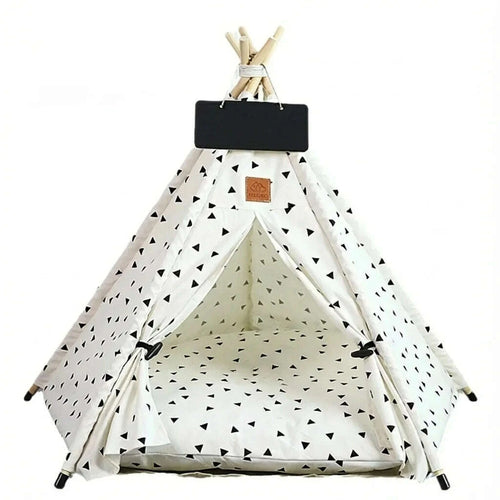
It's just as important to create a space that's truly his. Give him toys, a comfortable cat bed or cat cushion, a blanket with your scent, and if possible, a small hideaway like a hut or tunnel.
The idea is to give him a space where he feels safe and where no one comes to disturb him. If he regularly picks your bed, it's fine to let him sleep with you, as long as that works for you too. Sleeping with you can strengthen your bond and reassure him, especially in the early days.
8. Playing With Your Cat: Channeling His Hunting Instinct
Playing with your cat is essential, especially for an indoor cat. Just a few minutes a day is enough to:
-
help him burn off energy
-
reduce stress
-
strengthen your bond
Mix up the games:
-
a feather wand to trigger the hunting instinct
-
hide-and-seek with treats
-
boxes, tunnels, paper bags (under supervision)
Sometimes they hold onto their predator instinct, other times they're more cuddly: respect these phases. Let him occasionally finish the "hunt" by catching the toy, to avoid frustration.

9. Socializing Your Cat: Introducing Him to New People (Without Overwhelming Him)
Even for an indoor cat, socialization still matters. If he never sees anyone but you, he risks becoming very fearful at the slightest visit. Whenever you get the chance, invite friends over so your cat gets used to seeing new people.
Start by inviting just one calm person who understands not to force contact.
Explain to your guests that they should ignore him at first, let him observe from a distance, and come to him when he's ready. Over time, he'll get used to new voices, different scents, and the sound of conversation.
This will help him better handle unusual situations, like a vet visit, a move, or construction work in the building.
Gradual, respectful socialization builds your indoor cat's confidence and helps him thrive in his urban environment, often filled with unpredictable sounds and comings and goings.

10. Setting Up Your Apartment for Real Feline Well-Being
Setting up your apartment for your pet doesn't mean transforming everything, just adapting it smartly:
-
Height: shelves, cat trees, window ledges.
-
A lookout spot: a perch near a window to watch birds or the street.
-
Safety: secure balconies and windows (nets, guards), hide cables, and keep toxic plants out of reach.
-
Quiet: secluded spots where he can rest undisturbed.
With these adjustments, your indoor cat can enjoy a rich, stimulating, and peaceful life, even without access to the outdoors.
Conclusion: A Happy Indoor Cat Is Possible
Welcoming a cat into your apartment means organizing your space and daily routine around him a little. It's also an incredible source of joy.
Your indoor cat can become a true member of the family, ready to play with you, snuggle up against you, scratch on their scratching post instead of the couch, and sometimes even sleep with you if you allow it.
In summary, be patient during the first few days, observe your cat to understand their needs, get them vaccinated, spayed or neutered, and microchipped, set up a clean, well-placed litter box, don't stress them out around food, offer toys, scratching posts, a small cat tree or a Maine Coon cat tree for larger breeds, and gradually introduce them to new people without overwhelming them.
With these basics in place, welcoming a cat into your apartment becomes the start of a beautiful story.
Your indoor cat will be able to fully thrive, and you'll enjoy this unique bond between human and feline every day, filled with play, affection, trust, and deep shared well-being.

For their own little space: which cat house to choose.
Before they arrive, learn how to secure a balcony for a cat.
Three fixtures for a flat that works
A happy indoor cat mostly needs height, a lookout post and water it actually wants to drink. Here are three simple things to set up in the very first weeks.
📚 Sources and References
- Ellis, S.L.H. et al. (AAFP/ISFM). (2013). AAFP and ISFM Feline Environmental Needs Guidelines. Journal of Feline Medicine and Surgery. https://icatcare.org
- International Cat Care. Advice on indoor cat welfare and behaviour. https://icatcare.org
- Cornell Feline Health Center. Resources on feline health and behaviour. https://vet.cornell.edu
- MSD Veterinary Manual. Normal Social Behavior and Behavior Problems of Domestic Cats. https://msdvetmanual.com
- Turner, D.C. & Bateson, P. (eds.) The Domestic Cat: The Biology of its Behaviour. Cambridge University Press.
Frequently asked questions about welcoming a cat into your apartment
-
It generally takes anywhere from a few days to three weeks. During the first few days, your cat will hide and observe: that's completely normal. Give them a safe room with their litter box, water, and a bed, then gradually expand their territory. Patience and a stable routine (regular meal and playtime schedules) significantly speed up the adjustment process.
-
Yes, as long as you provide an enriched environment. An indoor cat can be perfectly content with vertical space (a cat tree, shelves), scratching posts, hiding spots, daily play that channels their hunting instincts, and visual access to the outdoors (a secured window ledge). It's the richness of the territory, more than its size, that makes a cat happy.
-
Two cats can be an excellent idea in an apartment, especially if you're often away: they keep each other company and burn energy together. The ideal approach is to adopt two kittens at the same time, or a pair that's already bonded. If you already have a territorial adult cat, introducing a second one needs to happen very gradually to avoid conflict.
-
Before they arrive, set up the essentials: a litter box in a quiet spot, water and food away from the litter box, a cozy bed, a scratching post, and a few toys. Secure windows and balconies, store away toxic products and dangerous plants, and hide any loose cables. Set aside a safe room for the first few days.
-
Provide plenty of sources of stimulation: active play sessions morning and evening (feather wands, balls), treat-dispensing toys for mealtime, elevated observation spots near windows, and regularly rotating toys to keep things fresh. A few minutes of focused play several times a day beats one long session.


Your cat’s well-being, our number one priority
A French team that lives with cats, products chosen for their instincts (climbing, scratching, watching, hiding) and over 100 guides written to help you choose well.
- Free deliveryFrance and Europe, no minimum
- Secure paymentCard, Apple Pay, PayPal, Shop Pay
- 30-day returnsSatisfied or refunded
- Expert advice100+ guides and tutorials, support in France
Our Products