How to Clean a Cat Tree: A Complete Guide

Regularly cleaning a cat tree helps remove hair, odors, bacteria, and urine residue while extending the furniture's lifespan. Proper care protects your cat's health and keeps the space clean, hygienic, and pleasant every day.
A cat tree accumulates dust, dirt, odors, and microorganisms, especially in sleeping areas and scratching zones. Regular cleaning limits bad odors, reduces the risk of skin irritation, and contributes to your cat's overall well-being. The goal isn't just to clean the surface, but to gradually maintain every area to preserve the materials and ensure comfortable daily use.
How to Remove Cat Hair from a Cat Tree
Use Tools Suited to Fabrics and Surfaces
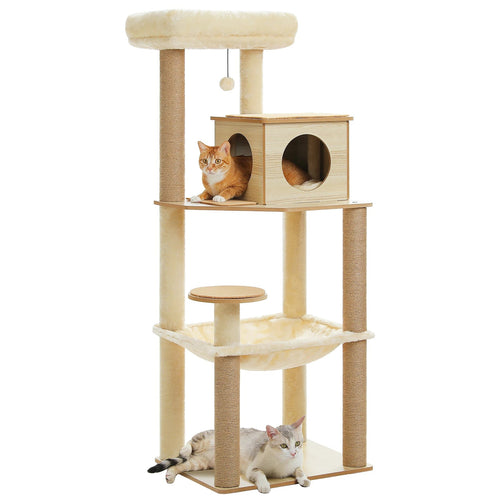
Cat hair easily embeds itself in fabrics, hammocks, and plush-covered platforms. A sticky roller, lint roller, or rubber brush removes it effectively. For models with textured surfaces, like this wood cat tree design, a light pass with a vacuum's fabric attachment helps lift fine hairs without damaging the covering.
Clean Without Damaging the Coverings
Avoid stiff brushes and abrasive attachments, which can pull at the cushion fibers. It's better to go over the surface gently several times than to press too hard. This approach preserves the material while ensuring a more even clean.
Set Up a Simple Cleaning Routine
A weekly brushing is usually enough to limit hair buildup and makes deeper cleanings easier. In homes with multiple cats or during shedding season, brushing slightly more often keeps the fabrics from becoming saturated.

How to Disinfect a Cat Tree
Choose the Right Cleaning Products
Disinfecting should stay gentle, never harsh. Warm soapy water or a mild cleaner is enough to eliminate bacteria and residue. Natural wood surfaces, like those found on models in the wood cat tree collection, should be cleaned sparingly to avoid excess moisture.
Disinfect Without Soaking the Materials
Apply the solution with a microfiber cloth, focusing first on the contact areas where your cat regularly rests its paws or lies down: platforms, steps, house edges, and posts. Then wipe down all surfaces thoroughly to remove excess moisture, since prolonged dampness could weaken the structure or damage certain materials over time.
Let It Dry Completely Before Use
Air-drying is essential before your cat climbs back on. A few hours near a window or in a well-ventilated room is enough to eliminate any residual moisture.

How to Replace the Rope on a Cat Tree
Spot Sisal Rope Wear
When the rope becomes smooth, frayed, or starts coming loose, it no longer provides good grip for scratching. Replacing the rope keeps your cat from turning to your furniture instead and extends the tree's lifespan.
Replace the Rope Step by Step
Remove the old rope, clean the post, then wind the new rope tightly, coil against coil. Secure it only at the ends to avoid bulky, uncomfortable overlaps.
Choose a Sturdy, Repairable Structure
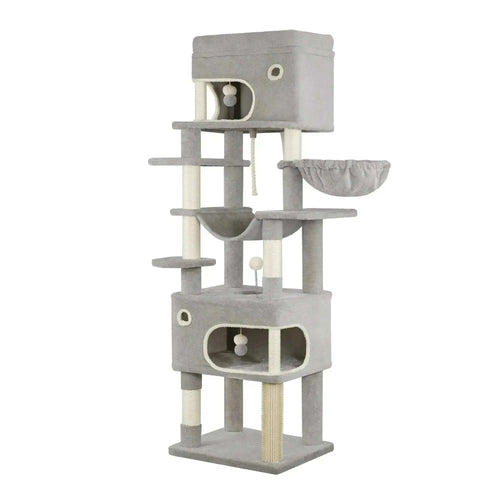
Stable, well-built trees make this kind of upkeep easier. A sturdy model, like this cat tree design, lets you replace worn parts without swapping out the whole piece of furniture.

How to Remove Urine Odor from a Cat Tree
Clean the Area Right Away
Blot the urine with paper towels, then spot-clean with warm water and a mild soap. Avoid heavily scented products: they mask the odor without neutralizing it and can encourage your cat to mark the spot again.
Neutralize Stubborn Odors
An enzymatic cleaner is recommended because it breaks down the molecules behind persistent odors at the source, instead of just covering them up. It works especially well on fabrics, padded cushions, and other absorbent areas, where urine can soak into the fibers and linger even after a standard cleaning.
Prevent It from Happening Again
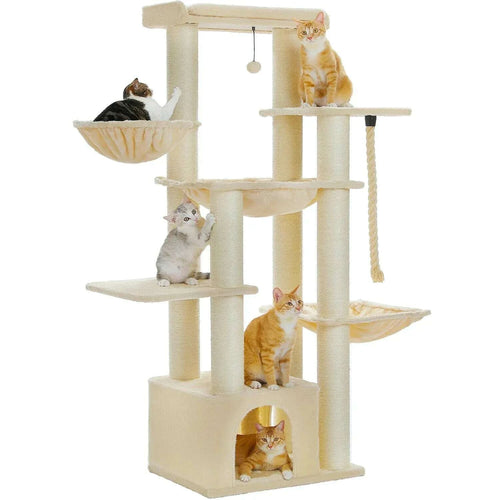
If the marking keeps happening, the cause could be stress, territorial behavior, or the tree's location. Offering a comfortable, well-structured space, like a model from the cat tree design collection, can help reduce this behavior.
Handy with tools? Learn how to make a DIY scratching post.
How Often, and With What? The Recap
To effectively maintain your cat tree without damaging it, match the product and method to each material:
| Part | Recommended Product | Method | Frequency |
|---|---|---|---|
| Sisal posts | Vacuum + dry brush | Dry-brush only, never soak | Weekly |
| Fabric platforms | Baking soda / enzymatic cleaner | Sprinkle, let sit, vacuum | Every 2 weeks |
| Wood structure | Slightly damp cloth | Wipe, then dry thoroughly | Monthly |
| Urine odors | Enzymatic cleaner | Soak, let sit, dry | As needed |
Regular maintenance significantly extends the tree's lifespan and keeps it appealing to your cat.
Products to Avoid
Some household products are dangerous for cats or drive them away from their tree:
- Bleach and ammonia: toxic, and ammonia's smell resembles urine, which can encourage your cat to mark again.
- Harsh scented cleaners (citrus, eucalyptus, pine): often off-putting to cats, and sometimes toxic.
- Products containing essential oils: many are toxic to cats.
- Too much water on sisal: it loosens the rope and causes fraying.
When in doubt, the vacuum + baking soda + enzymatic cleaner trio covers the essentials without risk.
FAQ: How to Clean a Cat Tree
-
A light weekly cleaning is recommended to remove fur, dust, and scratching residue. A more thorough cleaning every 3 to 4 weeks then helps disinfect surfaces and extend the furniture's lifespan, especially with daily use.
-
Yes, as long as the covers are removable and machine-washable. It's best to use a gentle cycle at a low temperature to protect the fabric and seams. The covers should then air-dry completely before being put back in place to avoid leftover moisture.
-
The rope should be replaced as soon as it becomes smooth, frayed, or less effective for scratching. Worn rope sometimes leads cats to scratch other surfaces instead. Replacing it restores grip to the post and extends the cat tree's lifespan.
-
No, they mask the odor without truly eliminating it, and they can sometimes bother the cat. To get rid of a persistent smell, it's better to use a gentle cleaning method or an enzymatic product designed to neutralize the molecules that cause odors.


Our Products