How to Put a Cat in a Cat Carrier

The key to getting a cat into a cat carrier is to take it slow and get them used to it ahead of time. Use a comfortable carrier lined with a familiar blanket, reassure your cat calmly, and they'll hop in without stress or scratching.
How to Get Your Cat Used to a Cat Carrier
Choose the Right Cat Carrier
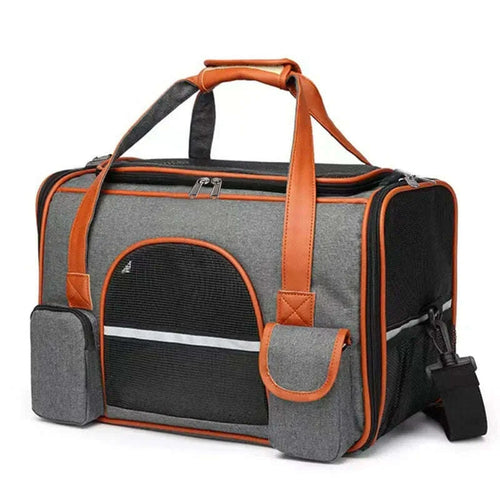
First and foremost, make sure you have a carrier (or crate) that's the right size and good quality. Your cat should be able to stand up and turn around inside without feeling cramped. A model that's too small or poorly designed can make them even more uncomfortable. Don't hesitate to invest in a sturdy, well-ventilated carrier with secure latches. Our cat carrier collection offers a range of carriers and crates approved for stress-free travel with your feline.
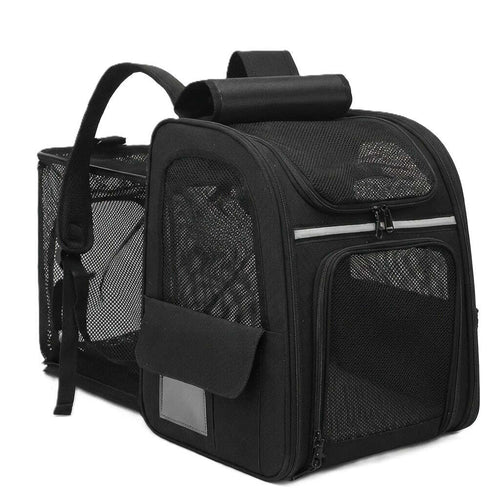
Does your cat still link the carrier with the vet? The Cat Backpack Carrier carries them safely, with vented walls and padded straps, at €79.99, free delivery.
Get Rid of Stress Odors
If you've already used the carrier and your cat was scared inside it, be sure to clean it thoroughly. Wash the crate with warm water and a mild soap to remove any lingering stress odors and pheromones. A clean carrier, free of anxiety-triggering smells, will feel more welcoming to your cat. After every vet visit or stressful trip, clean the carrier this way so you're starting fresh next time.
Leave the Cat Carrier Out and Accessible
Don't only bring out the carrier when it's time to leave for the vet. Instead, work it into your cat's everyday life. Leave the carrier open in the living room or a quiet room in the house so your cat can wander in and out freely. Over time, they'll leave their own scent inside and start to see the carrier as part of their familiar territory rather than a threatening object. One pet expert even recommends taking the lid off the crate at first so the cat can get used to the base of the carrier without fear. Once they settle in willingly, you can put the lid back on: the cat will have already marked the space with their scent and won't see it negatively anymore.

Create Positive Associations
Turn the carrier into an appealing, comfortable spot. Place a soft blanket or your cat's usual cover inside to make it a cozy little nook. The familiar smell of their blanket will reassure them and may even encourage them to curl up and rest there. You can also regularly slip a small treat inside or near the entrance of the carrier. Your cat will learn to associate the carrier with a tasty reward rather than a punishment. Likewise, don't hesitate to place a few of their favorite toys inside: if they find their favorite toy in there, they'll go in on their own to get it. Play with them around the carrier, for example by running a feather wand or laser toy inside, to encourage them to explore it in a playful way. With patience and positive reinforcement, your cat will eventually see their carrier as a familiar, reassuring place rather than a prison.

How to Calm a Cat in a Cat Carrier
Prep Your Cat Before the Trip
A relaxed cat in their carrier starts with a cat who's been prepped before departure. If possible, let them play and burn off some energy before the trip so they're calmer once inside the carrier. Avoid feeding them right before you leave to help prevent motion sickness (a queasy cat will be more anxious). Make sure the carrier has a cushion or a small cozy blanket carrying their scent to reassure them as soon as they step in. Finally, check that the carrier is properly closed and securely placed (buckled onto the seat or set on the floor in the car) to avoid jolts that could stress them out.
Use Calming Pheromones
Synthetic pheromones can help your companion feel calmer inside their crate. A few minutes before putting your cat in, spray a calming pheromone spray inside the carrier (a Feliway-type spray, for example). These pheromones mimic reassuring facial scent markers and help reduce anxiety. You can find this type of product at your vet's office. Once infused with a soothing scent, the carrier will feel more like a neutral or positive space to your cat.
Partially Cover the Carrier
A common trick for calming a nervous cat is to cover the carrier during the trip. Drape a cloth or light blanket over part of the crate, leaving the front opening clear for ventilation. Being partially covered creates a "cocoon" effect that can reassure your cat by limiting their view of the stressful environment. That said, make sure air can still circulate and avoid over-covering it in hot weather to prevent overheating. SantéVet recommends covering the crate with a blanket so the cat feels safe during the trip.
Stay Calm and Reassuring
Your own behavior has a big impact on how calm your pet stays. Try to remain as serene as possible yourself: cats pick up on our stress. Speak to them in a soft voice to reassure them and avoid sudden movements. If your cat meows or scratches at the crate, don't yell and definitely don't punish them, that would only heighten their anxiety. Instead, keep a soothing tone and maybe slip a treat through the door to take their mind off the stress. You can also give them a favorite toy to help distract them during the trip. In general, stay calm and patient: your composure has a direct effect on their behavior. By being attentive and gentle, you'll help your cat get through this tricky moment more peacefully.


Why Is My Cat Afraid of the Cat Carrier?
Bad Associations
Many cats feel scared the moment they see the carrier because they associate it with negative experiences. In fact, the carrier is often brought out only for situations the cat finds unpleasant: most of the time, that means a vet visit or a long trip away from home. The carrier usually stays tucked away in a closet and only appears when it's time for the vet, which is why the mere sight of it can trigger panic. Over time, the cat comes to expect a stressful event as soon as you pull the carrier out. What's more, during these visits the cat experiences stress and leaves fear pheromones behind in the crate. These specific odors linger in the carrier and remind the cat of past anxieties. As one specialist puts it, a cat is afraid of the carrier because of "the negative association of the object with an unpleasant event, along with lingering odors and pheromones that stress them out right away."
A Loss of Bearings and a Confined Space
Cats are highly attached to their territory and daily routines. Being placed in a carrier means a sudden break from their familiar environment. They find themselves shut in a tight space and taken somewhere unknown, which triggers a strong sense of insecurity. Being abruptly confined to such a small space heightens the cat's distress and unease. On top of that, during transport they're exposed to unfamiliar stimuli (car noises, motion, the presence of strangers) with no way to escape, which fuels their fear. Some cats also suffer from motion sickness, feeling nauseous and uncomfortable in the car, which only deepens their dislike of the carrier. In short, the carrier scares your cat because it represents a loss of control and past bad experiences. By working to change these associations (see the section on getting your cat used to the carrier), you can gradually reduce this fear.

How to Carry an Aggressive Cat
Take Safety Precautions
Carrying an aggressive or very uncooperative cat can be a real challenge. The first step is to think about your safety and theirs before putting them in the carrier. If your cat tends to scratch or bite, protect yourself by wearing thick clothing or gloves, or by using a towel. Choose a rigid carrier that opens from the top (or whose lid comes off easily) if possible: this makes it much easier to get an uncooperative cat inside. Set up the carrier ahead of time in a small, quiet room, with the door open and positioned upright (or with the lid removed) to minimize handling time once you place the cat inside.
The Towel Technique
A trick frequently recommended by cat behaviorists is to wrap the cat in a large, thick towel to gently restrain them. Approach your cat calmly, then wrap them snugly but firmly in a towel or blanket thick enough to protect you from scratches. Hold them against you like this, swaddled (like a "cat burrito"), making sure to cover their paws and support their weight. Then position the carrier upright with the opening facing up, and slide the towel-wrapped cat in through the top opening. Quickly close the door or lid, then pull the towel out through the bars if possible. This method lets you contain a panicked cat without hurting them or getting scratched.
Hold Them Firmly but Gently
If you're not using a towel, there's an effective way to carry an aggressive cat into their carrier without getting hurt. Scoop them up into a ball shape, tucking their head under your arm (near your elbow) with one hand under their hindquarters. Hold them firmly against you so they can't scratch you or wriggle free. A snug hold even has a mildly calming effect on them. Always keep control of the head to avoid bites. Never grab an adult cat by the scruff of the neck (this method isn't recommended, especially with a stressed cat). Face them toward the carrier opening and guide them in head-first with a confident motion. This minimizes the risk of scratches or an escape at the critical moment of getting them into the carrier.
Last Resorts for Extreme Cases
If your cat remains unmanageable despite all these precautions, don't take unnecessary risks. In cases of intense stress, consult your veterinarian: they may prescribe a mild sedative or a natural calming aid to give before travel. There are also pheromone diffusers and calming supplements that can help reduce fear-driven aggression. Finally, don't hesitate to ask someone else for help with handling: with two people, it's easier to safely secure an uncooperative cat. The key is to stay in control while avoiding injury to your cat or yourself. With patience and the right technique, even a strong-willed cat can be safely placed in their carrier.

Should You Put a Blanket in the Cat Carrier?

Comfort and Reassurance for Your Cat
Yes, it's generally recommended to put a blanket (or cushion) inside the carrier. A soft mat or small blanket at the bottom of the carrier gives your cat more comfort during the trip and protects them from direct contact with plastic or metal. What's more, if you use a blanket that carries the scent of home or of your cat, they'll be immediately reassured by that familiar smell. A carrier lined with a cozy piece of fabric will feel like a safer, less cold space to your cat.
Practical Benefits of the Blanket
Adding a blanket to the carrier also has practical advantages. If there's a small "accident" (urine, vomiting) during the trip, the blanket will absorb some of the mess, sparing the bottom of the carrier and your cat's fur. It's easier to clean or swap out the blanket on the go than to wash the whole carrier. A blanket also helps steady the cat inside the carrier and keeps them from sliding around too much if the vehicle brakes or accelerates. Just be sure to pick a blanket of the right size (not too thick or bulky) so it doesn't shrink the carrier's interior space. In short, placing a blanket inside the carrier supports your cat's comfort and safety during the trip. To learn more about preparing for trips with your companion, check out the best blogs about Le Félin.

FAQ: How to Put a Cat in a Carrier! 1. How Long Can a Cat Stay in Its Carrier?
As a general rule, it's best not to leave a cat shut in their carrier for more than 2 to 3 hours straight without a break. On long trips, plan regular stops so they can drink, relax, and possibly use a litter box. A cat can tolerate several hours in their carrier if needed, but you shouldn't go beyond roughly 6 to 8 hours without letting them out (except for flights, which follow their own specific rules). Beyond 8 hours, stress, thirst, or the need to relieve themselves can put them at risk. Ideally, plan your trip to minimize time spent in the carrier, and never leave a cat alone in a carrier inside a parked car (risk of heatstroke).
2. What Should You Do If Your Cat Won't Stop Meowing in the Carrier?
If your cat is vocalizing a lot during the trip, it means they're expressing stress or discomfort. First, make sure they're not hungry, thirsty, or in urgent need of relieving themselves. Speak to them softly to reassure them, without scolding or raising your voice (this would only increase their anxiety). You can try partially covering the carrier with a cloth to calm them by reducing visual stimuli. Check that the temperature is comfortable (not too hot or too cold) and that the ride is as smooth as possible (gentle driving, no unnecessary jolts). If they keep meowing nonstop despite all this, be patient: some cats eventually settle down after a few minutes, while others may meow the whole way. The important thing is to stay calm and not take them out of the carrier until you're somewhere safe. Over time, as your cat gets used to traveling, this meowing should decrease.
3. Is a Soft Carrier Bag or a Hard Crate Better?
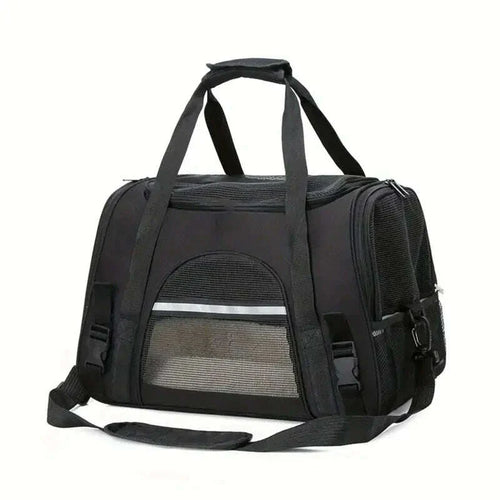
Both options can work well, but each has its own advantages. A soft carrier bag (made of reinforced fabric) is lightweight, less bulky, and often accepted in the cabin if you're traveling by train or plane. It can be more comfortable for both the cat and the person carrying them, but it offers less protection in case of impact. A rigid carrier (hard plastic) is more secure for car travel: it protects the cat better and is easy to clean after an accident. It often has a sturdy metal-grille door. The best choice depends on your main use case: for short trips on foot or on public transit, a soft carrier may be enough, while for car rides or very agitated cats, a rigid carrier is recommended. Above all, make sure the carrier, soft or rigid, is well-ventilated, closes securely, and is the right size for your cat.
4. How Do You Properly Clean a Cat Carrier?
Cleaning your cat carrier regularly is important for eliminating stress odors and maintaining good hygiene. For a hard plastic carrier: remove any detachable parts (door, top cover) if possible, then wash the whole thing with warm soapy water (castile soap or a mild detergent). Rinse thoroughly to remove any product residue, then dry completely. You can also gently disinfect with diluted white vinegar, which neutralizes odors without being toxic to your cat (rinse well afterward to reduce the vinegar smell). For a soft-sided fabric carrier: check the label, many models are machine washable (delicate cycle). Otherwise, hand scrub with warm water and mild soap. For stubborn urine odors, baking soda works well to neutralize them (sprinkle it on, let it sit, then vacuum it up). Be sure to let the carrier air dry completely before using it again to prevent mold.
5. Can You Put Two Cats in the Same Cat Carrier?
It's best to avoid putting two cats together in the same carrier, except for very short trips and only if the two cats get along exceptionally well. Under stress, even cats that are usually close can turn aggressive toward each other when confined together. Plus, the space would be very tight for two animals, which increases their discomfort. It's better to use one carrier per cat so each has their own secure space. If you truly can't do otherwise (for example, two inseparable kittens on a short trip), choose a cat carrier large enough that they aren't pressed together, and keep a close eye on their interactions. Ideally, though, each cat should travel separately to avoid fights and reduce stress.
Making the carrier more welcoming
A trip is prepared as much by habit as by the comfort at the bottom of the bag. A blanket carrying the smell of home often changes everything, from the first try to the way back from the vet.
📚 Sources and References
- International Cat Care. Cat behaviour and welfare resources. https://icatcare.org
- Cornell Feline Health Center. Feline health and behavior resources. https://vet.cornell.edu
- MSD Veterinary Manual. Normal Behavior of Cats. https://msdvetmanual.com
- Bradshaw, J. (2013). Cat Sense. Basic Books.
- Turner, D. C., & Bateson, P. The Domestic Cat: The Biology of its Behaviour. Cambridge University Press.
Frequently Asked Questions
-
Gently wrap them in a towel (the "burrito" technique), hold the carrier upright, and guide them in from the back, using calm, confident movements.
-
Leave the carrier open and freely accessible for several days beforehand, with a blanket and treats inside, so your cat learns to see it as a safe, welcoming spot before travel day.
-
Yes: spraying a calming pheromone spray inside the carrier 15 minutes before departure reduces stress and makes it easier for your cat to go in.
-
If the aggression persists and poses a risk, talk to your veterinarian: they can prescribe a mild sedative suited for difficult trips.


Your cat’s well-being, our number one priority
A French team that lives with cats, products chosen for their instincts (climbing, scratching, watching, hiding) and over 100 guides written to help you choose well.
- Free deliveryFrance and Europe, no minimum
- Secure paymentCard, Apple Pay, PayPal, Shop Pay
- 30-day returnsSatisfied or refunded
- Expert advice100+ guides and tutorials, support in France
Our Products