Cat Window Perch or Radiator Cat Bed: Which One Is Right for Your Cat?

A cat hammock is often the perfect combo of space-saving design, comfort, and a prime observation spot (especially near a window). In this guide, we get straight to the point: how to choose the right model (window or radiator), avoid common safety mistakes, and help your cat settle in without stress.
👉 For gentle warmth, check out our radiator cat bed and the entire radiator cat bed collection.
If you'd like to compare the available options right away, browse the cat hammock collection. A hammock is one of the best bedding options for cats when you want to save space.
Table of Contents
- 1 - Why a Cat Hammock Improves Rest and Well-Being
- 2 - Cat Window Perch: How to Choose the Right One and Where to Install It
- 3 - Cat Window Perch: Safety, Stability, Weight Limits, and Common Mistakes
- 4 - Radiator Cat Bed: Winter Comfort and Compatibility
- 5 - DIY Radiator Cat Bed: What You Need to Know + a Ready-Made Alternative
- 6 - The 7 Criteria for Choosing the Right Cat Hammock
- 7 - How to Get Your Cat to Adopt a Hammock
- 8 - Building a Complete Sleep Corner: Hammock + Cat Bed + Cat House
- 9 - Le Félin's Picks: The Best Cat Hammocks
- FAQ: Cat Hammocks, Window Perches, Radiator Beds, and Safety
- Learn More
Why a Cat Hammock Improves Rest and Well-Being
Cats don't just need a "soft" spot: they're also looking for somewhere safe, stable, and often elevated. That's where a hammock really shines:
- Height equals perceived safety: many cats relax faster when they have a slight vantage point over their surroundings.
- Observation: near a window, a hammock becomes a natural "TV spot" (birds, passersby, movement).
- Targeted comfort: well-designed models distribute weight evenly and avoid that low-hanging, "sagging fabric" feel.
- Space-saving: perfect for apartments, as a complement to a cat bed or cat house, without blocking foot traffic.
Want to try this lookout spot without drilling into a wall? The Cat Window Perch fixes onto the window in seconds, at €34.99, free delivery.
In practice, a hammock can also help some cats manage cohabitation better (kids, other pets): it creates a clear retreat spot without full isolation.
Cat Window Perch: How to Choose the Right One and Where to Install It
If you're after a cat window perch, you're usually looking for three things: a view, a sunny spot, and a bed that doesn't eat up floor space. It's sometimes called a window cat hammock or a cat window hammock: the idea stays the same, a bed that attaches to the glass (or sometimes the window frame), built for everyday use.
Where should you put it? To maximize the chances your cat will actually use it:
- Pick a window with an active view (a courtyard, quiet street, or garden) rather than a blank wall.
- Avoid windows that get excessively hot in direct summer sun (this can cause discomfort).
- Leave easy access: a windowsill, nearby piece of furniture, or a small step stool for less athletic cats.
- Keep a clear "takeoff and landing zone": your cat will jump, turn around, and stretch.
Which type should you choose? For window use, two main types stand out:
- Rigid structure (e.g., wood): feels more stable, often more durable, with a decorative look.
- Fabric on a frame: lighter, sometimes easier to move, but check the care instructions.
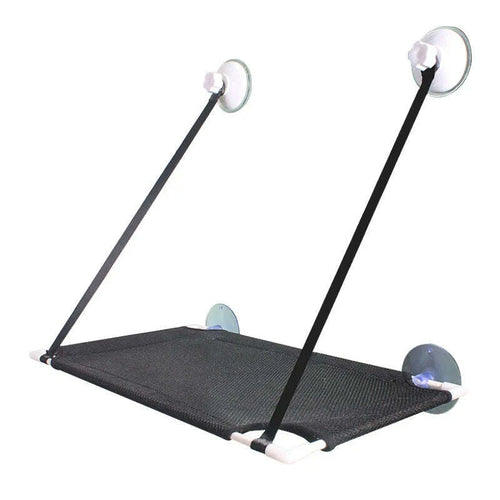
The key factor: how it mounts. A window-mounted cat hammock needs to hold up over the long run, including after repeated cycles of jumping, turning, and napping. Check the stated weight capacity, the quality of the suction cups or mounting system, and how easy it is to reposition.
To browse suitable models, check out our dedicated sub-collection: cat window perch.
A cat window perch is, in most cases, a hammock or platform mounted on the window to give your cat a lookout spot. If you're after a suction cup cat hammock, go for wide suction cups, a well-degreased window surface, and a maximum load that matches your cat's weight (and their jumps).

Cat Window Perch: Safety, Stability, Weight Limits, and Common Mistakes
A cat window perch is excellent, as long as it's installed properly and chosen to fit your cat's profile. That "it held at first, then came loose" feeling almost always comes down to one overlooked detail.
Safety: the basics to follow
- A clean window means a real hold: dust, grease, or filming glass cleaners reduce adhesion. Clean, degrease, and dry the surface completely.
- Weight capacity: don't think in terms of your cat's weight alone. A jump can add a sudden spike of force, so build in a safety margin.
- Temperature: suction cups perform best on surfaces that are neither too cold nor too hot. On an icy window in winter, check it more often during the first few hours or days.
- Regular double-checks: a quick visual check (suction cups flush against the glass, arms not bent) is an easy habit to build.
Common mistakes (and how to avoid them)
- Installing it too high: if it's hard to reach, your cat will ignore it (or jump awkwardly). Add a step or ledge for access.
- Placing it in a high-traffic spot: a frequently used French door, curtains being pulled, drafts... cats don't like being disturbed.
- Choosing one that's too small: a large cat who spills over the edges won't fully settle in. The result: lukewarm adoption.
- Skipping maintenance: fur and dust buildup can reduce comfort and, depending on the design, sometimes stability too.
Perceived stability matters just as much as actual stability. A cat who's had a "bad experience" (slipping, noise, falling) can avoid the spot for a long time.
Radiator Cat Bed: Winter Comfort and Compatibility
A radiator cat bed is often the number one pick as soon as temperatures drop: gentle warmth, long naps, and a dedicated spot that doesn't take up floor space. It's also sometimes called a radiator-mounted cat perch, since the critical factor is how well it fits your radiator (shape, width, type).
Compatibility: questions to ask yourself
- Radiator type: cast iron, panel, modern electric... not all of them work with the same mounting systems.
- Width/thickness: measure before you buy (this is often the cause of an avoidable return).
- Heat output: if your radiator runs very hot, look for a model designed to stay comfortable (and keep an eye on it the first few times you use it).
- Location: a radiator in a busy hallway may see less use.
To discover suitable models, check out our sub-collection: radiator cat bed.

DIY radiator cat bed: what you need to know first for comfort and safety
We often see searches like DIY radiator cat bed or how to make a radiator cat hammock. The idea is tempting: quick, budget-friendly, and customizable. But on a radiator, the safety points to watch are stricter than with a "standalone" hammock:
- Slipping risk: if the attachment is makeshift, the hammock can shift when your cat jumps on it.
- Heat risk: some fabrics or foams don't handle sustained heat well (discomfort, odors, warping).
- Side-to-side stability: a cat rolls over, stretches, switches sides. The support needs to handle that movement.
- Easy cleaning: a poorly designed DIY setup becomes a hassle to wash, and less hygienic as a result.
If you enjoy DIY projects, take a careful approach: sturdy materials, an attachment that won't scratch the radiator, gradual testing, and supervision early on. And if your main goal is simply to offer a reliable warm spot quickly, a ready-made alternative saves a lot of trial and error.
The 7 criteria for choosing the right cat hammock
To choose a cat hammock that lasts and that your cat will actually use, here are the 7 most reliable criteria (and the ones that help you avoid disappointment).
- Usable size: your cat needs to be able to stretch out and roll over. For a larger cat, plan for extra room.
- Maximum weight capacity: leave a margin for jumps. This matters especially for a cat window perch.
- Type of attachment: suction cups (window), hooks (radiator), rigid frame... choose based on your surface and comfort level.
- Materials: breathable fabric, sturdy wood, solid stitching. Avoid overly slippery fabrics for older cats.
- Maintenance: removable cover, easy washing, quick drying. A clean bed is a bed that gets used.
- Perceived stability: a model can technically "hold" but wobble slightly, and some cats hate that. If your cat is cautious, go for the most stable option.
- Your cat's profile: acrobatic kitten, senior cat, timid cat, multi-cat household... adjust accordingly (access, height, quiet zone).
How to get your cat to adopt a hammock
Even the best cat window perch bed can get ignored... at first. Adoption often depends on context, not just the product. Here's a simple method, with no pressure involved:
- Step 1: familiarization: leave the hammock in place, without pushing your cat toward it too much, for 24 to 48 hours.
- Step 2: a reassuring scent: add a fabric your cat already knows (a small blanket they sleep on) to transfer their scent.
- Step 3: gentle reward: place a treat nearby, then on the hammock (without forcing it).
- Step 4: routine: pair a calm moment (after a meal, nap time) with access to the hammock.
Common mistakes: setting it up in a noisy spot, moving the hammock every day, trying to "place the cat on it" (often counterproductive), or choosing a height that feels too intimidating.
The good news: once adopted, a hammock often becomes a go-to spot that gets used constantly, especially if it checks the boxes for comfort, stability, and a good view.

Building a complete sleep setup: hammock + bed + house
A hammock is rarely the only ideal sleeping spot: cats love having multiple options depending on the time of day, the temperature, and how much quiet time they need. To build a well-rounded corner, think in terms of a "system":
- 1 hammock (window or radiator) for watching the world or staying warm.
- 1 bed on the floor for an easy, reassuring nap spot.
- 1 house (igloo or cabin style) for downtime and retreat, especially in a busy household.
You can browse the full range of options in the parent collection cat beds and sleeping spots, then round it out with:
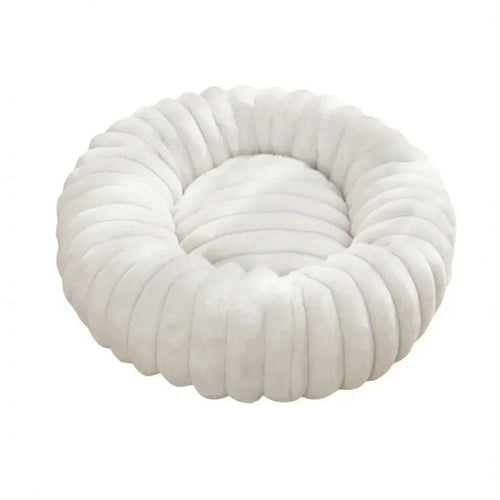
- Cat bed (a simple, universal alternative)
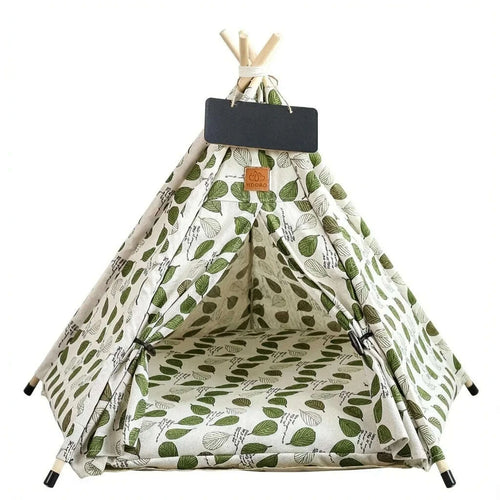
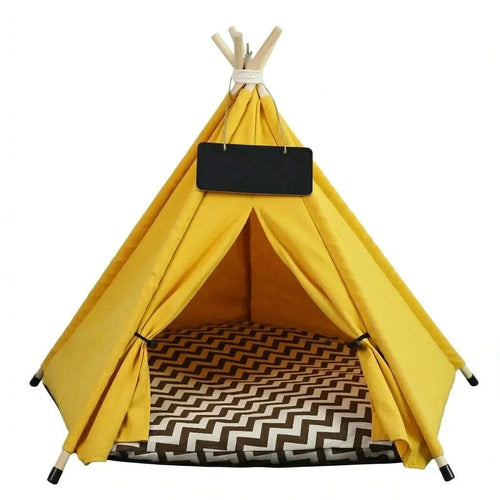
- Cat house (ideal for anxious cats or ones who love to hide)
Comparison table: which bed fits which need?
| Type | Height / viewing | Warmth | Season | Space-saving | Setup | Cat profile |
|---|---|---|---|---|---|---|
| Cat window perch | Excellent (outdoor view) | Moderate (depends on sun exposure) | Year-round | Very high | Moderate (window/suction cup mount) | Curious, watchful, indoor cat |
| Radiator cat bed | Good (depends on radiator height) | Very high (heating) | Fall/Winter | High | Varies (radiator compatibility) | Cold-sensitive, senior, heat-loving cats |
| Cat bed | Low to moderate | Moderate (depends on material) | Year-round | Moderate | Very easy | Universal (kitten to senior) |
| Cat house | Low (cozy nook) | Good (shelter effect) | Year-round | Moderate | Very easy | Timid, needs alone time, multi-cat household |
Le Félin picks: the best cat hammocks
Here are 3 hammock picks, selected to cover the most common uses (window/glass and radiator), with one goal in mind: stability, comfort, and easy integration into your home.
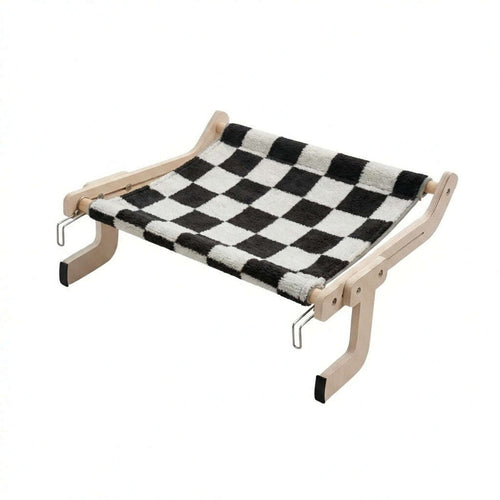
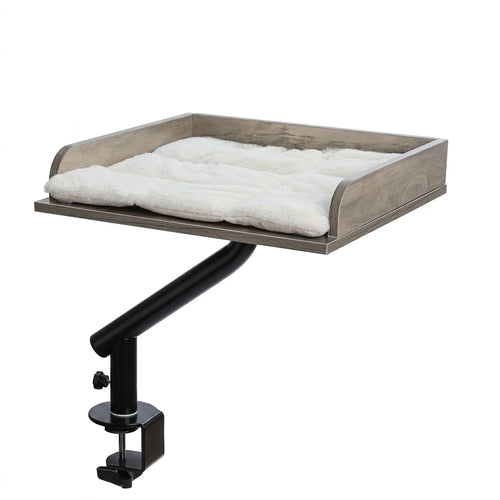
Wooden cat window perch
Who's it for? Cats who like a stable support and homes where style matters (wood frame). What kind of home? Apartments or houses with an accessible window and a good spot for watching the outdoors.
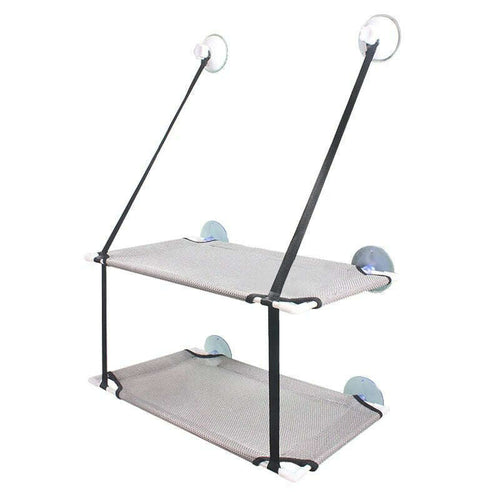
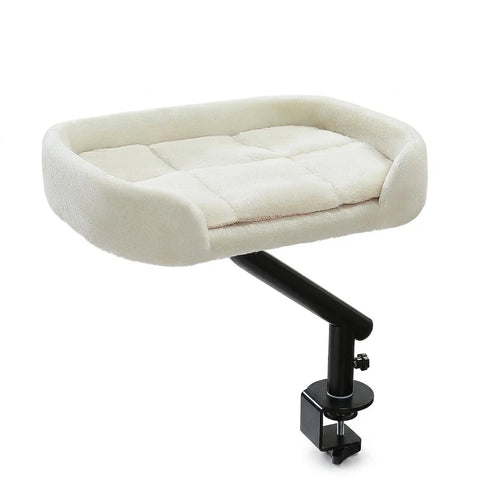
Light gray cat window perch
Who's it for? Cats who love soft fabrics and a low-key sleeping spot. What kind of home? Ideal if you're looking for a cat window perch that blends easily into a bright living room.
Wood-design radiator cat bed
Who's it for? Cold-sensitive cats, long naps, homes heated through winter. What kind of home? Apartments where the radiator is a central heat source and space-saving matters.


📚 Sources and References
- Bradshaw, J. (2013). Cat Sense: How the New Feline Science Can Make You a Better Friend to Your Pet. Basic Books.
- Turner, D.C. & Bateson, P. The Domestic Cat: The Biology of its Behaviour. Cambridge University Press.
- MSD Veterinary Manual. Normal Social Behavior and Behavioral Problems of Domestic Cats. msdvetmanual.com
- International Cat Care. Resources on cat behaviour, environmental needs and wellbeing. icatcare.org
- Cornell Feline Health Center. Resources on feline wellbeing and environmental enrichment. vet.cornell.edu
FAQ: Cat hammocks for windows, radiators, and safety
-
The best cat window perch is one that combines a reliable mount (clean glass plus quality suction cups or a sturdy system), the right size (your cat can stretch out), and an appealing spot (a view, quiet surroundings, easy access). For many indoor cats, a stable model near a window with lots of outdoor activity ends up being the one they use most.
-
Yes, a cat window perch can hold up perfectly well with suction cups if the glass is completely grease-free, the weight limit matches your cat (jumps included), and you do a quick check the first time you set it up. Most cases of it coming loose come down to an under-prepared window or poor placement.
-
In everyday use, "cat window perch" refers to an observation spot on the glass (platform or hammock-style). "Cat window hammock" leans more toward the suspended-bed effect. Both meet the same need: height, a view, comfort, and space-saving.
-
A DIY radiator cat bed can work, but it calls for real attention to safety: stability (no sliding), heat resistance, a mount that won't warp, and supervision at first. If you want an immediate, lasting result, a bed designed specifically for radiators cuts the risk of instability significantly.
-
Measure the radiator's width and thickness, identify its type (panel, cast iron, electric...), and check the stated compatibility. Choose a radiator cat bed that stays stable when your cat jumps on and turns around, and pick a material that's easy to clean.
Going Further
Want to go deeper without overloading this guide? Here are 3 helpful resources (tutorials and tips):
- Installing a cat window perch: simple steps and safety checks
- Quick DIY: cat hammock ("homemade" idea)
- Will my cat use a cat window perch? (behavior & adoption)
Otherwise, you'll find all our cat beds in our collection: cat beds
🐾 Want a ready-to-install hammock, feline-approved? Check out our models:
Putting together your cat’s rest area
A hammock works all the better alongside other sleeping options. Here are three pieces that complement each other well, from the lookout spot to the enclosed den.


Your cat’s well-being, our number one priority
A French team that lives with cats, products chosen for their instincts (climbing, scratching, watching, hiding) and over 100 guides written to help you choose well.
- Free deliveryFrance and Europe, no minimum
- Secure paymentCard, Apple Pay, PayPal, Shop Pay
- 30-day returnsSatisfied or refunded
- Expert advice100+ guides and tutorials, support in France
Our Products