Which Cat Bed Should You Choose?

Choosing the right cat bed depends on your cat's size, sleep habits, sensitivity to comfort, and the layout of your home. A good cat bed should offer security, warmth, and support while respecting your feline's natural preferences. To compare different models by shape, material, or style, check out our cat bed collection, which brings together bedding suited to a variety of profiles and body types.
What Size Cat Bed Do You Need?
The size of the bed directly affects your cat's comfort, sleep quality, and sense of security. A bed that's too small keeps your cat from stretching out properly, while one that's too large can reduce that reassuring feeling of being cocooned.
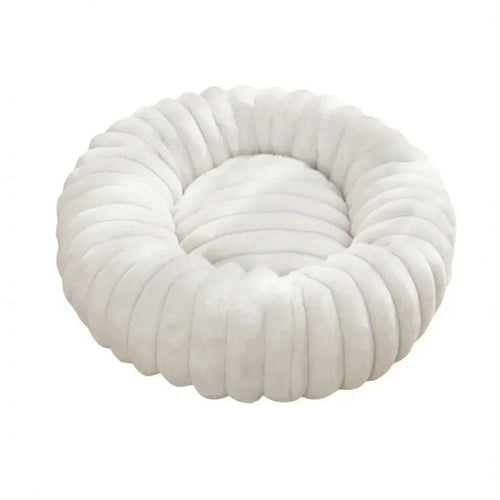
Does your cat sleep curled up in a ball? The Round Cat Bed comes in sizes up to XXL 70 cm and is available at €39.99, free delivery.
Choosing a Bed That Fits Your Cat's Body Type
The bed should let your cat lie down, curl up, and stretch out without feeling cramped. As a general rule, the bed's diameter should be about 4 to 6 inches larger than your cat's body length when curled up. Similar guidance comes from International Cat Care, which highlights the importance of bedding that's spacious enough to feel secure.
Cats That Curl Up vs. Cats That Sleep Stretched Out
Cats that curl into a ball tend to prefer round, deep beds, while cats that stretch out favor oval beds or more open mats. Watching your cat's usual sleeping posture will help you pick the right shape.
Is a Bigger Bed Really More Comfortable?
Contrary to popular belief, an oversized bed can actually make some cats feel less secure. Many cats look for a contained space that acts like a protective cocoon. For these cats, raised, enveloping edges encourage deeper relaxation and better sleep. You can also browse other bedding options and alternatives in our cat bedding collection.

What's the Best Cat Bed for a Large Cat?
Large cats and heavier breeds need wider, thicker, and better-structured beds to support their weight. The wrong bed can sag, lose its shape, and become uncomfortable over time.
Reinforced Beds and Thick Cushions
For bigger cats, look for beds with firm edges, a non-slip base, and dense padding. These features improve durability, prevent the bed from losing its shape, and provide stable, consistent support.
Recommended Width and Depth
A large cat should be able to stretch out without hanging off the edge of the bed. The usable sleeping area is typically recommended to be between 20 and 25 inches, depending on the cat's size and natural resting posture.
Choose Sturdy Materials
Reinforced fabric, faux leather, thick velvet, or wooden beds with an interior cushion all hold up better for heavier cats. They resist scratching, repeated movement, and the gradual flattening of the padding.

Which Cat Bed Should You Choose for a Kitten?
A kitten's bed should be secure, reassuring, and easy to access. Kittens look for warm, protective spaces that recreate the feeling of a nest, while still being easy to clean and sized right for their small frame.
A Cocoon-Style Bed for the Bonding Stage
Enclosed beds shaped like a shelter or dome help kittens feel wrapped up and secure. This type of bedding reduces stress, eases the transition into a new home, and supports the gradual exploration phase.
Access Height and Safety
The bed shouldn't be too high up or hard to reach. Low-sided beds and floor mats work best for kittens who are still learning to coordinate their movements. The PDSA also emphasizes how important a safe, easily accessible environment is during a kitten's growth.
Easy Hygiene and Upkeep
Kittens can occasionally have accidents in their bed, especially while they're still learning. Look for a model with a removable, machine-washable cover and breathable fabric to cut down on odors and keep daily hygiene simple.

Why Won't My Cat Sleep in Its Bed?
If your cat won't use its bed, it could come down to placement, material, temperature, or simply natural preference. Some cats also just take a while to warm up to a new bed.
A Poorly Placed or Too-Exposed Bed
Cats avoid noisy, cold, or high-traffic areas. A bed placed in a hallway, near a door, or exposed to drafts is likely to be ignored in favor of somewhere quieter and safer. To better understand how environment affects your cat's behavior, you can read our article on bringing a cat into an apartment.
Your Cat Prefers a Firmer or Warmer Spot
Some cats would rather sleep on the couch, a rug, a piece of furniture, or near a heat source. What they're really after is a strategic, stable, and familiar spot, even if the bed looks more comfortable to us.
How Can You Help Your Cat Adopt Its Bed?
Try adding a blanket that carries your cat's scent, placing the bed in a quiet spot, or tossing in a cushion it's already used. A gradual, pressure-free introduction encourages natural, lasting adoption.

Torn between that and an enclosed house? See which cat house to choose.
For a large cat (Maine Coon, Norwegian Forest Cat...), go with an XXL cat bed.
Finding the bed that will really suit them
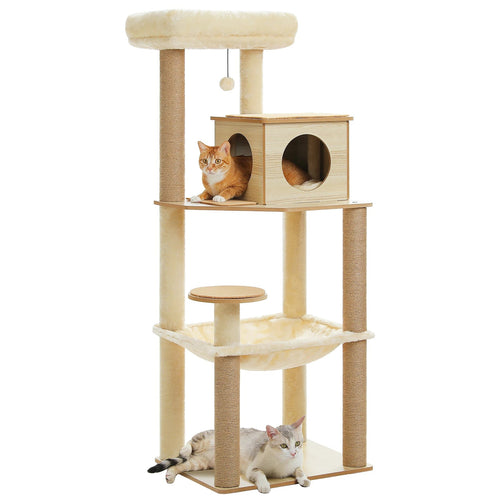
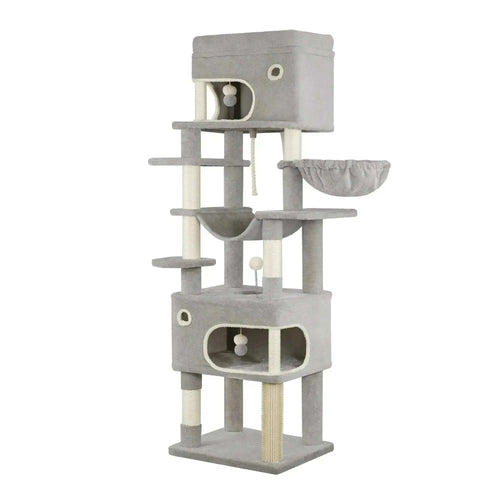
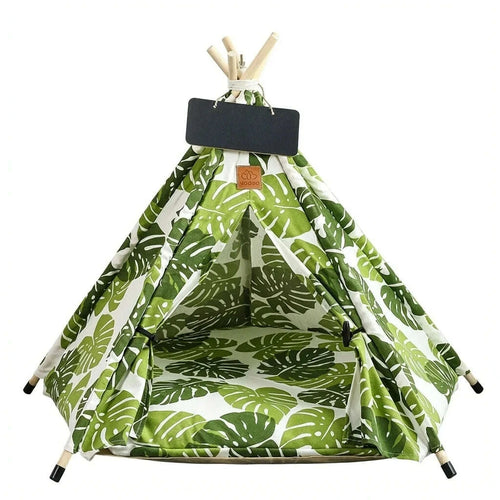
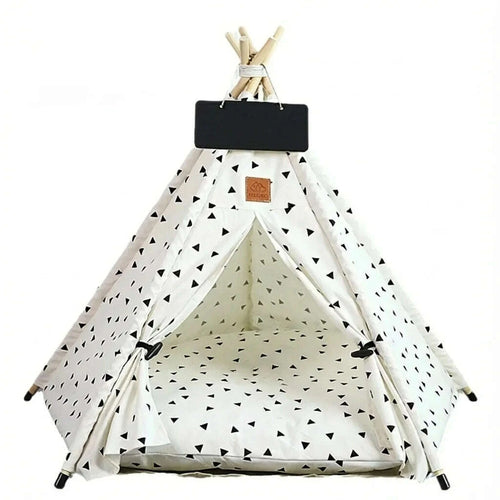
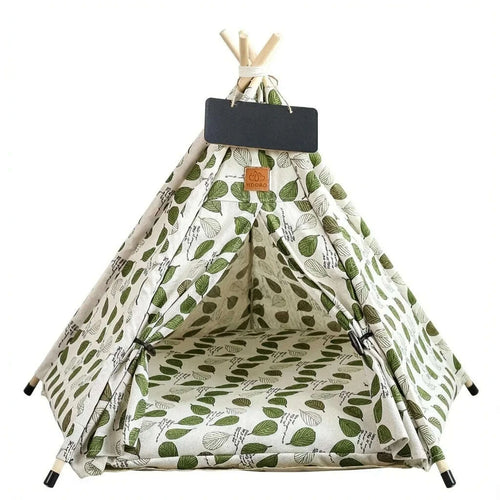
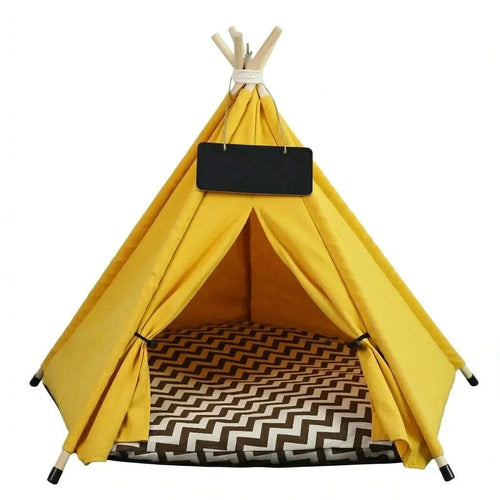
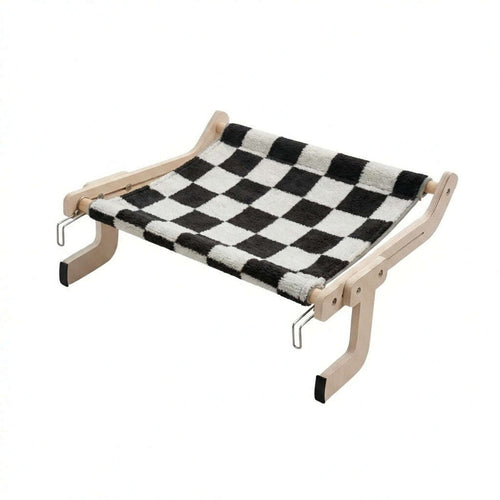
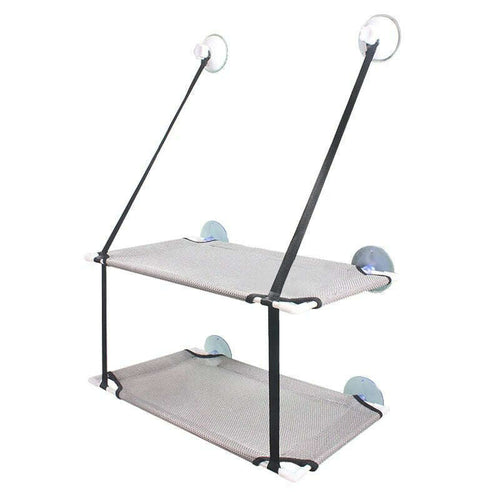
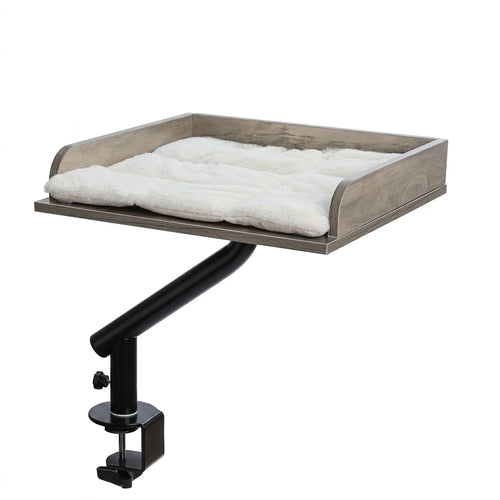
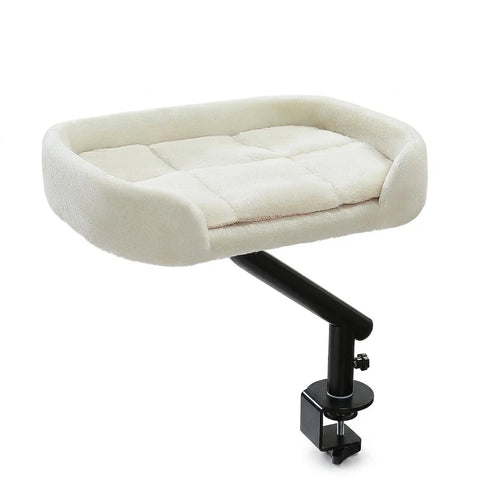
Size, shape, material: the right bed is the one that matches your cat’s build and the way they sleep. Here are three beds that cover the most common cases.
📚 Sources and References
- International Cat Care. Resources on feline welfare and environmental needs. icatcare.org
- Cornell Feline Health Center. Resources on feline health and behavior. vet.cornell.edu
- MSD Veterinary Manual. Normal behavior and welfare of the domestic cat. msdvetmanual.com
- Turner, D. C. & Bateson, P. (2013). The Domestic Cat: The Biology of its Behaviour. Cambridge University Press
- Bradshaw, J. (2013). Cat Sense
FAQ: Which Cat Bed Should You Choose?
-
Shy or anxious cats often prefer enclosed cat beds, since they create a cozy, cocoon-like feel and limit outside stimulation. More confident cats tend to favor open or cushion-style beds, which let them stretch out freely and keep an eye on their surroundings. The best choice really comes down to your cat's temperament and resting habits.
-
Yes, it's actually quite common for a cat to have several beds or sleeping spots. This lets them switch things up depending on temperature, season, and time of day. Some cats prefer a snug cocoon-style bed in winter, then move to a cooler, more open bed once temperatures rise.
-
The bed should be set up somewhere quiet, away from drafts and high-traffic areas. Cats especially love spots that are slightly elevated or close to a good vantage point, like a window or a sturdy piece of furniture. Avoid noisy locations so your cat can rest undisturbed.
-
Regular cleaning helps keep your cat comfortable and healthy. We recommend washing the cover or cushion every two to four weeks, depending on shedding and how much the bed gets used. Air out the bedding between washes too, to cut down on odors and dust buildup.
-
Yes, this is a very common behavior. Cats naturally gravitate toward the spots where they feel safest: the couch, a piece of furniture, a comforter, a rug… Even if the bed is comfortable, it can take time for your cat to adopt it. By adjusting its placement or adding a blanket with your cat's scent on it, they'll gradually start including it among their favorite resting spots.


Your cat’s well-being, our number one priority
A French team that lives with cats, products chosen for their instincts (climbing, scratching, watching, hiding) and over 100 guides written to help you choose well.
- Free deliveryFrance and Europe, no minimum
- Secure paymentCard, Apple Pay, PayPal, Shop Pay
- 30-day returnsSatisfied or refunded
- Expert advice100+ guides and tutorials, support in France
Our Products