British Shorthair Cat: Origin, Temperament, and Price

Sturdy, round, draped in fur so dense it feels like velvet, and crowned with copper eyes that seem to know everything: the British Shorthair is one of the most endearing cats around. Behind that unflappable teddy-bear look hides a calm, loyal, and surprisingly easygoing companion. Thinking about welcoming this British ball of fluff into your home? Discover its fascinating history, its one-of-a-kind personality, and the best way to give it a comfortable everyday life.
Origins and History of the British Shorthair
The British Shorthair is one of the oldest recognized cat breeds, and its story is closely tied to the history of England itself. Its ancestors are believed to be cats brought over by the Roman legions nearly two thousand years ago: sturdy and resourceful, they kept granaries and ships free of rodents. Over the centuries, these cats adapted to the damp climate of the British Isles, developing the short but remarkably dense coat that keeps them warm.
Everything changed around 1870. A passionate breeder named Harrison Weir decided to select the finest examples of these common street cats to establish them as a breed in their own right. The British Shorthair caused a sensation at the very first cat show in history, held at London's Crystal Palace in 1871, where the breed standard began to take shape. Its full cheeks, gentle expression, and plush coat left a lasting impression: legend even has it that this cat inspired the famous Cheshire Cat from Alice in Wonderland, with its enigmatic grin and reassuring roundness. After coming close to disappearing during the two World Wars, the breed was patiently rebuilt by breeders and today ranks among the most popular cats in the world.
British Shorthair: Personality and Temperament
Part of what makes the British Shorthair so beloved is its remarkably steady temperament. It's a calm and easygoing cat that dislikes unnecessary fuss and prefers to observe the world with the serenity of a wise old sage. Far from clingy, it has a real streak of independence: it will happily follow you from room to room and settle in nearby, but it will never demand constant attention.
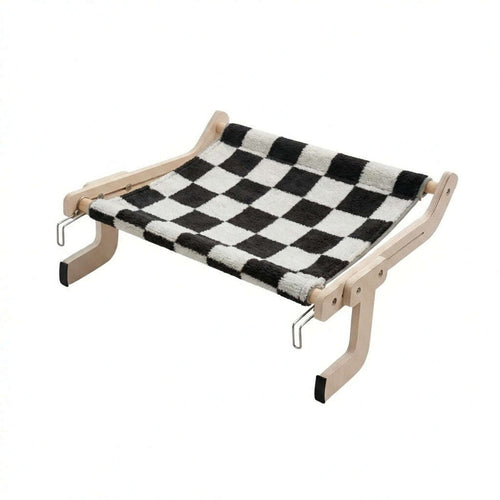
That taste for quiet observation? The Cat Window Perch with suction cups satisfies it without taking a centimetre of floor space, at €29.99, free delivery.
That reserve doesn't mean coldness, quite the opposite. The British Shorthair is deeply attached to its family and forms strong, lasting bonds with its humans. It simply expresses affection with restraint and elegance rather than through smothering cuddles. Many of them don't particularly enjoy being carried around for long stretches, preferring instead to curl up next to you whenever the mood strikes.
Patient, well-balanced, and rarely aggressive, it generally gets along very well with children, older adults, and other pets. Its legendary calm makes it an excellent companion for apartment living as well as life out in the country. With a quiet, unhurried intelligence, it thrives on routine and predictable surroundings where its naturally placid nature can fully shine.
British Shorthair: Size, Weight, and Appearance
There's no mistaking the British Shorthair for another breed. It's a large cat with a compact, powerful build and harmoniously rounded curves throughout. Adult males can weigh between 11 and 18 pounds, with females staying somewhat smaller. Its so-called "cobby" build is easy to spot: a stocky body, short sturdy legs, a broad chest, and solid bone structure.
Its perfectly round head is arguably its most iconic feature: full, well-defined cheeks (especially in males), a short muzzle, a small nose, and large round eyes, most often a stunning copper or orange shade that contrasts beautifully with the coat. It's this chubby-cheeked look that earned the breed its nickname, the "teddy bear" cat.
Its short, dense coat is a real standout feature. Without an excessive undercoat but remarkably thick, it has a plush, almost cottony texture that stands slightly away from the body. The most famous coat color is the iconic British Blue, a uniform blue-gray, but today the breed comes in a huge range of colors and patterns: cream, black, lilac, chocolate, tabby, tortoiseshell, colorpoint, and more. Sturdy and resilient, the British Shorthair also enjoys impressive longevity, with a life expectancy of 14 to 20 years when well cared for.
Curious to know your cat's age in human years? Our tool calculates it instantly.
British Shorthair Price
The price of a British Shorthair from a breeder typically falls in the range of $900 to $2,000. Several factors explain this sometimes significant gap from one kitten to the next:
- Bloodline: a kitten born to show-titled parents or intended for breeding usually costs more than a "pet quality" kitten.
- Coat and eyes: certain rare colors (lilac, chocolate, colorpoint) or particularly intense eye shades can drive the price up.
- Breeder standards: a registered breeder who runs health screenings and handles microchipping, vaccinations, and socialization for their kittens naturally factors that care into the price.
These figures are given for general guidance and reflect the going market rate among breeders; they are in no way a Le Félin sales price. Le Félin doesn't sell cats: our mission is to equip yours with accessories chosen for their comfort and well-being. Beyond the purchase price, don't forget the ongoing budget too: quality food, veterinary care, and equipment suited to a cat of this size.
Welcoming and Equipping a British Shorthair
Welcoming a British Shorthair means, above all, giving it a calm, comfortable setting that matches its temperament. Here are a few practical tips to get you started:
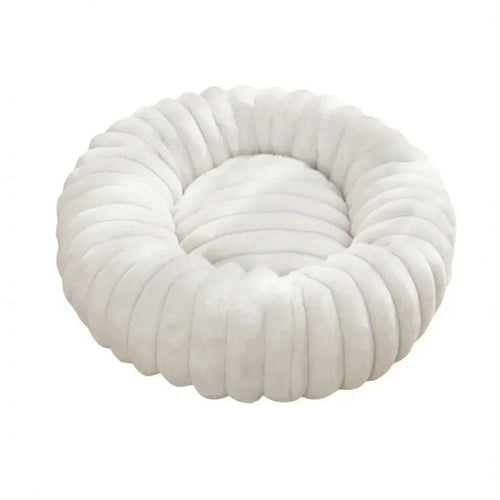
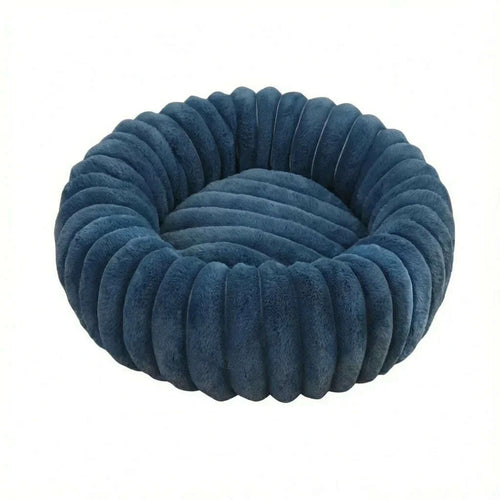
- A bed that fits. Large and rather homebody by nature, this cat spends a lot of time resting. Give it a spacious, plush cat bed roomy enough for its solid build without feeling cramped. Our cozy, generously sized cat beds are a perfect fit for a British Shorthair's frame.
- Regular coat care. Its dense fur needs brushing once or twice a week, a bit more during shedding season, to keep tangles and hairballs at bay.
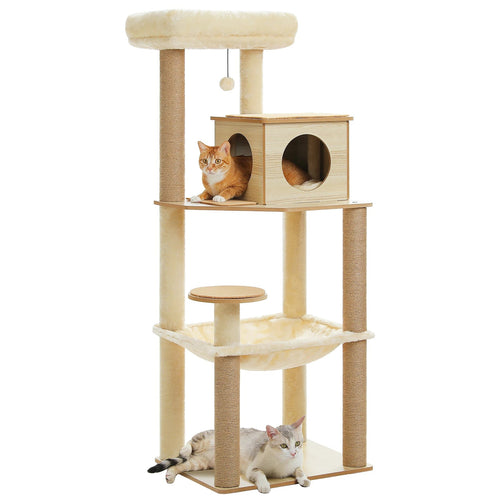
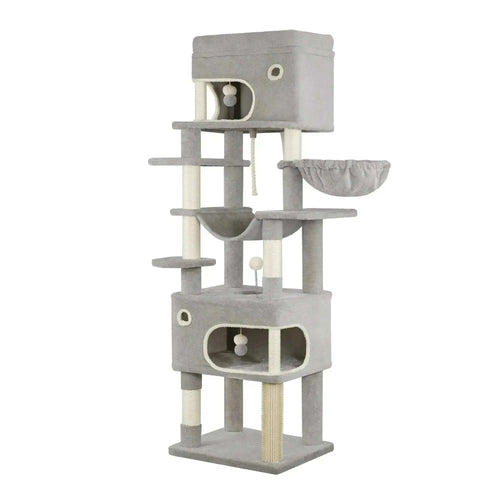
- Activity despite its laid-back nature. Not naturally athletic, the British Shorthair tends to gain weight easily. Keep it moving with short play sessions, scratching posts, and a sturdy cat tree.
- A cat water fountain. Like many cats, it sometimes doesn't drink enough. Fresh, moving water encourages it to stay hydrated, a real plus for protecting its kidneys over the long run.
- A stable routine. As a creature of habit, it will appreciate having its bowls, litter box, and resting spots set up in fixed, quiet spots around the house.
With a well-thought-out environment, your British Shorthair will reward you with many years of calm, affectionate companionship.
A legendary cat with a Cheshire grin, the British Shorthair perfectly embodies the quiet elegance of British breeds. If its story has won you over, continue the journey and discover how it fits into the wider feline family by exploring the cat breed family tree: a wonderful way to better understand the origins and connections among our four-legged companions.
Equipping a British Shorthair: our recommendations
An adult British Shorthair is heavy and lands hard. Choose a cat tree with a wide base and a load rating well above its weight, plus an XXL carrier for trips out.
- XXL Cat Tree for Maine Coon Cats — 185 cm tall, 53 × 42 cm base, rated for 60 kg — €139.99
- Sturdy Cat Tree for Maine Coon Cats — 170 cm, reinforced structure for heavy cats — €219.99
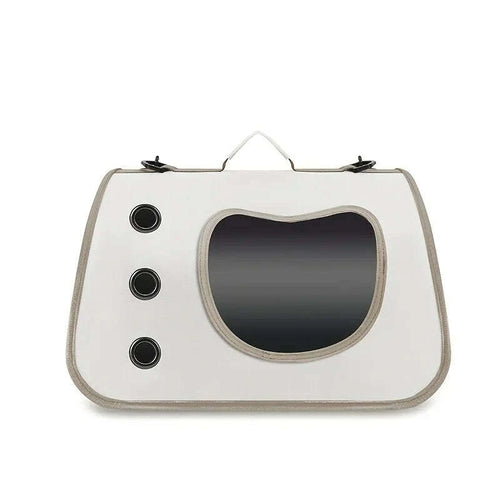
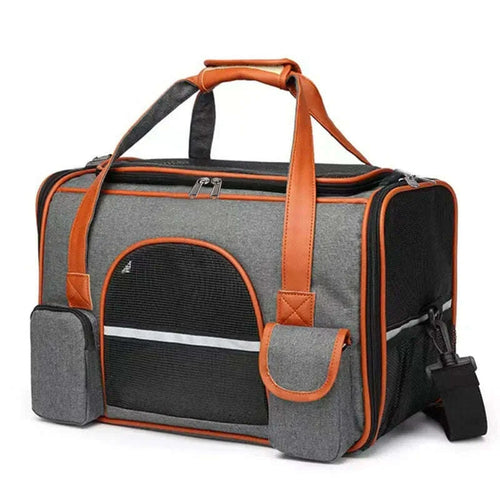
- XXL Cat Carrier — 45 × 25 × 28 cm, for vet visits — €79.99
See the whole collection → · Free delivery across France and Europe.
British Shorthair Breed Profile
Everything you need to know about the British Shorthair at a glance:
| Trait | Details |
|---|---|
| Origin | United Kingdom |
| Size | Male 11-18 lbs, female 9-13 lbs |
| Life expectancy | 14-20 years |
| Coat | Short, dense, "plush" texture (often blue) |
| Temperament | Calm, independent, gentle, and easygoing |
| Distinctive traits / health | Round face; prone to HCM, PKD, weight gain |
| Average price | $900-2,000 |
Settling your British Shorthair in at home
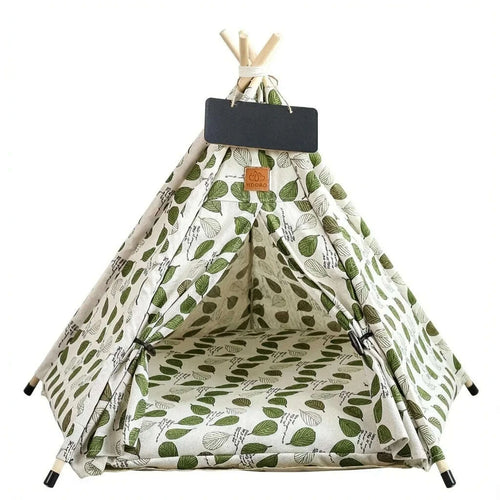
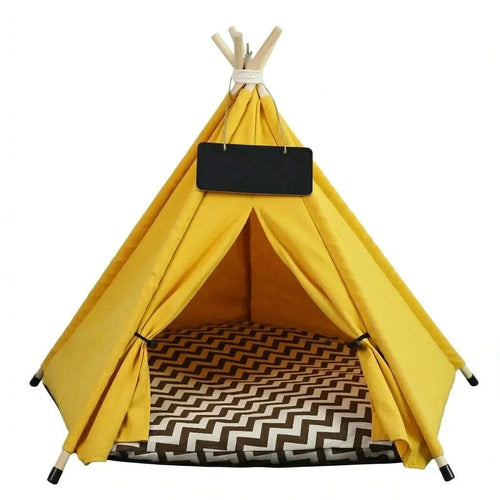
A laid-back cat spends most of its day sleeping and watching. Setting aside a few corners that are truly its own is enough to make those long years even more comfortable.
📚 Sources and References
- LOOF (French Official Cat Registry). Standard de race British Shorthair. https://loof.asso.fr
- TICA (The International Cat Association). British Shorthair Breed Profile. https://tica.org
- CFA (Cat Fanciers' Association). British Shorthair Breed Profile. https://cfa.org
- FIFé (International Cat Federation). Standard de race British Shorthair. https://fifeweb.org
- International Cat Care. British Shorthair. https://icatcare.org
- Encyclopædia Britannica. British Shorthair. https://britannica.com
Frequently Asked Questions About the British Shorthair
-
The British Shorthair is a remarkably steady cat, calm and easygoing, who'd rather watch the world go by with quiet serenity than demand constant attention. Deeply attached to their family, they form strong, lasting bonds with their humans, but express affection with restraint and elegance, never in a clingy way. Patient and rarely aggressive, they generally get along very well with children, older adults, and other pets.
-
A British Shorthair from a breeder typically costs between $900 and $2,000, depending on pedigree, coat color, and the breeder's reputation. It's best to work with a reputable, established breeder to bring home a healthy kitten. Le Félin doesn't sell cats and encourages you to do your own research with licensed breeders.
-
The British Shorthair is a large cat with a compact, powerful build: a stocky body, short sturdy legs, and a broad chest, all hallmarks of its "cobby" body type. Its perfectly round head, full cheeks, and big copper or orange eyes have earned it the nickname "teddy bear cat." Its short, dense coat, almost cotton-like in texture, comes in many colors, including the famous British Blue, that uniform, blue-gray shade.
-
Yes, the British Shorthair makes an ideal family companion thanks to its legendary calm and well-balanced temperament. It adapts equally well to apartment living or life in the country, and gets along nicely with children, older adults, and other pets. Its deep attachment to its humans, paired with a natural independence, makes it an easygoing cat that doesn't need constant attention to thrive.


Your cat’s well-being, our number one priority
A French team that lives with cats, products chosen for their instincts (climbing, scratching, watching, hiding) and over 100 guides written to help you choose well.
- Free deliveryFrance and Europe, no minimum
- Secure paymentCard, Apple Pay, PayPal, Shop Pay
- 30-day returnsSatisfied or refunded
- Expert advice100+ guides and tutorials, support in France
Our Products