Persian Cat: Origin, Personality, and Price

With its round face, amber gaze, and fur worthy of a royal court robe, the Persian has embodied the very image of the show-stopping cat for four centuries. Placid, homebody, and deeply attached to its humans, it turns a couch into a throne and a nap into a ceremony. But behind this aristocratic bearing hides a companion of rare tenderness, one that asks for a little attention and a lot of love. Here's everything you need to know before welcoming this legendary feline into your home.
Origins and History of the Persian
The Persian is one of the oldest recognized breeds, and its story begins far from Europe. Brought from Persia (present-day Iran) in the early 17th century, around 1620, this long-haired cat immediately captivated Western nobility with its abundant fur and regal bearing. Legend has it that the first specimens traveled in the luggage of merchants and diplomats, quickly becoming prized possessions in European drawing rooms.
Over generations, breeders refined its appearance to arrive at the archetype of the luxury cat we know today: flat face, silky fur, and a regal walk. The Persian isn't just an iconic breed, it's also a genuine genetic cornerstone. It's notably the ancestor of two beloved breeds: the Himalayan, the result of crossing with the Siamese to achieve the colorpoint pattern, and the Exotic Shorthair, nicknamed "the short-haired Persian." Understanding the Persian, then, means tracing the roots of an entire branch of the feline family tree.
Persian: Character and Temperament
While the Persian's looks are what first catch the eye, it's the temperament that melts owners' hearts. This is a placid, homebody, cuddly cat, worlds away from the restlessness of other breeds. It loves calm, dislikes noise and excessive movement, and far prefers an afternoon curled up on a plush cushion to a romp through the yard.
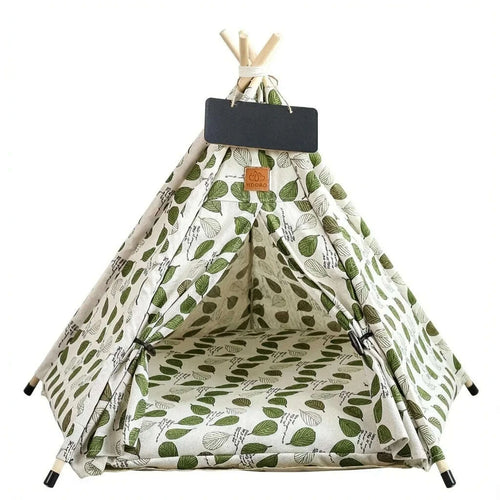
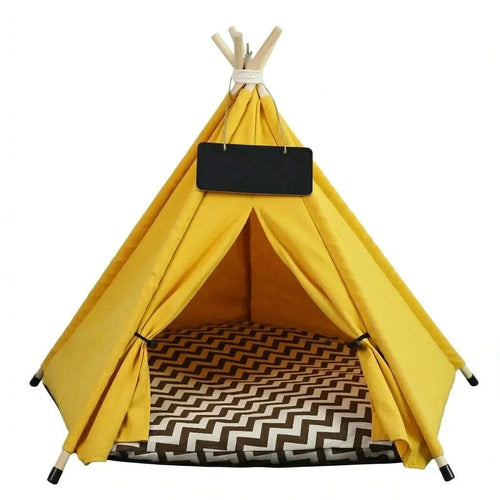
This homebody needs a corner of its own: the Cat Cave in chenille fabric gives it a semi-enclosed bed away from the noise, at €44.99, free delivery.
Gentle and unassuming, the Persian doesn't demand attention insistently: it waits patiently, then savors every pet with quiet gratitude. This composed nature makes it an ideal companion for apartment living, for seniors, or for quiet households. It adapts very well to indoor life, as long as it has a serene environment and regular moments of bonding.
One thing to keep in mind: behind its composure lies a sensitive heart. The Persian doesn't handle prolonged solitude or abrupt changes well. It needs a stable setting, consistent routines, and an affectionate presence to truly thrive.
Persian: Size, Weight, and Appearance
The Persian is a medium to large cat, with a stocky, powerful build set on short, sturdy legs. Its most recognizable feature is, of course, its long, dense, silky coat, which forms a spectacular ruff around the neck and a true mane over the entire body.
Its head is round and broad, dominated by large expressive eyes and a short nose that gives it that distinctive profile. Coat colors come in great variety: solid (white, black, blue, cream), tabby, tortoiseshell, or colorpoint. Each coat has its own shades, and certain lines are especially sought after.
As for longevity, the Persian has a life expectancy of 12 to 17 years, a rewarding companionship for those who provide attentive care. Because this splendor comes at a grooming cost: its coat requires daily brushing to prevent mats, and its large eyes need regular cleaning to prevent tearing. Rigorous grooming is the key to a healthy, always majestic Persian.
Find out your cat's age in human years with our conversion chart, from 1 to 20 years.
Persian Price
The price of a Persian from a reputable breeder generally falls in a range of €800 to €1,800. This range reflects market pricing and not a rate charged by our store. Several factors explain these differences:
- Bloodline: a kitten from show-winning parents or a prestigious pedigree falls at the higher end of the range.
- Coat and eyes: certain rare colors or particularly striking eyes drive up the value.
- Breeding practices: the quality of veterinary care, genetic testing, kitten socialization, and guarantees offered justify higher, but safer, prices.
Be wary of unusually low prices, often a sign of unscrupulous breeding or poorly monitored kittens. Always choose a registered, transparent, and passionate breeder.
Let's be clear: Le Félin doesn't sell cats. Our job is to equip yours with quality accessories: bedding, cat trees, water fountains, scratching posts, to give your Persian the comfort it deserves.
Welcoming and Equipping a Persian the Right Way
Welcoming a Persian means setting up a cozy nook suited to its homebody temperament. Since it spends much of its day resting, bedding is an essential investment. Choose bedding that's cozy, slightly elevated, and easy to maintain: a plush cat bed with a machine-washable cover will help keep its long fur clean and free of accumulated hair.
A few other practical tips for its well-being:
- Brushing: get a brush suited for long hair and establish a daily ritual from the moment it arrives, so it associates brushing with a pleasant experience.
- Hydration: a cat water fountain encourages this sometimes-lazy cat to drink more, which supports kidney function over the long term.
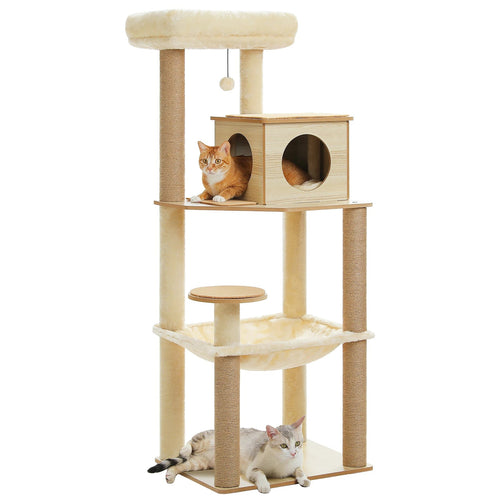
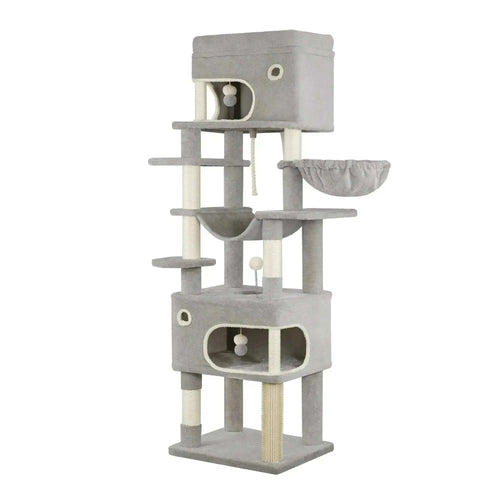
- Scratching post and cat tree: even as a homebody, the Persian enjoys moderate climbing and scratching. Opt for stable structures without dizzying heights, which don't suit it well.
- A quiet space: set up its things in a calm corner, away from foot traffic and noise, in keeping with its peaceful nature.
With the right environment and regular grooming, your Persian will reward you with years of purring and affection.
An elegant heir to the courts of Persia, the Persian has lost none of its splendor or gentleness. By surrounding it with the right care and the right accessories, you give this exceptional feline the royal life it deserves. And if its history fascinates you, keep exploring with the cat breed family tree: you'll see how this genetic cornerstone gave rise to so many other admirable breeds.
Equipping a Persian: our recommendations
The Persian is after warmth and quiet above all. A bed by the radiator, an enclosed cave or a high-rimmed basket suits it better than a big tree.
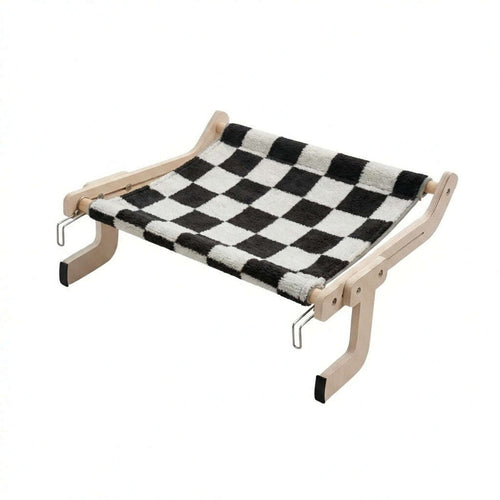
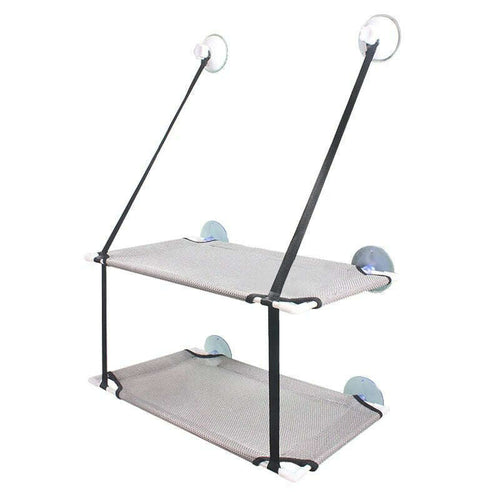
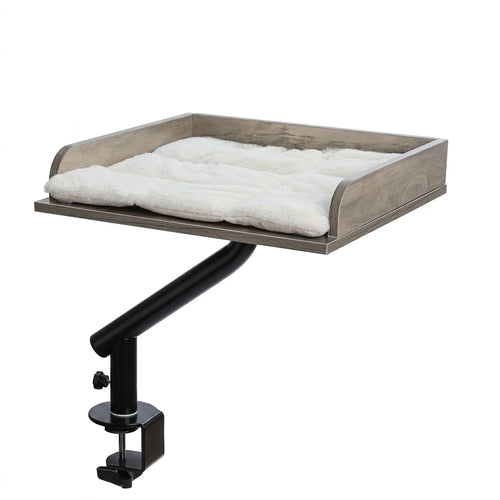
- Radiator Cat Bed — natural wood, hangs on the radiator without tools — €39.99
- Cat Cave — enclosed bed, 35 cm high, den effect — €44.99
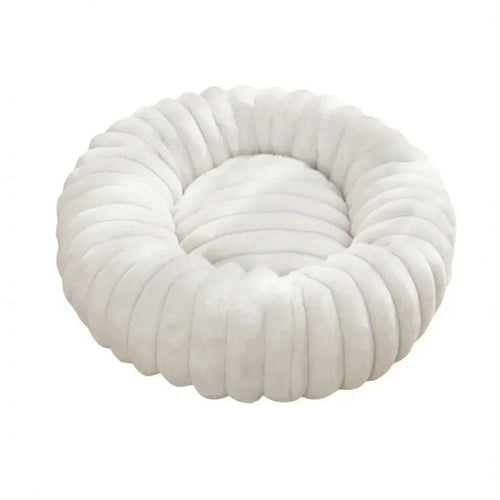
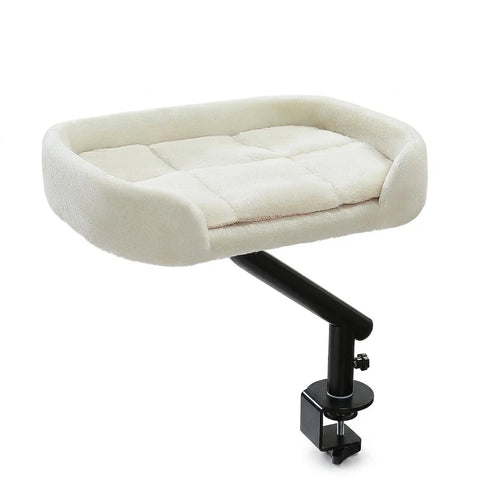
- White Cat Bed — ribbed plush fabric, high rims — €39.99
See the whole collection → · Free delivery across France and Europe.
Persian Cat Fact File
The essentials about the Persian, at a glance:
| Trait | Details |
|---|---|
| Origin | Persia (Iran), developed in Europe |
| Weight | 6.5-12 lbs (3-5.5 kg) |
| Lifespan | 12-17 years |
| Coat | Long, dense, needs daily brushing |
| Temperament | Calm, home-loving, gentle, and easygoing |
| Distinctive features / health | Flat face (brachycephalic); tearing, PKD, breathing difficulty |
| Average price | $800-1,800 |
Kitting out your Persian: comfort first
A Persian spends most of the day asleep, curled up somewhere quiet. Here are the beds that best suit that stay-at-home temperament.
📚 Sources and References
- LOOF (French official cat registry). Persian breed standard. https://loof.asso.fr
- TICA (The International Cat Association). Persian – Breed Standard. https://tica.org
- CFA (Cat Fanciers' Association). Persian Breed Profile. https://cfa.org
- FIFé (Fédération Internationale Féline). Persian – Breed Standard. https://fifeweb.org
- International Cat Care. Persian Cat Breed Profile. https://icatcare.org
Frequently Asked Questions About the Persian Cat
-
The Persian is a laid-back, home-loving, affectionate cat who loves peace and quiet and dislikes noise or commotion. It adapts beautifully to apartment life and is especially well-suited to calm households or older owners. Behind that cool exterior lies a sensitive heart: Persians don't handle prolonged solitude or sudden changes well, and they need a stable routine and an affectionate presence to truly thrive.
-
From a reputable breeder, a Persian typically costs between $800 and $1,800. This price varies based on the bloodline, coat color, eye quality, and how thorough the breeder's veterinary follow-up is. Important note: Le Félin does not sell cats, these figures are provided for reference to reflect current market pricing.
-
The Persian is a medium to large cat with a sturdy, low-slung build set on short, strong legs. It's known for its long, dense coat that forms a dramatic ruff around the neck, along with its round head, big expressive eyes, and signature short nose. Coat colors and patterns vary widely: solid, tabby, tortoiseshell, or colorpoint, and its lifespan runs 12 to 17 years.
-
Persians need a serene environment, consistent routines, and regular one-on-one bonding time to truly flourish. They don't handle prolonged solitude or sudden changes well, so it's essential to give them a calm, stable setting. Their coat also requires daily brushing and their large eyes need regular cleaning, making rigorous grooming a key part of their well-being.


Your cat’s well-being, our number one priority
A French team that lives with cats, products chosen for their instincts (climbing, scratching, watching, hiding) and over 100 guides written to help you choose well.
- Free deliveryFrance and Europe, no minimum
- Secure paymentCard, Apple Pay, PayPal, Shop Pay
- 30-day returnsSatisfied or refunded
- Expert advice100+ guides and tutorials, support in France
Our Products