Himalayan Cat: Origin, Temperament, and Price

Picture a cat that brings together the best of two worlds: the plush, luxurious coat of the Persian, and the striking colorpoint mask and hypnotic blue eyes of the Siamese. This dream feline exists, and it carries a name worthy of its majestic look: the Himalayan. A true living plush toy, deeply homebody and disarmingly gentle, this cat turns every couch into a throne and every cushion into a royal nest. If you're looking for a calm, elegant, affectionate companion for indoor life, let yourself be won over by this exceptional breed.
Origins and History of the Himalayan
The story of the Himalayan is one of a thoughtful, patient cross-breeding effort. As early as the 1930s, breeders became interested in the idea of uniting two prestigious breeds. But it was truly around the 1950s, in the United States and the United Kingdom, that the breed took shape in a structured way. Breeders had a bold goal: to produce a cat with the long, dense coat of the Persian, but showing the colorpoint pattern characteristic of the Siamese, meaning extremities (mask, ears, paws, tail) darker than the rest of the body.
The result of this selective breeding was spectacular: a cat with a Persian-like silhouette, adorned with striking blue eyes and a dark mask. The name "Himalayan" was chosen in reference to Himalayan animals that display this same type of coloring on their extremities, like certain rabbits. Depending on the cat fancier federation, the Himalayan is sometimes recognized as a breed of its own, and sometimes considered a colorpoint variety of the Persian. Either way, it has won over cat lovers around the world with its aristocratic charm.
Himalayan: Character and Temperament
While the Himalayan wins hearts with its looks, it keeps them with its personality. This is a cat with a calm, cuddly, homebody temperament: a true couch potato at heart. Far from the energy of sportier breeds, it loves nothing more than peace and quiet, long naps, and the calm company of its humans.
Deeply attached to its family, the Himalayan loves cuddles and closeness. It will happily follow you from room to room, not to demand wild play sessions, but to settle in near you and enjoy a shared quiet moment. Discreet and not particularly vocal, it's generally not overbearing. This gentle nature makes it an ideal companion for:
- people looking for an affectionate, soothing cat;
- quiet households, apartments, and indoor living;
- families with children who respect the animal's need for rest;
- seniors or remote workers looking for calm, steady company.
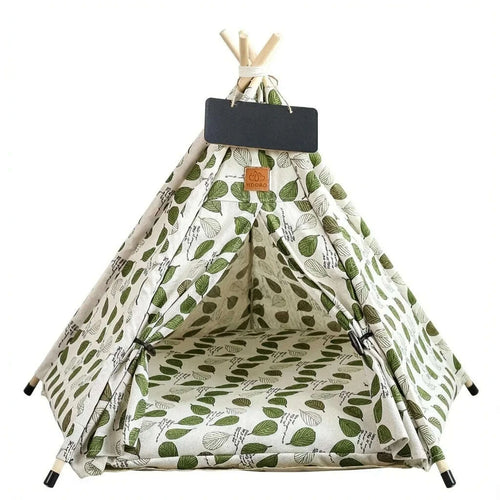
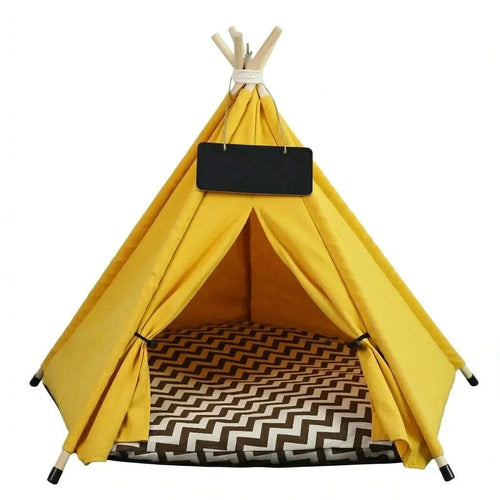
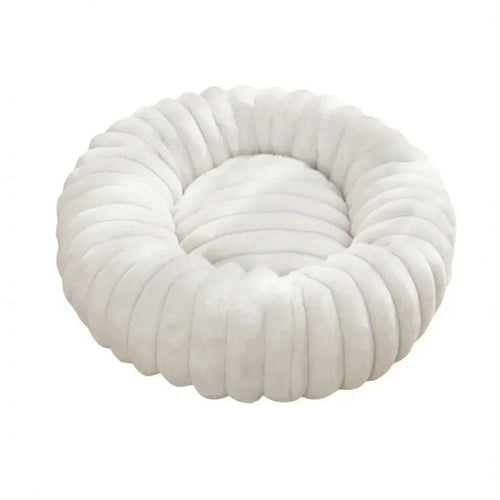
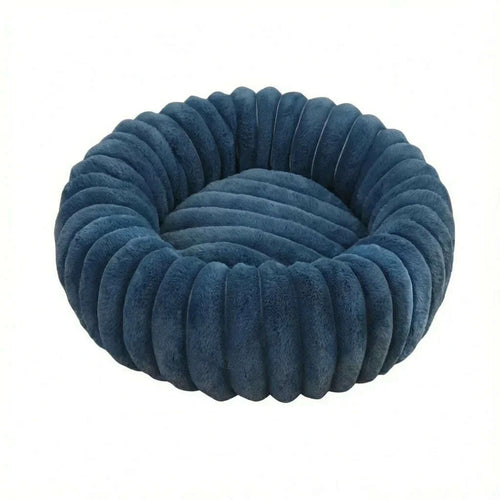
A homebody at heart, the Himalayan spends their days curled up: the Round Cat Bed gives them the reassuring cocoon they’re after, at €39.99, free delivery.
That said, its serenity doesn't mean it should be neglected. The Himalayan needs attention, affection, and a stable environment. Sudden changes or a household that's too loud can stress it out. On the other hand, in a reassuring, cozy setting, it truly thrives and becomes the most loyal of confidants.
Himalayan: Size, Weight, and Appearance
The Himalayan is a medium to large cat, with the round, compact silhouette typical of the Persian. Its sturdy body rests on short, strong legs, giving it a composed, almost regal gait. But it's obviously its coat that draws all the attention.
Its coat is long and dense, incomparably soft, with a full ruff around the neck. The coat shows the famous colorpoint pattern: a light body contrasting with darker extremities, available in many shades (seal, chocolate, blue, lilac, red, cream, and more). Its large blue eyes, intense and expressive, light up a face with a short muzzle and a broad forehead, framed by small rounded ears.
When it comes to health and longevity, the Himalayan has a life expectancy of 12 to 16 years. Like the Persian, its flat face can make it prone to certain respiratory or eye-related issues, and its coat requires rigorous upkeep. Daily brushing is essential to prevent tangles and limit hairball formation. Regular eye cleaning rounds out a care routine that, while demanding, is very much part of the joy of sharing your life with this gorgeous cat.
Curious about your cat's age in human years? Our tool calculates it instantly.
How Much Does a Himalayan Cost?
Adopting a Himalayan from a breeder represents a real budget. The average price generally falls between $900 and $1,800. This is a rough range observed in the breeder market, and it can vary quite a bit depending on several factors:
- bloodline: a kitten from award-winning parents or intended for showing will cost more;
- coat and point color, since some shades are more sought-after than others;
- the breeder's reputation and seriousness: veterinary follow-up, genetic testing, microchipping, vaccinations;
- how closely the cat matches the breed standard and the quality of care given to the kittens.
To make an informed choice, always favor a registered breeder who is transparent about their animals' health and socialization. Be wary of unusually low prices, which often signal questionable conditions. Note: Le Félin does not sell cats. Our mission isn't breeding, it's equipping and pampering yours with quality accessories designed for their everyday comfort and well-being.
Welcoming and Equipping a Himalayan
An indoor cat through and through, the Himalayan deserves an environment that matches its cozy temperament. To make it feel perfectly at home, a few setup essentials go a long way:
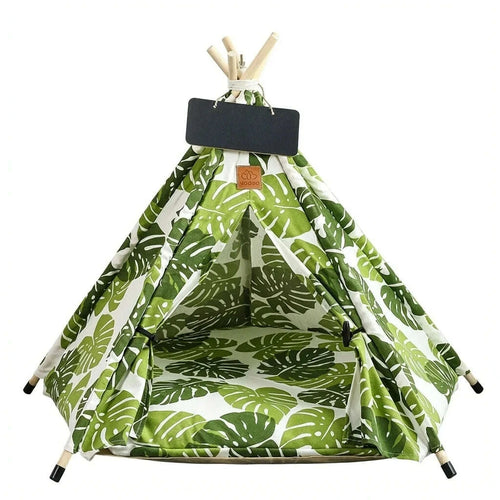
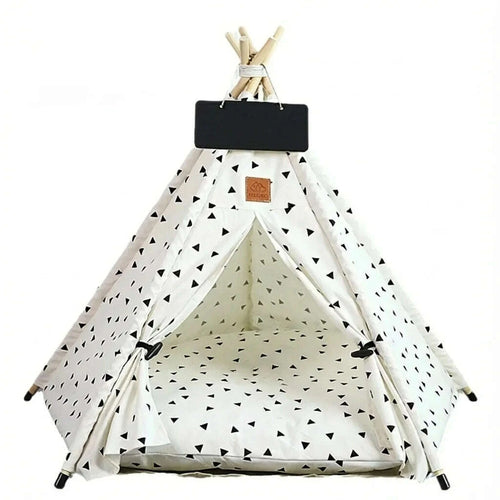
- A soft, warm resting spot: a couch potato at heart, it spends a large part of its day sleeping. Give it a cozy nest to curl up in with complete peace of mind. Check out our selection of cat beds designed for the comfort of long-haired breeds like this one.
- A cat water fountain: to encourage good hydration and support kidney function, which matters especially for homebody cats.
- The right grooming tools: quality brushes and combs are essential to maintain its long coat and prevent tangles.
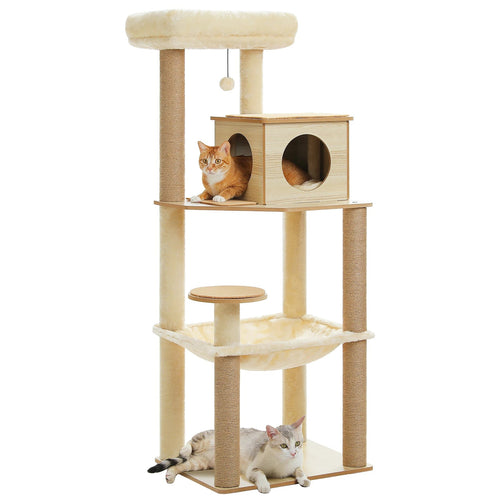
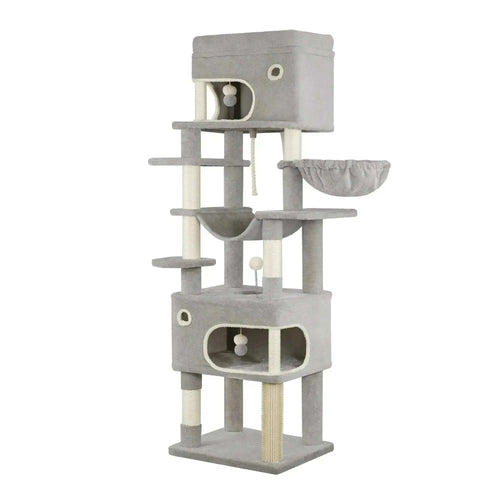
- A scratching post and a few accessible perches: even though it's not very athletic, it enjoys scratching and watching over its territory from a comfortable spot.
- A calm, stable space: away from drafts and commotion, to respect its need for quiet.
By taking care of its living environment, you give your Himalayan everything it needs to thrive: comfort, calm, and affection. A happy cat is one whose surroundings match its true nature.
The Himalayan is much more than a pretty face: it's a gentle, loyal, deeply endearing companion, ideal for anyone dreaming of a soothing presence at home. If its heritage between Persian and Siamese fascinates you, keep exploring and discover the links between cat breeds by browsing the cat breed family tree. You might just find your next four-legged favorite.
Equipping a Himalayan: our recommendations
The Himalayan is after warmth and quiet above all. A bed by the radiator, an enclosed cave or a high-rimmed basket suits it better than a big tree.
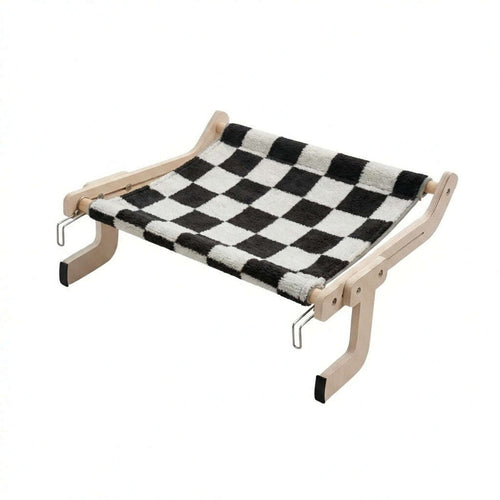
- Radiator Cat Bed — natural wood, hangs on the radiator without tools — €39.99
- Cat Cave — enclosed bed, 35 cm high, den effect — €44.99
- White Cat Bed — ribbed plush fabric, high rims — €39.99
See the whole collection → · Free delivery across France and Europe.
Himalayan Breed Profile
The essentials on the Himalayan at a glance:
| Criteria | Detail |
|---|---|
| Origin | United States / United Kingdom (Persian × Siamese) |
| Size | 6.5-12 lbs |
| Life expectancy | 12-16 years |
| Coat | Long, dense, colorpoint |
| Temperament | Calm, gentle, homebody, and placid |
| Distinctive trait / health | Colorpoint Persian with blue eyes; flat face, PKD, tearing |
| Estimated price | $900-1,800 |
Kitting out a Himalayan at home
Gentle, home-loving and fond of long naps, the Himalayan needs comfort at ground level more than height. Here are the essentials for setting up their corner.
📚 Sources and References
- LOOF (French Official Registry of Feline Origins). Breed standard – Persian and Himalayan. https://loof.asso.fr
- Cat Fanciers' Association (CFA). Persian breed standard (Himalayan division). https://cfa.org
- The International Cat Association (TICA). Himalayan breed standard. https://tica.org
- International Cat Care. Breed guide – The Persian cat (care, temperament, specific needs). https://icatcare.org
- MSD Veterinary Manual. Polycystic kidney disease in cats (hereditary condition common in Persians and Himalayans). https://msdvetmanual.com
Frequently Asked Questions About the Himalayan
-
The Himalayan has a placid, affectionate, homebody temperament, and above all values calm and the peaceful company of their humans. Quiet and not particularly vocal, they'll follow you from room to room to settle in nearby rather than to demand play. In a stable, reassuring environment, they become a loyal and loving companion.
-
The average estimated price for a Himalayan from a breeder generally falls between $900 and $1,800, though this range can vary considerably from breeder to breeder. Please note that Le Félin does not sell cats, and these figures are provided for informational purposes only, to help you better understand the breed.
-
The Himalayan is a medium to large cat with a round, compact build inherited from the Persian, along with short, sturdy legs. Their long, dense coat displays the breed's signature colorpoint pattern: a light-colored body contrasting with darker points in shades such as seal, chocolate, blue, or lilac. Their large, striking blue eyes, short muzzle, and broad forehead give them a look that's both majestic and expressive.
-
The Himalayan is especially well-suited to quiet households, apartment living, and an exclusively indoor lifestyle. They're a great fit for families with children who respect their need for rest, seniors, or remote workers looking for a calm, soothing presence. On the other hand, a too-noisy environment or sudden changes can stress them out, since they need a stable setting to truly thrive.


Your cat’s well-being, our number one priority
A French team that lives with cats, products chosen for their instincts (climbing, scratching, watching, hiding) and over 100 guides written to help you choose well.
- Free deliveryFrance and Europe, no minimum
- Secure paymentCard, Apple Pay, PayPal, Shop Pay
- 30-day returnsSatisfied or refunded
- Expert advice100+ guides and tutorials, support in France
Our Products