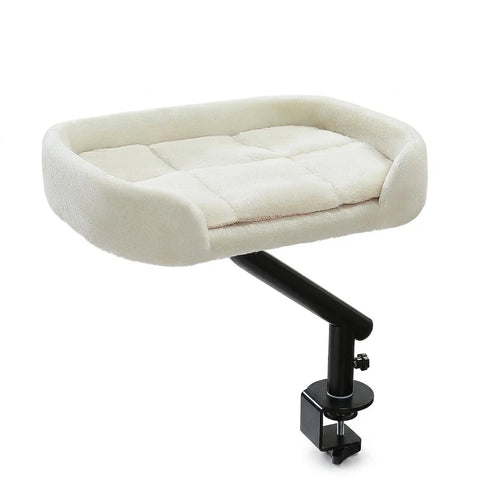
XXL Cat Bed: Made-to-Measure Comfort for Big Cats

Is your cat spilling over the edge of their bed, dangling their paws off the side, or turning up their nose at a bed that's just too small? Large cat breeds, Maine Coons, Norwegian Forest Cats, Ragdolls, or simply big-boned cats, need room to stretch out and curl up without feeling cramped. Get the size wrong on an XXL cat bed, and it's your cat's comfort (and sleep) that suffers.
Why Your Big Cat Needs a Bed Sized Right for Them
Choosing a standard cat bed when you share your life with a big cat is a recipe for disappointment: overflow, dangling paws, seams that give out. Most shops sell beds designed for a 3 to 4 kg cat. But a Maine Coon, a Ragdoll, or a chunky British Shorthair easily tips the scales at 6 to 9 kg and stretches out even longer once fully extended. XXL isn't a marketing gimmick: it's about real comfort and durability.
What an Undersized Bed Does to Your Cat
- Joint strain: a heavy cat forced to curl up constantly puts pressure on their hips and elbows, a real concern since large breeds are prone to arthritis.
- Poor temperature regulation: without room to stretch out, your cat can't fully extend to regulate their body heat.
- Bed rejection: if it's too tight, the bed gets ignored in favor of the couch.
Is your cat already spilling over the edges of its bed? The Large Cat Bed fits Maine Coon-sized cats with its high edges, at €29.99, free delivery.
What "XXL" Should Really Guarantee
A truly great XXL model combines a generous diameter (60 cm minimum), tall, firm sides that won't flatten under weight, and dense padding that won't compress after just a few weeks. Our round cat bed for large cats is sized precisely for these bigger builds, as is the Gray Cat Bed, whose raised sides offer a reassuring headrest for cats who love to curl up.
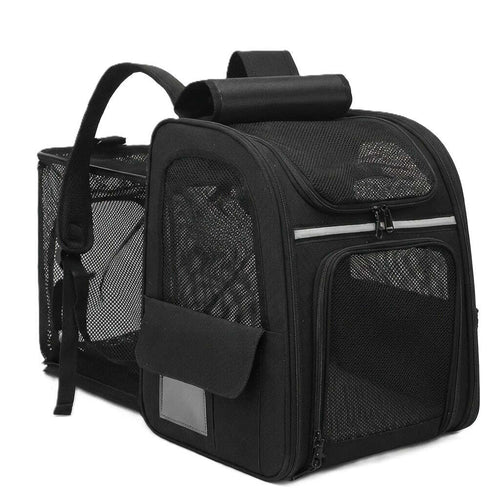
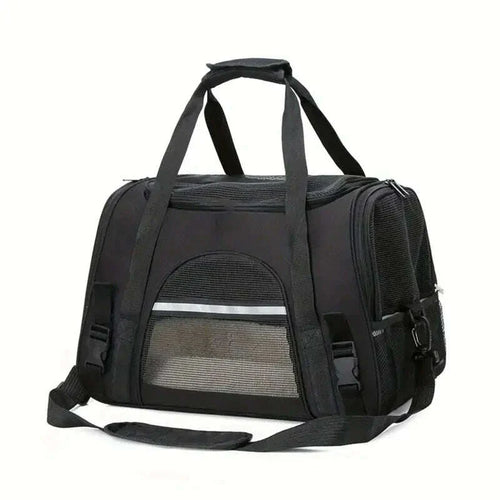
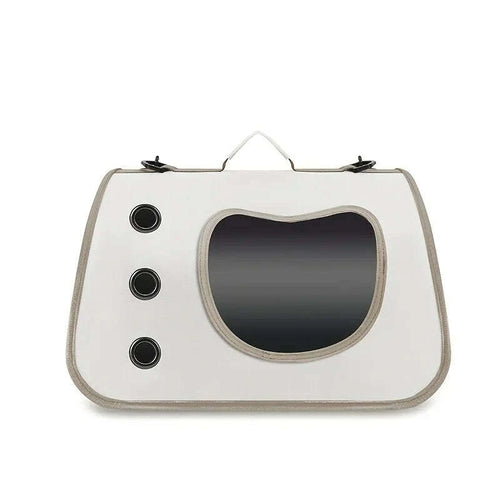
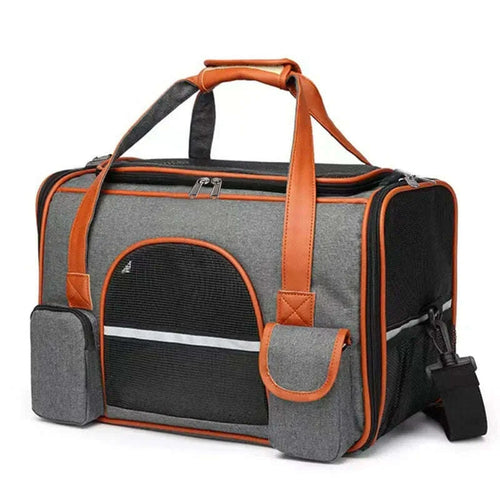
Also think about material based on use: a well-ventilated wicker cat bed for summer, and a properly sized cat carrier to avoid travel stress for a cat who, by definition, takes up more space.
Which Cat Bed Should You Choose for Your Big Cat? Types and Features
Not all cat beds are created equal once your companion tops 6 kg. For a round cat bed for large cats that's truly right for the job, what matters is the structure and interior diameter, far more than the "XXL" label slapped on by sellers. Here are the real factors that set them apart.
The Shapes That Make All the Difference
- The raised round shape: a 50 to 60 cm diameter lets a Maine Coon or British Shorthair sprawl out fully instead of curling up. That's the bare minimum for a large breed.
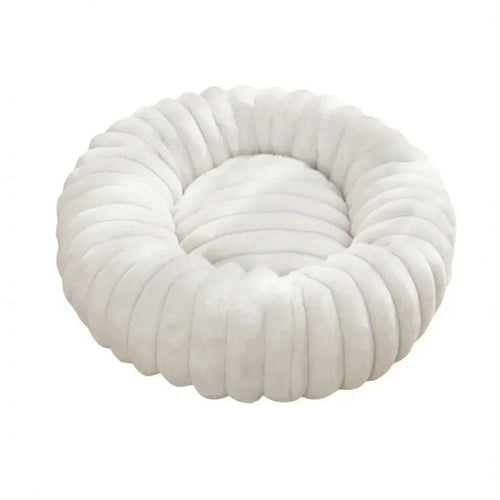
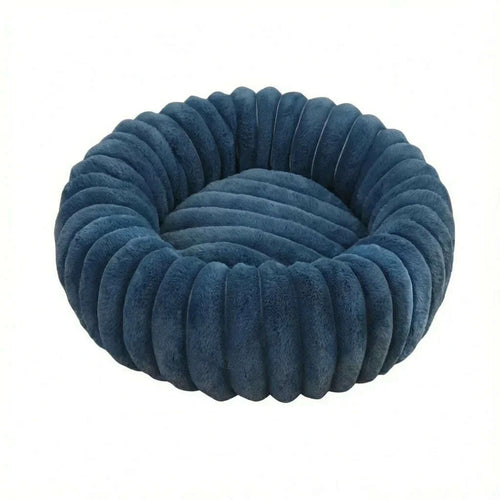
- The donut shape: a donut cat bed has tall, plush sides for resting their head on. Perfect for cats who like to feel wrapped up and secure.
- Reinforced wicker: a large wicker cat bed holds up over time under a heavy cat's weight, where thin plastic warps and deforms.
Features You Absolutely Need to Check
- Padding density: a cushion that's too thin flattens under a big cat and stops protecting their joints. Look for memory foam or thick filling.
- Weight capacity: few competitors mention this, but a stitched base and reinforced seams prevent sagging after just a few weeks.
- A removable cover: a big cat means more fur and more mess. A machine-washable cover is a must.
Keep sleeping gear separate from travel gear: an XXL cat carrier has to meet entirely different safety requirements. For everyday rest, browse our full range of cat beds and choose based on your cat's actual size.

What Size Cat Bed Does a Maine Coon (and Other Large Cats) Need?
Choosing an XXL cat bed isn't just about "going bigger": an adult Maine Coon often measures 90 to 110 cm long (tail included) and weighs 6 to 9 kg, while a typical domestic shorthair rarely tops 4 kg. Most guides overlook this basic size difference. Here are the concrete benchmarks other sites leave out.
The Right Measurements, Breed by Breed
- Maine Coon, Norwegian Forest Cat, Ragdoll: aim for an interior diameter of 55 to 70 cm. Your cat should be able to lie down fully without their paws or tail hanging over the edge.
- Savannah and Bengal (larger builds): prioritize depth and low sides, since these active cats hop in and out often.
- Senior or overweight cats: a removable-cover edge and a firm base make it easier to get up.
The simple rule: measure your cat from nose to tail base, then add 15 to 20%. A 60 cm Maine Coon needs a bed at least 70 cm in diameter. Too small, and they'll sleep curled up out of necessity, not comfort.
When it comes to shape, a round cat bed for large cats with raised sides reassures breeds that love to curl up, while an XXL Gray Cat Bed offers neck support that larger cats really appreciate. For a natural look that holds up to scratching, the wicker cat bed handles a heavy cat's weight well.
Finally, don't confuse sleeping gear with travel gear: for trips, an approved large-size cat carrier is still essential. For everyday rest, browse the complete selection of cat beds suited to large cats.
Where Should You Put Your Big Cat's Bed? Finding the Ideal Spot
Most advice on this topic stops at choosing the right cat bed and misses the essential part: an XXL bed in the wrong spot stays empty. With a larger model, placement matters even more, since its size draws the eye and takes up real floor space.
The Three-Factor Rule
A big cat looks for a lookout spot that combines warmth, quiet, and a clear view. So prioritize:
- A raised corner or a spot against a wall: your cat feels protected from behind, essential for bigger cats who like to survey the room.
- Near a gentle heat source: 1 to 2 m from a radiator or in a spot that catches morning sun, without overheating.
- Away from foot traffic: avoid entryways, hallways, and the litter box area. A large bed in a busy path will just get ignored.
Adjusting Based on the Bed's Shape
A donut cat bed or a round cat bed for large cats with tall sides fits perfectly into a corner: the raised edges act as a cushion and the wall provides backup support. A wicker cat bed, on the other hand, being more open and airy, works well in a bright living room where your cat likes to keep an eye on you.
Practical tip: place it wherever your cat already naps on their own. Watch where they nap for a few days, then set the bed up in that exact spot: they'll take to it almost instantly. Also, keep the cat carrier in a separate room so your cat never associates it with the stress of travel.
In Summary
Choosing a cat bed suited to a large feline means giving them a space where they can stretch out, curl up, and feel safe without ever feeling cramped. For Maine Coons, Ragdolls, and other big breeds, an XXL size isn't a luxury: it's a necessity. Whether you go for the natural charm of a wicker cat bed, the cozy roundness of the Gray Cat Bed, or the sturdiness of a round bed for big cats, the key is matching it to your cat's measurements and sleeping habits. Don't forget a generously sized cat carrier too, if you travel with them regularly: comfort shouldn't stop at home. Browse our full selection of cat beds now and find the one that will make every nap a moment of pure bliss for your big companion.
The right bed for a big cat
Your cat’s measurements and sleeping habits give you the answer: all that is left is finding the model that ticks both boxes. Here are our beds cut for large builds.
📚 Sources and References
- LOOF (French Official Cat Studbook). Breed standard – Maine Coon. https://loof.asso.fr
- FIFe (Fédération Internationale Féline). Breed standard – Norwegian Forest Cat. https://fifeweb.org
- TICA (The International Cat Association). Breed standard – Ragdoll. https://tica.org
- International Cat Care. Arthritis in cats. https://icatcare.org
- Cornell Feline Health Center. Resources on feline arthritis and joint health. https://vet.cornell.edu
FAQ
-
For a big cat, the bed should measure at least 1.5 times your cat's length, from the tip of the nose to the base of the tail. Most XXL beds offer interior dimensions of at least 60 x 45 cm, which suits cats over 6–7 kg. A bed that's too small keeps your cat from stretching out and hurts the quality of their rest.
-
The Maine Coon, which can weigh up to 10 kg and measure 80 cm long, needs a bed of at least 70 x 50 cm with reinforced edges. Memory foam models or rigid wood-frame designs are especially popular for how well they hold up over time. Look for brands that specialize in large breeds, like Trixie XXL, Kerbl, or Feandrea, which offer options built for these bigger frames.
-
Measure your cat lying on their side: note the body length (nose to base of the tail) and the width at the shoulders. Then add 10 to 15 cm to each measurement to get the minimum interior dimensions for the bed. If your cat likes to curl up in a ball, width is the most important measurement.
-
For a large cat, choose a rigid wood or sturdy plastic frame rather than a soft bed that sags under their weight. The base should be padded with at least 5 cm of dense foam to support their joints. A machine-washable fabric cover is a real plus for everyday hygiene.
-
A decent-quality XXL bed runs about $30 to $60 for fabric or reinforced wicker models. High-end options in solid wood or with memory foam can run $80 to $150. It's better to invest once in a sturdy bed than to keep replacing ones worn out by your cat's weight.
-
An open bed (basket-style) is ideal for cats who like to keep an eye on their surroundings and move freely, a common trait among sociable large breeds like the Maine Coon. A covered bed (igloo or hooded style) works better for anxious cats or those who like to hide away to sleep securely. For an XXL cat, make sure the entrance of a covered bed measures at least 20 x 20 cm so they can get in and out with ease.
-
Specialty pet retailers like Chewy, Petco, or PetSmart regularly run promotions on larger sizes. Marketplaces like Amazon or Walmart also offer a good selection of XXL models at competitive prices, along with helpful customer reviews for gauging durability. Keep an eye out for seasonal sales and promo codes from pet supply newsletters to save on premium models.
-
As a general rule, an XXL bed becomes necessary once your cat passes 6 to 7 kg, since standard models (usually designed for 4–5 kg) tend to lose their shape and offer inadequate support. Large-breed cats like the Ragdoll, Norwegian Forest Cat, or Maine Coon commonly reach 8 to 10 kg as adults and typically need an XXL size from their very first year.


Your cat’s well-being, our number one priority
A French team that lives with cats, products chosen for their instincts (climbing, scratching, watching, hiding) and over 100 guides written to help you choose well.
- Free deliveryFrance and Europe, no minimum
- Secure paymentCard, Apple Pay, PayPal, Shop Pay
- 30-day returnsSatisfied or refunded
- Expert advice100+ guides and tutorials, support in France
Our Products