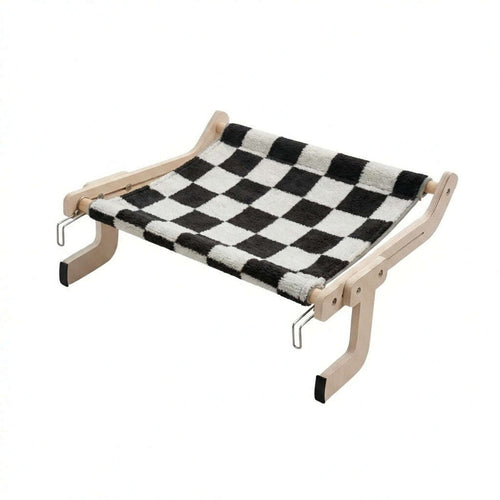
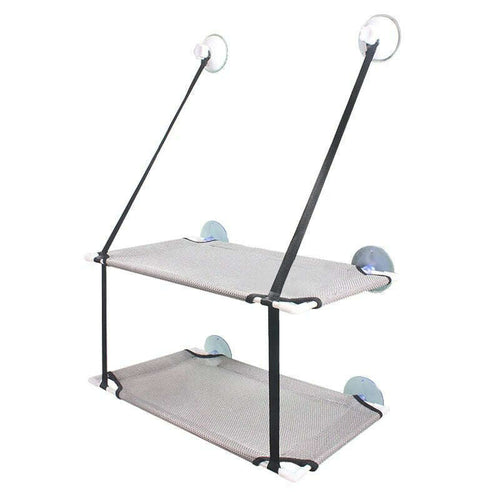
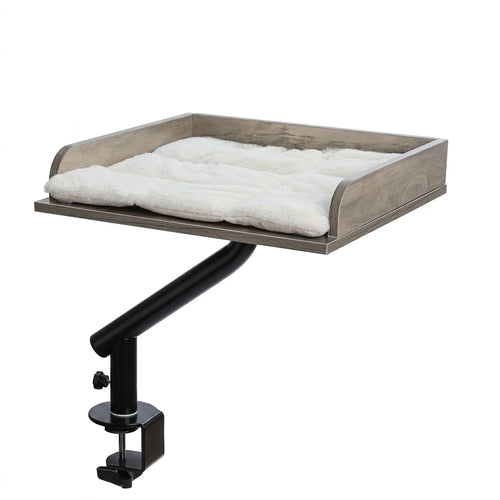
How to Install a Cat Window Perch in 5 Easy Steps

The cat hammock has become a must-have for indoor cats: it offers a cozy suspended bed, comfortable, elevated, with a view of the outdoors.
The cat window perch (or window-mounted cat hammock) lets your companion keep watch over their territory without cluttering your living room. In this tutorial, you'll learn how to install a cat window perch, step by step, while avoiding the classic mistakes around mounting, weight limits, and safety.
Step 1: Choose the Right Spot
Before you even mount your cat hammock, you need to pick the right window. This is a key step for a secure installation.
No window works in your home? A radiator is the best alternative, especially in winter: our guide window or radiator: which cat hammock to choose compares the two spots, and you can browse our selection of radiator cat beds.
-
Choose a large, smooth pane: no texture, no stickers, no decorative film. Suction cups grip far better on a perfectly flat surface.
-
Avoid windows you open wide all the time, especially French doors used as a walkway.
-
Check that there's nothing dangerous under the cat window perch: no toxic plants, no furniture with sharp corners, no hot radiator.
-
The ideal setup is a large fixed window or a tilt-and-turn window where the hammock doesn't get in the way of opening it.
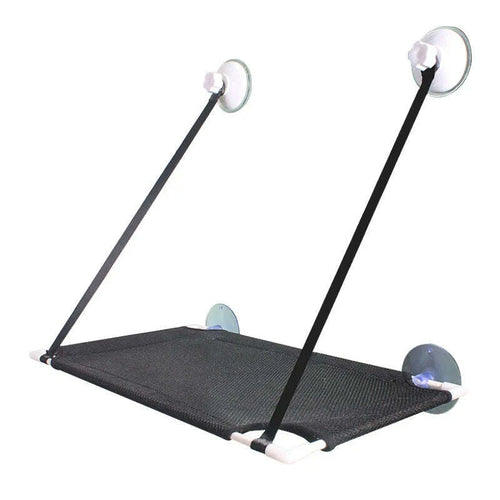
In a flat, the Suction Cup Cat Window Perch hangs on the glass without taking a centimetre of floor space, at €29.99, free delivery.
This is especially useful in an apartment: a cat window perch for indoor cats gives them a view of the outdoors without taking up floor space, unlike a cat tree.

Step 2: Clean the Window Thoroughly
How well the suction cups hold depends 80% on this step. For your cat window perch to really stay put:
-
Clean the area where you'll attach the suction cups with a glass cleaner.
-
Make sure to remove any film of dust, grease, or fingerprints.
-
Dry with a clean cloth until the surface is perfectly clean and dry.
A poorly cleaned window is the top cause of a cat window perch falling. If you have double glazing, the process is the same: what matters is that the inner surface is spotless so the sturdy suction cups grip properly.

Step 3: Prepare and Mount the Cat Hammock
Now for the heart of the step-by-step cat hammock tutorial.
-
Assemble the cat hammock following the instructions: rods, cables, frame, and bed fabric.
-
Lightly dampen the suction cups with a bit of lukewarm water or by blowing into them to release the air.
-
Position the suction cups on the window and press firmly from the center outward to push out air bubbles.
For a secure installation:
-
Check that the cables or rods are taut and properly clipped in place.
-
Follow the manufacturer's recommended distance between suction cups.
-
If your model is a no-drill cat window perch, make sure only the suction cups bear the weight, without being blocked by a window frame.
Installed this way, your cat window perch will be more stable and can truly stand the test of time, even for a cat that likes to jump on it all at once.

Step 4: Test the Strength Before Letting Your Cat Climb On
Never let your cat climb on it without testing it first. To check the safety of your cat window perch:
-
Press down first with your hand, then with your forearm, simulating the cat's weight (or even a bit more).
-
Watch for suction cups slipping, warping, or coming loose.
-
If a suction cup comes loose, start over from the cleaning step: window + suction cup + reattach.
The goal is to have a cat window perch that stays firmly in place, with no shifting or sliding.
Always follow the load capacity listed by the manufacturer: for a large cat or two cats, pick a model rated for a higher maximum weight. A cat window perch for large cats won't be built the same way as a model made for kittens.
Step 5: And There You Have It, Your Cat Hammock Is Set Up
Even if your setup looks flawless, some cats may still hesitate at first. To help them ease into it:
-
Don't force it: let your cat sniff around and take it in.
-
Add a small blanket or cushion carrying their scent (or yours) to help them feel reassured.
-
Place a few treats or a favorite toy in the hammock.
-
You can also rub the surface lightly with a bit of catnip to make it irresistible.
It's a great solution for indoor cats: they get to enjoy a cat window perch with a view of the outdoors, watching birds, passersby, the yard, and more. A true perch with a view that often becomes their favorite spot.

Safety Tips and Maintenance for Your Cat Window Perch
To keep your cat hammock secure for the long haul:
-
Check the suction cups regularly: if you spot air bubbles or any sign of loosening, remove and reattach them.
-
Clean the window and suction cups every few weeks to keep them gripping at their best.
-
Wash the hammock fabric according to the care instructions (by hand or in the machine) for a clean, comfortable spot to sleep.
Proper care of your cat window perch and its suction cups helps you avoid most issues. That way, you'll have a securely installed cat window perch for the long haul, suited to indoor cats and heavier felines alike, as long as you follow the weight guidelines.
Setting up your cat’s window corner
Once the hammock is up and tested, all that is left is choosing the model that really suits your cat and your window. Here are our most popular window beds.
📚 Sources and References
- International Cat Care. Indoor cats. icatcare.org
- International Cat Care. Cat Friendly Homes. icatcare.org
- MSD Veterinary Manual. Falls from Heights (High-Rise Syndrome) in Cats. msdvetmanual.com
- Turner, D. C. & Bateson, P. The Domestic Cat: The Biology of its Behaviour. Cambridge University Press
FAQ: Cat Window Perch, Frequently Asked Questions
-
Yes, as long as you pick a cat hammock whose maximum load exceeds your cat's weight. Look for listings labeled cat window perch for large cats or high capacity. Never let two cats climb onto a model designed for just one.
-
Suction-cup mounts can be very reliable if you follow the steps: a spotlessly clean window, clean suction cups, firm pressure when attaching, and regular checks. If you live somewhere humid or very dusty, clean more often to keep a cat window perch that stays firmly in place.
-
Large, smooth panes work best: bay windows, big fixed windows, tilt-and-turn windows. On textured glass or glass with a film, the hold may not be as good. For double glazing, there's no issue at all: what matters is the quality of the interior surface.
-
This is common at first. Give it time, and add a blanket, treats, a favorite toy, or even a bit of catnip. Place the cat window perch facing the outdoors where there's activity to watch (birds, the street, the yard). With these little tricks, most cats eventually take to their new hanging bed.


Your cat’s well-being, our number one priority
A French team that lives with cats, products chosen for their instincts (climbing, scratching, watching, hiding) and over 100 guides written to help you choose well.
- Free deliveryFrance and Europe, no minimum
- Secure paymentCard, Apple Pay, PayPal, Shop Pay
- 30-day returnsSatisfied or refunded
- Expert advice100+ guides and tutorials, support in France
Our Products