What's the Hairless Egyptian Cat Called? Meet the Sphynx

The hairless Egyptian cat is actually called the Sphynx. Despite this nickname referencing ancient Egypt, this fascinating breed actually originated in Canada. Its bare appearance is the result of a natural genetic mutation, requiring very specific skin care for this so-called Egyptian cat.
Why the Sphynx Is Called an Egyptian Cat
A Morphological and Historical Illusion
The popular name linking this hairless cat to ancient Egypt largely comes down to a powerful visual illusion. Seen in profile, a Sphynx's lean silhouette, high cheekbones, sculpted skull, and oversized ears immediately bring to mind the statues of feline deities from antiquity. What's more, when the breed was first registered in the 1960s, breeders named it the "Sphynx" as a direct tribute to the famous Giza monument. That's how the Egyptian cat image took hold, forever blurring the line with the true Egyptian cat (the Mau) in most people's minds.
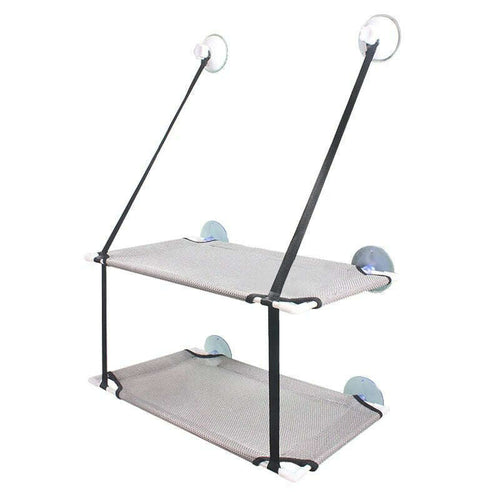
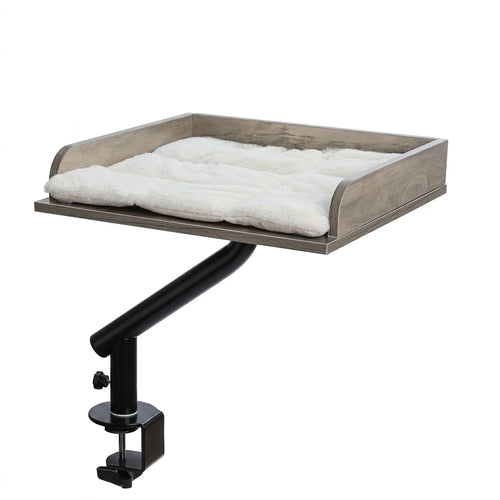
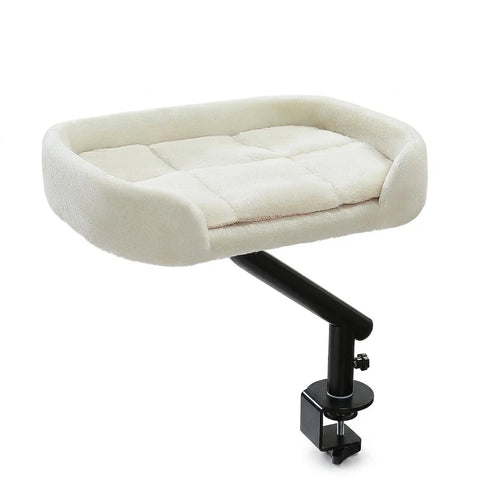
A cat without fur looks for warmth all year round: the Radiator Cat Bed hangs from your radiators in seconds, at €39.99, free delivery.
The Breed's True Canadian Origins
Despite all these Eastern references, this cat's origins are actually much colder. The breed's modern history begins in Toronto, Canada, in 1966. A short-haired stray cat gave birth to a completely hairless kitten named Prune, the result of a spontaneous, recessive genetic mutation. Breeders built the entire breed from that one kitten and a handful of similar cases. So searching for an authentic hairless Egyptian cat is, historically speaking, a mistake. This modern breed is the product of careful selective breeding now recognized by international bodies and experts at the Federation of Veterinarians of Europe.

What Is the Temperament of the Hairless Cat
A Clingy, Deeply Affectionate Temperament
If there's one area where this adopted Egyptian cat surprises people even more than with its unusual looks, it's in its behavior. The breed is famous worldwide for being extremely affectionate, sometimes bordering on emotional dependence. Often described as a "dog-cat," it greets its owners at the door, follows them from room to room, and craves constant physical contact. This need for closeness is partly tied to its hairlessness: human body heat provides real thermal comfort. It loves snuggling under blankets or perching on its owner's shoulders.
High Intelligence and Sociability
This cat's intelligence is remarkable. It quickly picks up household routines, understands simple commands, and can even be trained to fetch small objects. This so-called Egyptian cat is especially sociable: it typically gets along beautifully with other pets (dogs, cats) and is highly curious around visitors, a far cry from the aloof, skittish feline stereotype. That said, its deep need for companionship means it copes very poorly with prolonged solitude. If you're away all day, it's essential to provide a stimulating environment or the company of another animal.

How to Care for a Hairless Cat's Skin
Managing Sebum Through Bathing
The lack of fur on this Egyptian cat considerably changes its grooming routine. In a typical cat, the sebum produced by the skin is absorbed by the fur. In this breed, that natural oil builds up directly on the skin's surface, which can leave a greasy feel and brownish marks on upholstery or on the cushions of its Maine Coon cat tree. Regular baths are essential to keep this in check. The European Society of Veterinary Dermatology (ESVD) recommends using a very gentle dermatological shampoo specially formulated not to disrupt the pH of its delicate skin. Thorough rinsing and immediate drying with a warm towel are a must to prevent it from catching a chill.
Thermal, Sun, and Eye Protection
This unusual Egyptian cat's skin vulnerability goes well beyond hygiene. Its bare skin is directly exposed to outside elements. In winter, or in air-conditioned homes, it struggles to regulate its body temperature. In summer, the danger comes from the sun. Just like humans, it's prone to sunburn and even melanoma if exposed without protection. Vets recommend applying a pet-safe sunscreen to exposed areas if it has access to a balcony or naps behind a sunny window. Finally, since it has no eyelashes to filter out dust, its eyes need regular cleaning with saline solution.

Which Cat Tree Is Best for an Egyptian Cat
Prioritizing Thermal Comfort Above All
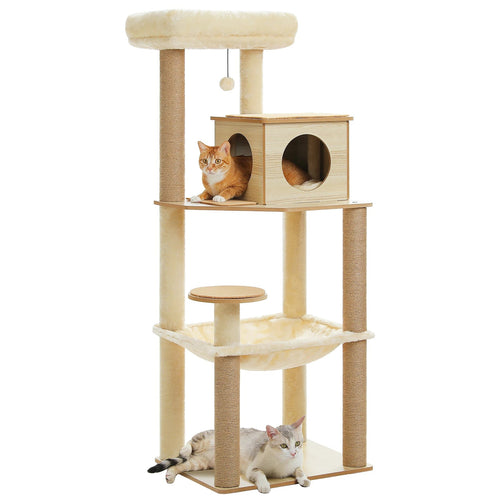
Choosing a cat tree for this hairless Egyptian cat comes with a few specific rules. Since it's constantly trying to conserve body heat, the materials used in its furniture need to be highly insulating and cozy. Avoid platforms covered in thin fabric or cold synthetic materials. To keep it warm while still complementing your décor, a dense, light-colored plush covering, like a beige cat tree, is an excellent choice. In fact, a Maine Coon cat tree typically comes with oversized, extra-thick platforms, perfect for trapping the body heat it gives off during naps.
Enclosed, Secure Resting Areas
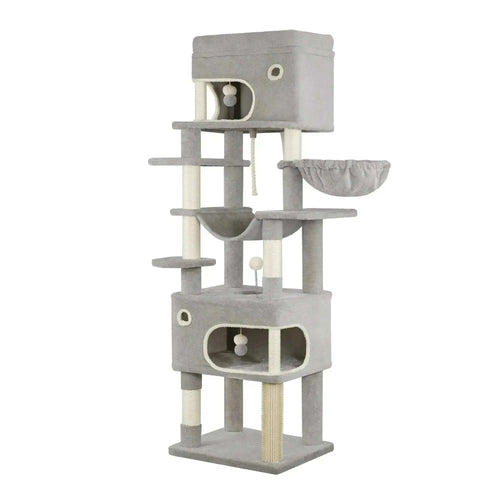
Beyond temperature, this Egyptian cat particularly enjoys enclosed spaces where it feels shielded from drafts. That's why investing in an XXL cat tree, traditionally reserved for larger breeds, is a smart move: these models feature extra-deep hammocks and roomy enclosed hideaways that make perfect cocoons. In fact, many breeders recommend a Maine Coon cat tree for the Sphynx, since a Maine Coon cat tree's sturdy build easily supports adding extra heated blankets. If you prefer a darker, more modern look for your living room, a gray Maine Coon cat tree offers the exact same comfort and rock-solid stability for your hairless feline.

A home designed for a hairless cat
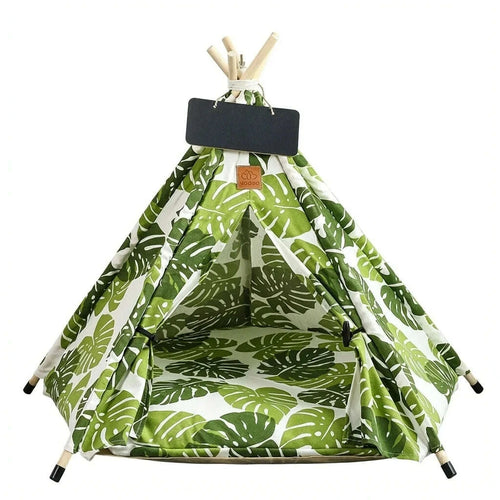
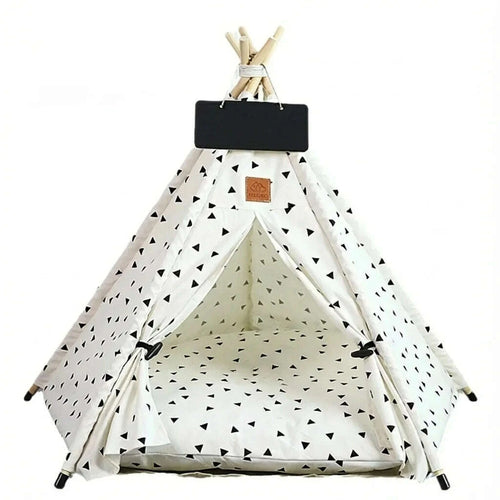
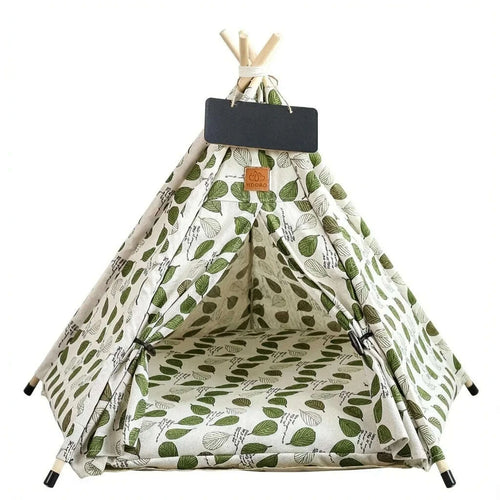
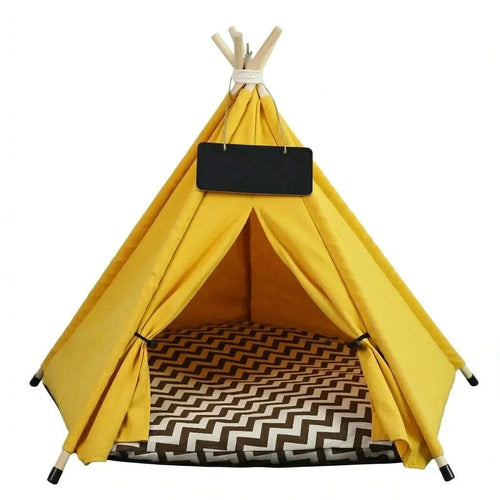
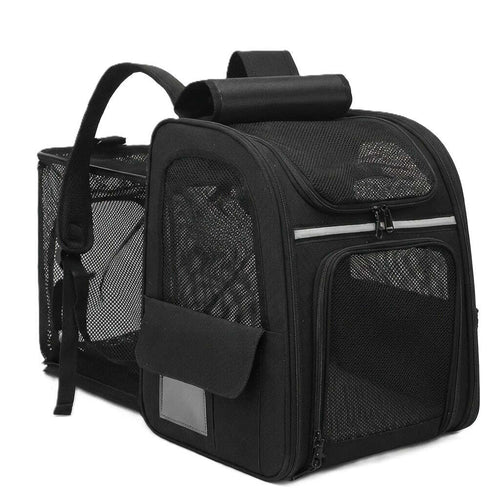
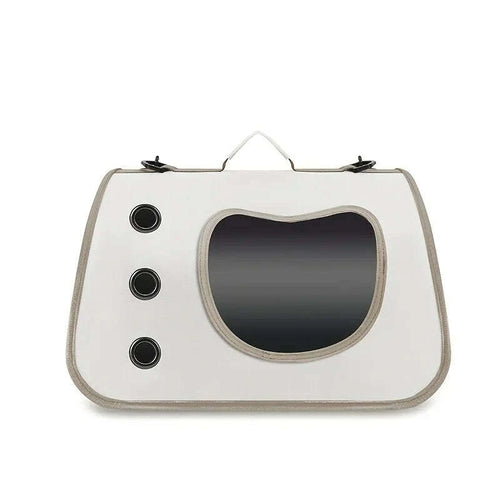
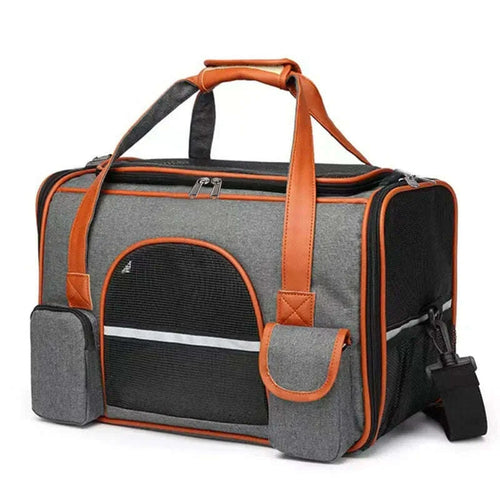
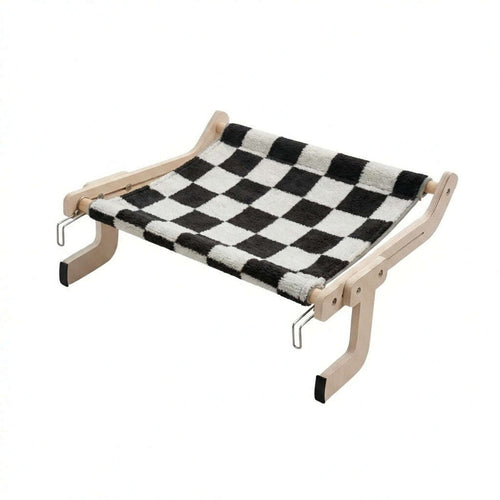
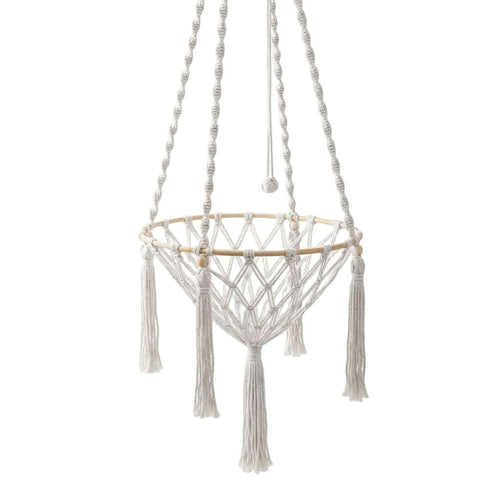
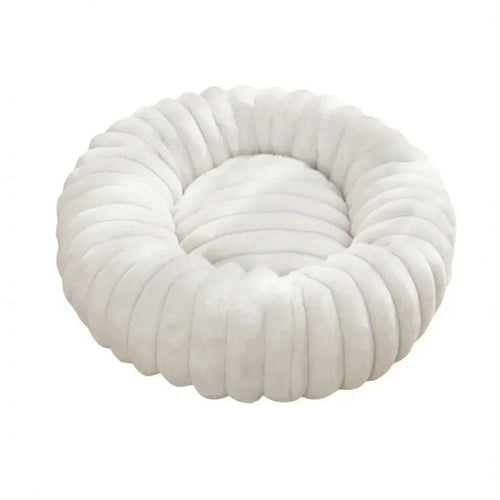
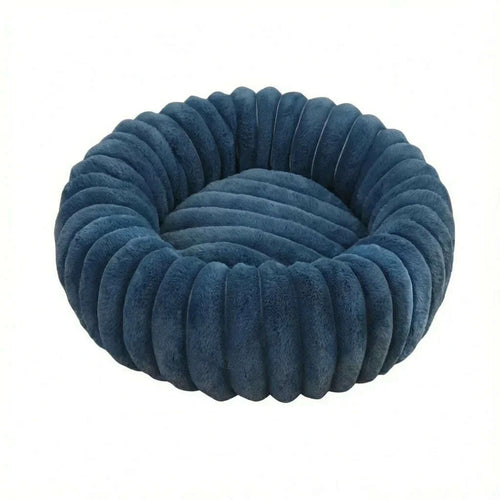
Adopting a Sphynx means accepting a cat that gets cold, leaves greasy marks on its fabrics and sleeps pressed against you. Three beds that answer those three daily realities.
📚 Sources and References
- LOOF (French Official Cat Pedigree Registry). Sphynx breed standard. https://loof.asso.fr
- TICA (The International Cat Association). Sphynx breed standard. https://tica.org
- CFA (Cat Fanciers' Association). Sphynx breed profile. https://cfa.org
- International Cat Care. Sphynx breed profile (specific skin care). https://icatcare.org
- Driscoll, C.A. et al. (2007). The Near Eastern Origin of Cat Domestication. Science. https://science.org
FAQ - Hairless Cat
-
This is a very common misconception. No breed is 100% hypoallergenic. Human allergies are mainly caused by the Fel d1 protein, found in a cat's saliva and skin oils. Since this hairless Egyptian cat still grooms itself and produces sebum, it can still trigger reactions in highly sensitive people, even though the lack of loose hair around the house cuts down on allergen spread.
-
It has a slightly higher body temperature than other breeds, which partly makes up for its lack of fur. That said, it really is much more sensitive to temperature swings and hates cold or damp environments.
-
Generally speaking, yes. To keep its body temperature higher without the insulation of a fur coat, its metabolism burns more calories. That means it usually has a bigger appetite and needs a rich, energy-dense diet, while still watching its weight to avoid obesity.
-
The lack of fur applies inside its ears too. Without that natural protective filter, earwax and debris build up much faster. Weekly ear cleaning with a suitable cleansing solution is recommended.
-
Like any rare breed that's hard to raise, the upfront investment is significant. This one-of-a-kind Egyptian cat typically costs between $1,200 and $2,000, and you'll also want to budget a meaningful monthly amount for its special diet and skin care products.


Your cat’s well-being, our number one priority
A French team that lives with cats, products chosen for their instincts (climbing, scratching, watching, hiding) and over 100 guides written to help you choose well.
- Free deliveryFrance and Europe, no minimum
- Secure paymentCard, Apple Pay, PayPal, Shop Pay
- 30-day returnsSatisfied or refunded
- Expert advice100+ guides and tutorials, support in France
Our Products