Bengal Cat 101: Temperament, Price, and F1 to F4 Generations Explained

Picture a miniature leopard slinking through your living room, batting at its cat bowl just for the fun of it, and waking you up at dawn because it's decided the day starts right now. Welcome to the world of the Bengal, a spotted-coat cat that's as fascinating as it is exhausting. Wild in looks, deeply domestic at heart, the Bengal is no ordinary cat: it's a true bundle of adventurous energy. Before you fall for this little wildcat, let's take the time to really get to know it.
Origins and History of the Bengal
The Bengal is a relatively young breed, officially established in the United States in 1986. Its story, however, begins a few decades earlier, the result of a bold experiment: crossing a domestic cat with the Asian leopard cat (Prionailurus bengalensis), a small wild feline whose rosette-covered coat gave the breed its name.
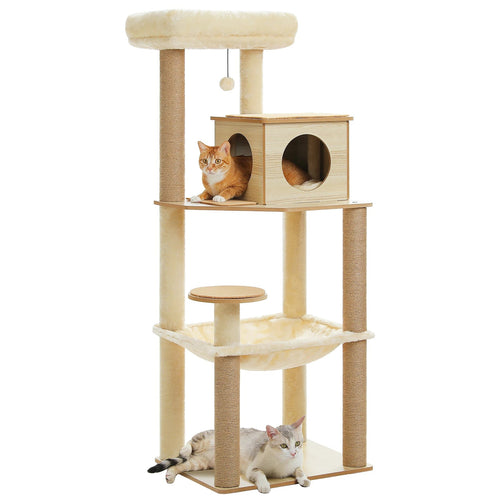
A Bengal needs height, not a garden: the adjustable Ceiling Cat Tree gives it a vertical run from floor to ceiling, at €119.99, free delivery.
Breeders weren't trying to capture wildness, they wanted to elevate it: a companion with the spectacular look of a wildcat, while keeping a sociable temperament and a strong bond with people. After several generations of careful selective breeding, the breed stabilized in the 1980s. Today's Bengals are known as "SBT" (Stud Book Tradition), meaning they come from several generations of Bengal-to-Bengal breeding, are fully domestic, and are recognized by feline registries. That hybrid past alone explains the boundless energy and larger-than-life personality of this "leopard in your living room."
Bengal Temperament and Personality
If you're looking for a laid-back cat that sleeps twenty hours a day on the couch, look elsewhere. The Bengal is hyperactive, playful, and a born adventurer. It's a tireless explorer that climbs to the top of furniture, opens cabinets, surveys the world from up high, and demands near-constant stimulation.
Its intelligence is remarkable. Many Bengals learn to fetch a ball, walk on a harness, even open doors, for better or worse. That mental sharpness comes with a constant need for interaction: the Bengal bonds intensely with its family and hates boredom. A bored Bengal is a Bengal that gets into mischief.
- Sociable and chatty: it happily "talks" to its humans through a wide range of meows.
- A water lover: a trait inherited from its wild ancestor, it loves playing with a dripping faucet or splashing around.
- Endlessly energetic: it needs to burn off energy several times a day to truly thrive.
This is an ideal cat for people who have time on their hands, love to play, and are ready to invest energy into their pet. It generally gets along well with active kids and other animals, as long as it's properly socialized.
Bengal: Size, Weight, and Appearance
The Bengal is a large cat, muscular and athletic, with a sleek silhouette that instantly hints at its sporty nature. Its long, powerful body gives it a fluid gait, almost feline in the wildest sense of the word.
But it's the coat that's truly its signature. Its short fur is densely covered in rosettes, two-toned spots with an edge darker than the center, often described as "golden" by enthusiasts. Some Bengals also show a flowing marbled ("marble") pattern. The coat sometimes has a sparkly effect known as "glitter," which makes it literally shimmer in the light. Soft and low-maintenance, this coat only needs a weekly brushing.
In terms of lifespan, the Bengal generally enjoys good overall health, with a life expectancy of 12 to 16 years. As with any breed, regular veterinary checkups and attention to certain hereditary predispositions are still recommended.
To find out what those years really mean for your cat, check out our cat age in human years chart.
Bengal Cat Price
Adopting a Bengal from a breeder is a serious investment. On the market, the average asking price typically falls between $1,000 and $2,500. This range reflects the going rate among breeders rather than a fixed price: several factors can make the amount vary.
- Bloodline: a kitten from award-winning parents or prestigious lines will sell for more.
- Coat: certain colors and the quality of the rosettes (contrast, sharpness of pattern) strongly affect the price.
- Breeder standards: a registered breeder who runs genetic testing, vaccinates, microchips, and socializes their kittens can justify a higher price, a sign of health and well-being.
An unusually low price should always raise a red flag: it often hides poor breeding conditions. To be clear about our role: Le Félin does not sell cats. We are not a breeder and do not offer any animals for adoption. Our job is to equip your cats with accessories designed for their well-being.
Welcoming and Equipping a Bengal
Welcoming a Bengal means, above all, setting up an environment that matches its energy. Otherwise, your curtains and shelves will pay the price. Here's what you need to know to keep the peace at home.
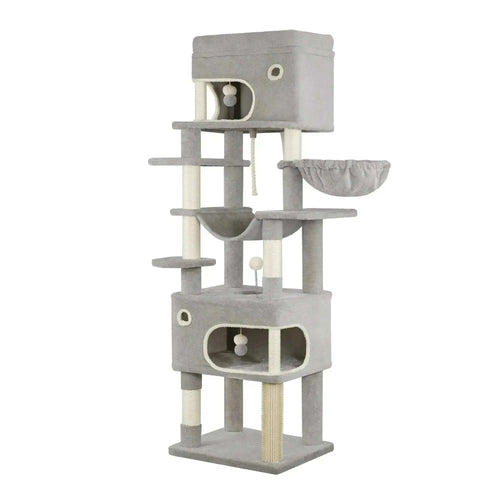
- Vertical space, always: the Bengal needs to climb and rule over its territory. A large, sturdy XXL cat tree, built for big cats, is likely the single most important investment for this breed.
- Sturdy scratching posts: to channel its need to scratch and protect your furniture.
- A cat water fountain: given its love of running water, a fountain encourages it to drink more and keeps it entertained in a healthy way.
- Interactive cat toys: feather wands, balls, treat dispensers… mix it up to keep its mind sharp every day.
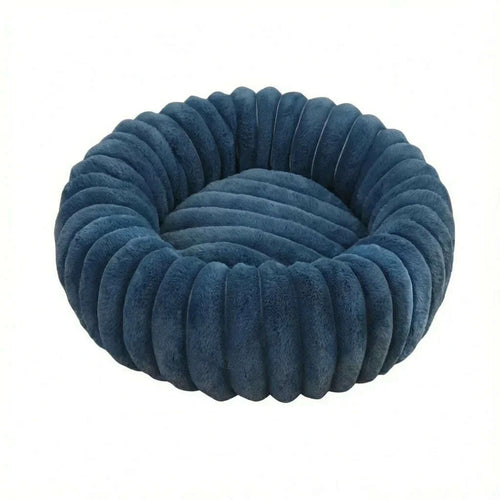
- A cozy resting spot: despite all that energy, it still needs comfortable bedding to recharge between explorations.
It's also a good idea to secure windows and balconies: this little daredevil has no sense of heights. Finally, make daily play sessions part of the routine: a Bengal that gets to burn off energy is a happy, well-balanced Bengal.
Sharp, intelligent, and spectacular, the Bengal rewards a hundredfold any family willing to keep up with its pace. Well-equipped and well-supported, this little leopard-in-miniature will become an exceptional companion. And if you're passionate about exploring cat breeds, keep discovering with our cat breed family tree: you'll see exactly how the Bengal fits into the great family of cats around the world.
Similar breeds to explore: Savannah and Toyger.
Equipping a Bengal: our recommendations
The Bengal climbs relentlessly. A tall tree, ideally up to the ceiling, and a high vantage point will keep it off your shelves.
- Ceiling Cat Tree — 274 cm floor-to-ceiling, tension-mounted — €119.99
- XXL Solid Cat Tree — 178 cm, wide platforms for watching — €169.99
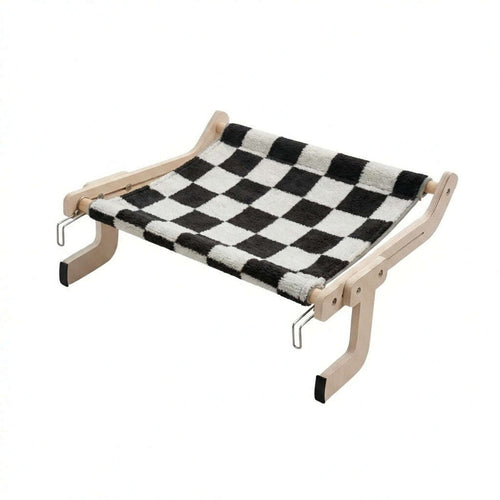
- Cat Window Perch — window perch, zero floor space — €39.99
See the whole collection → · Free delivery across France and Europe.
Bengal Cat: Quick Facts
The essentials to remember about the Bengal at a glance:
| Criteria | Details |
|---|---|
| Origin | United States, 1960s-1980s (domestic cat × Asian leopard cat crossbreeding) |
| Size | Male 5-7 kg, female 4-6 kg |
| Life expectancy | 12-16 years |
| Coat | Short, dense, and silky, spotted/marbled (rosettes) |
| Temperament | Active, playful, intelligent, vocal |
| Special traits / health | F1-F4 generations regulated in France (F5 admitted to the LOOF registry); risks of HCM and PK-Def |
| Estimated price | 1,000-3,000 € (companion kitten) |
Kitting out a Bengal without losing your living room
A Bengal that burns energy is a balanced Bengal: verticality, scratching posts and supervised outings change everything day to day. Here’s what you need to build it real territory.
📚 Sources and References
- The International Cat Association (TICA). Bengal — Breed Standard. https://tica.org
- LOOF (French official cat registry). Bengal — Breed Standard. https://loof.asso.fr
- FIFe (Fédération Internationale Féline). Bengal — Breed Standard. https://fifeweb.org
- International Cat Care. Bengal — Temperament and Behaviour. https://icatcare.org
- Encyclopaedia Britannica. Bengal cat. https://britannica.com
Frequently Asked Questions About the Bengal
-
The Bengal is a hyperactive, playful, and deeply adventurous cat that needs near-constant stimulation. Highly intelligent, it can learn to fetch a ball, walk on a leash, or even open doors. It bonds intensely with its family, is often quite vocal, and loves playing with water, a trait inherited from its wild ancestor.
-
The Bengal is a large, muscular, athletic cat with a lean silhouette and a fluid gait. Its short coat is covered in rosettes, two-toned spots with a darker outline than center, and some individuals show a marbled pattern. Its fur sometimes has a sparkly effect called "glitter" that makes it shimmer in the light, and it's low-maintenance, needing only a weekly brushing.
-
The average price for a Bengal from a breeder generally falls between 1,000 and 2,500 €, a range that depends on bloodline, coat quality, and the breeder's professionalism. A registered breeder who runs genetic testing, vaccinates, and socializes their kittens justifies a higher price, a sign of health and well-being. Note that Le Félin does not sell cats.
-
Yes, the Bengal generally gets along well with energetic kids and other pets in the household. That said, this harmonious cohabitation depends on proper socialization from an early age. Its sociable nature and boundless energy make it an ideal companion for active, playful families ready to devote time to it every day.


Your cat’s well-being, our number one priority
A French team that lives with cats, products chosen for their instincts (climbing, scratching, watching, hiding) and over 100 guides written to help you choose well.
- Free deliveryFrance and Europe, no minimum
- Secure paymentCard, Apple Pay, PayPal, Shop Pay
- 30-day returnsSatisfied or refunded
- Expert advice100+ guides and tutorials, support in France
Our Products