Burmese Cat: History, Temperament, and Price

Compact and muscular, with a short coat that catches the light like satin, and above all, a presence impossible to ignore: the Burmese doesn't just share your home, it inserts itself into every single day. If you're looking for a cat that follows you from room to room, comments on everything you do, and hops onto your lap at the first opportunity, you may have found one of the most affectionate companions in the feline world. Let's find out what's behind that golden gaze.
Origins and History of the Burmese
The Burmese's story begins far from the West, in Burma, home to brown cats whose temperament was already remarkably endearing. Everything changed around 1930, when a small, warm brown female cat named Wong Mau was brought to the United States. She is considered the founding mother of the breed.
To lock in her traits and establish a stable line, Wong Mau was bred with Siamese cats, already well established in the United States by then. These pairings gradually produced a cat with a look all its own: rounder, more compact, with a glossy sable coat that became its signature. American breeders worked carefully to distinguish the Burmese from the Siamese, eventually earning it recognition as a breed in its own right. Even today, you'll often see a distinction between the so-called "American" line and the "British" (or European) line, with slightly different builds but the same tender heart.
From this journey between Asia and America, the Burmese kept a quiet elegance and a deep attachment to humans: from the very start, it was bred as much for its beauty as for its personality.
Burmese: Character and Temperament
If you had to sum up the Burmese in one phrase, it would be, hands down, "velcro cat." It's one of the clingiest cats around, and proud of it. It can't stand being alone for long and would much rather follow its human into the bathroom than sleep alone in some quiet corner. For the Burmese, happiness means togetherness.
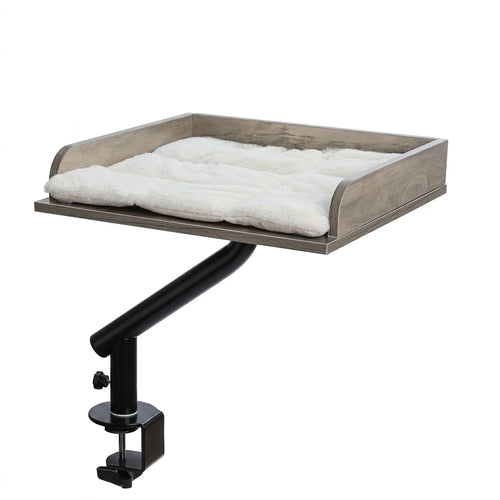
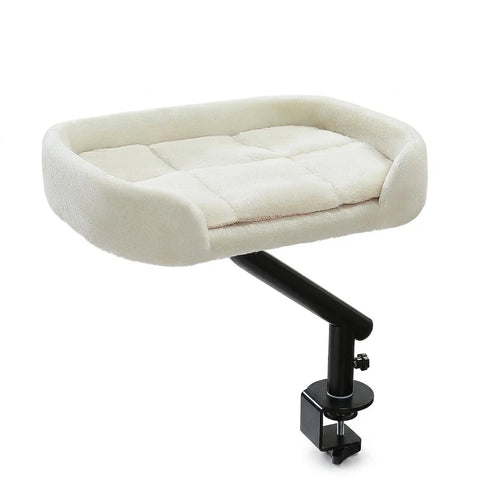
Does he follow you to your desk? The Rotating Plush Cat Bed for Desks clamps to the edge of your desktop and swivels a full 360°, at €89.99, free delivery.
This need for contact comes with a playful streak that lasts well beyond kittenhood. The Burmese loves fetching small objects, chasing a ball, figuring out a treat-dispensing puzzle toy, and climbing to new heights. Its sharp intelligence needs plenty of stimulation: a bored Burmese is a Burmese that will let you know about it, sometimes loudly.
Yes, it's also a vocal cat. It doesn't hit the volume of a Siamese, but it loves to "chat," punctuating its every move with little comments and answering back when spoken to. This constant back-and-forth is part of its charm: you really feel like you're sharing your life with a genuine conversational partner. Sociable by nature, it generally gets along well with children, other cats, and even dogs, as long as introductions are made gently.
Burmese: Size, Weight, and Appearance
The Burmese is a medium-sized cat, but don't let its modest dimensions fool you: this is a heavyweight in disguise. Beneath its coat lies a compact, muscular body that feels surprisingly dense when you pick it up. People often say it weighs more than it looks like it should.
Its short, satiny coat is one of its most beautiful signatures: fine, close-lying, and glossy, it hugs the body and catches the light. Historically, the signature coat color is sable (Wong Mau's famous glossy brown), but today the breed comes in other soft shades too, including blue, chocolate, lilac, and various cream tones depending on the standard.
The head is rounded, the cheeks full, and the short muzzle gives the Burmese its sweet, slightly childlike expression. But it's really its eyes, large, expressive, ranging from golden yellow to deep amber, that grab your attention first. As for longevity, the Burmese is a long-haul companion: its life expectancy runs between 15 and 18 years, provided it gets a suitable diet, regular veterinary care, and plenty of attention.
To convert these years into human years, use our cat age in human years converter and its detailed chart.
Burmese Price
Through breeders, the price of a Burmese kitten generally falls between $750 and $1,500. This is a general market benchmark based on breeder pricing; the exact amount depends on several factors.
- Bloodline and pedigree: a kitten from award-winning parents or a well-regarded line will sit at the higher end of the range.
- Coat color: certain sought-after colors can affect the price.
- Breeding standards: thorough care (microchipping, vaccinations, health testing, early socialization) often justifies a higher price and reflects a serious, welfare-focused breeder.
- Purpose: a companion kitten won't be priced the same as one intended for breeding or showing.
One important note: Le Félin does not sell cats. Our job is to equip yours so they can thrive. We share this price benchmark purely for informational purposes, to help you plan your adoption from a reputable breeder with confidence.
Welcoming and Equipping a Burmese
Welcoming a Burmese means, above all, meeting its huge need for companionship and play. A few simple setup choices will make all the difference for its well-being.
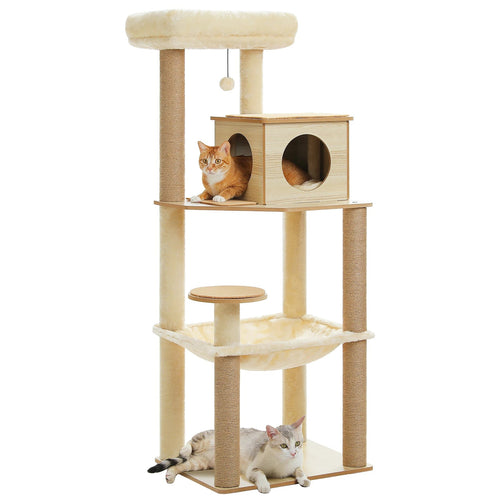
- Vertical space: an avid climber, the Burmese loves surveying its territory from up high. A sturdy, stable cat tree with elevated platforms and cozy sleeping spots will satisfy its love of climbing while giving it a perch to keep an eye on the family.
- Plenty of playtime: balls, feather wands, interactive toys, and treat dispensers will channel its boundless energy and keep its mind sharp.
- Scratching posts: to protect your furniture and give it a natural outlet for marking and stretching.
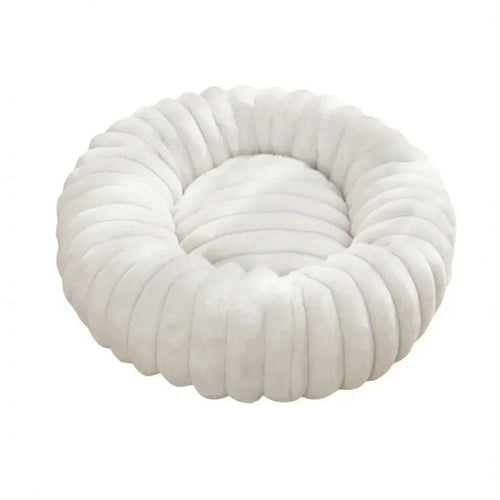
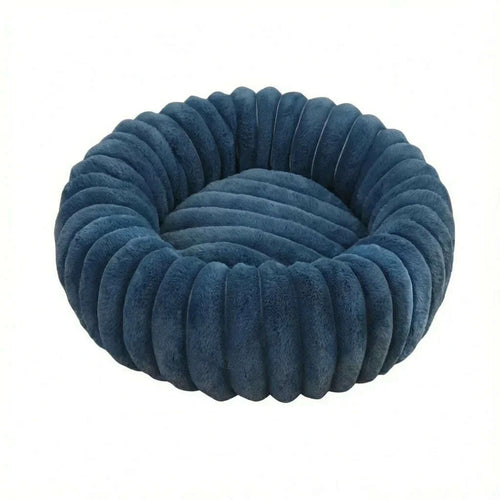
- A cozy resting spot: despite its clingy side, it will appreciate a soft bed, ideally placed near you or up high.
- Companionship: if you're often away, consider a second pet. The Burmese doesn't handle solitude well and thrives on company, whether human or feline.
As for grooming, its short, satiny coat requires very little upkeep: a weekly brushing is enough to keep it glossy and strengthen your bond. Finally, consider a cat water fountain to encourage it to stay well hydrated every day.
Affectionate, chatty, playful, and devoted, the Burmese is an exceptional companion for anyone who wants to fully share their daily life with a cat. If its story and temperament have won you over, keep exploring: discover where it comes from and meet its cousins and close relatives in the cat breed family tree. And when you're ready to welcome your own, Le Félin will be here to equip it with love.
Equipping a Burmese: our recommendations
The Burmese climbs relentlessly. A tall tree, ideally up to the ceiling, and a high vantage point will keep it off your shelves.
- Ceiling Cat Tree — 274 cm floor-to-ceiling, tension-mounted — €119.99
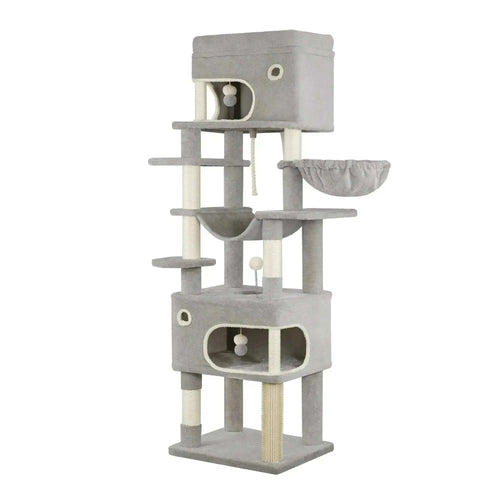
- XXL Solid Cat Tree — 178 cm, wide platforms for watching — €169.99
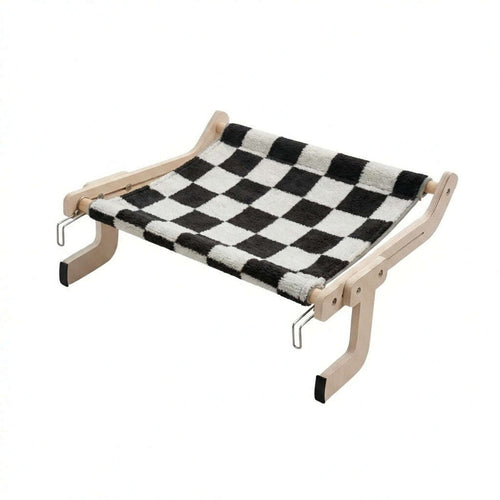
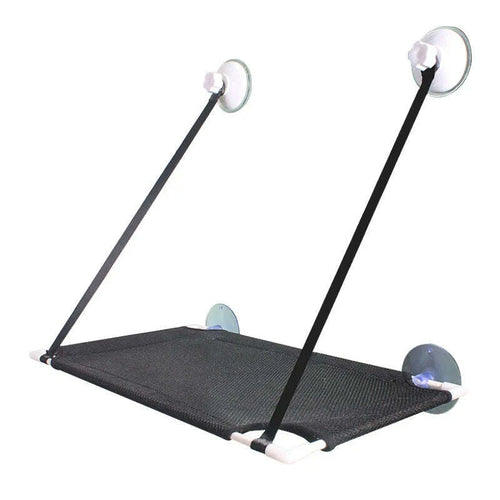
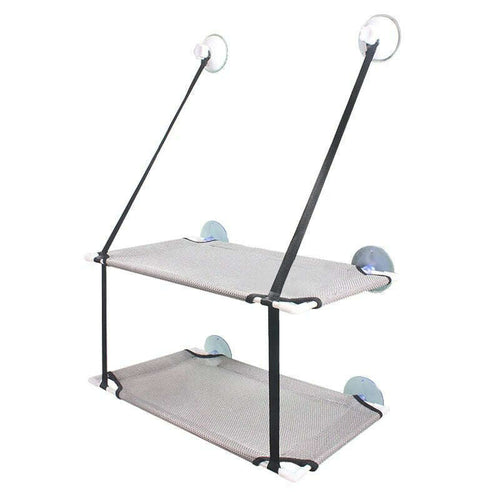
- Cat Window Perch — window perch, zero floor space — €39.99
See the whole collection → · Free delivery across France and Europe.
Burmese Fact Sheet
The essentials about the Burmese, at a glance:
| Criteria | Details |
|---|---|
| Origin | Burma, later developed in the United States (1930s) |
| Size | Male 9-13 lbs, female 7-11 lbs |
| Life expectancy | 15-18 years |
| Coat | Short, fine, and satiny, sable coat |
| Temperament | Affectionate, a real "velcro cat," playful and chatty |
| Distinctive traits / health | Expressive golden eyes; predisposition to diabetes and skull deformities |
| Average price | $750-$1,500 |
Kitting out your Burmese without cluttering the living room
A Burmese needs little equipment, but everything must account for his need for company and his undiminished energy. Here is what he needs for height, a lookout post and comfortable mealtimes.
📚 Sources and References
- TICA (The International Cat Association). Burmese Breed. https://tica.org
- CFA (Cat Fanciers' Association). Burmese Breed Profile. https://cfa.org
- FIFé (Fédération Internationale Féline). Breed Standard – Burmese. https://fifeweb.org
- LOOF (French cat registry). Breed Profile – Burmese. https://loof.asso.fr
- International Cat Care. Burmese Cat Breed Profile. https://icatcare.org
Frequently asked questions about the Burmese
-
The Burmese is often called a "velcro cat" because of how attached it gets to its humans: it follows them from room to room, comments on everything they do, and settles onto their lap at the first opportunity. It's also a playful, intelligent cat that loves fetching objects, solving puzzle toys, and climbing to high places. Vocal without being overbearing, it enjoys "chatting" and responds when you talk to it, giving it a real conversational personality.
-
The Burmese is a medium-sized cat with a compact, muscular body that's surprisingly heavy for its size. Its short, fine, satiny coat hugs the body and catches the light, with an iconic glossy brown (called sable) coloring also available in blue, chocolate, lilac, or cream. Its head is rounded with full cheeks, and its large, expressive eyes, ranging from golden yellow to deep amber, are one of its most striking features. Its life expectancy runs between 15 and 18 years.
-
From a breeder, a Burmese kitten typically costs between $750 and $1,500. This price varies depending on the bloodline and pedigree, the kitten's coat color, and the breeder's practices. Please note that Le Félin is a cat breed information site and does not sell kittens.
-
Yes, the Burmese is a highly sociable cat that generally gets along very well with children, other cats, and even dogs. That said, it's best to introduce them gradually so the cohabitation gets off to the best possible start. Its affectionate, playful temperament makes it an ideal companion for families.


Your cat’s well-being, our number one priority
A French team that lives with cats, products chosen for their instincts (climbing, scratching, watching, hiding) and over 100 guides written to help you choose well.
- Free deliveryFrance and Europe, no minimum
- Secure paymentCard, Apple Pay, PayPal, Shop Pay
- 30-day returnsSatisfied or refunded
- Expert advice100+ guides and tutorials, support in France
Our Products