Ocicat Cat: Leopard Looks, Personality, and Price

With its leopard-like spotted coat and bright, alert gaze, the Ocicat turns heads wherever it goes. Yet behind this miniature wildcat look hides one of the most affectionate, playful, and sociable cats around. Born from a happy accident in the United States, this athletic feline combines the best of both worlds: the wild flair of the ocelot and the tenderness of a beloved lap cat. Dreaming of a cat as spectacular as it is endearing? Let's get to know the Ocicat.
Origins and History of the Ocicat
The story of the Ocicat begins in 1964, in the United States, and it plays out like a lovely twist of fate. A breeder at the time was trying to produce a Siamese with Abyssinian markings. By crossing a Siamese and an Abyssinian, she ended up with an unexpected litter: among the kittens was a little spotted male whose coat irresistibly evoked the ocelot, that wild cat of the Americas. That detail is what gave the breed its name, a blend of "ocelot" and "cat."
Far from a disappointment, this genetic "accident" became the starting point of a passionate breeding program. Breeders quickly realized they had something unique on their hands: a cat with a wild look but fully domestic, without a single drop of wildcat blood in its veins. Over the following decades, the Ocicat was recognized by major cat associations and gradually won over cat lovers around the world. Even today, it's a lovely reminder that nature sometimes delivers the most beautiful surprises.
Ocicat: Character and Temperament
Don't be fooled: beneath its predator-like looks, the Ocicat is a real softie. It's an athletic, sociable, and remarkably trainable cat, known for its constant need for interaction. It's bursting with energy and loves to climb, jump, run, and explore every corner of its territory. A bored Ocicat is an unhappy Ocicat: it needs movement and mental stimulation.
Its high intelligence makes it one of the few cats you can genuinely train. It easily learns to fetch a ball, walk on a harness, come when called, and even perform little tricks. Some owners compare it to a dog, given how much it craves attention and how devoted it is to its family.
Sociable down to its whiskers, the Ocicat hates being alone. It generally gets along very well with:
- children, whose boundless energy it shares;
- other cats, with whom it loves to play and roughhouse;
- dogs, as long as introductions are handled properly;
- visitors, whom it often greets with curiosity rather than wariness.
For a cat that climbs and jumps all day long, the Ceiling Cat Tree adjusts from 210 to 274 cm and takes up the height, at €119.99, free delivery.
That makes it an ideal companion for lively, hands-on households, but it won't do well being left alone for long stretches without company or things to do.
Ocicat: Size, Weight, and Appearance
The Ocicat is a medium to large cat with a muscular, athletic build. Its powerful body, carried on strong legs, gives away its sporty temperament at a glance. Males, which run bigger, can reach an impressive size, while females keep a leaner, sleeker build.
Its signature feature, of course, is its short spotted coat. The spots, evenly spread across the body, form a pattern reminiscent of big wild cats. This coat comes in a wide range of colors (tawny, chocolate, cinnamon, blue, lilac, fawn, and their silver versions), giving each cat its own distinct look. The short, sleek, glossy coat is easy to maintain: a weekly brushing is enough to keep it looking its best.
The slightly triangular head shows off large, expressive almond-shaped eyes in a variety of colors (any except blue). Wide-set, broad ears round out this alert yet elegant face. As for longevity, the Ocicat is a sturdy cat with a life expectancy of 12 to 18 years, provided it gets a healthy lifestyle and regular veterinary care.
Wondering what that age translates to in human years? Try our cat age in human years calculator.
Ocicat Price
On the market, an Ocicat from a breeder typically runs between $750 and $1,500. This range reflects prices commonly seen among breeders; it is in no way a price charged by Le Félin. Several factors explain the variation:
- bloodline: cats from award-winning parents or bred for showing tend to cost more;
- coat: certain especially sought-after colors or patterns can drive the price up;
- breeding standards: careful breeding practices (health testing, socialization, microchipping, vaccination) are naturally reflected in the cost;
- age and status: a kitten, an adult, or a cat intended for breeding are not valued the same way.
Always choose a registered, transparent breeder who will provide you with a microchipped, vaccinated kitten along with proper documentation. Le Félin does not sell cats: our job is to equip yours with accessories designed for their well-being and happiness.
Welcoming and Equipping an Ocicat the Right Way
Welcoming an Ocicat means, above all, planning ahead for its vital need to move. This athlete needs to burn energy, climb up high, and survey its territory from above. Here are a few essentials to give it a living environment suited to its needs:
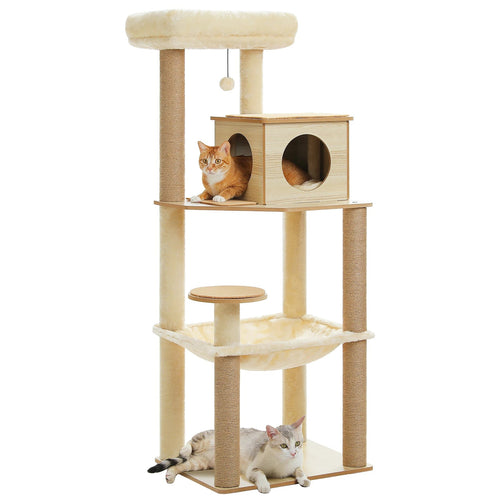
- a high-up spot for observing and climbing, a must for a born climber: a sturdy, properly sized cat tree is the top priority purchase for an Ocicat of this size;
- sturdy scratching posts, to channel its energy and protect your furniture;
- interactive toys and daily play sessions, since its intelligence craves stimulation;
- a cat water fountain, which encourages it to drink more and supports urinary health;
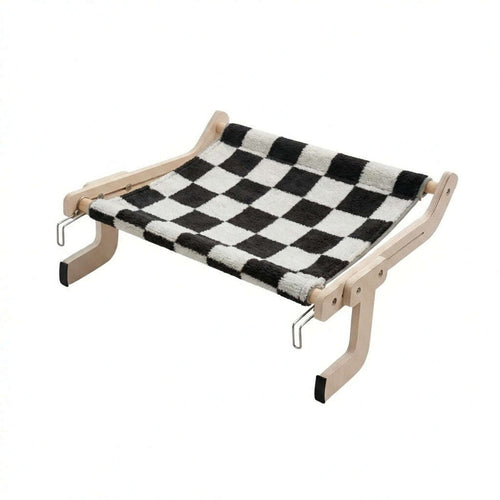
- comfortable, cozy bedding, placed up high if possible, for its well-earned downtime.
Don't forget the training side of things either: an Ocicat loves to learn. Take advantage of its trainable nature to get it used to a harness, teach it a few tricks, and build your bond. A rich environment, frequent interaction, and a bit of vertical space are all it takes to keep this enthusiastic feline happy.
The Ocicat is living proof that a cat can be both spectacular and gentle, wild to the eye and soft at heart. If its story, born of a happy accident, has won you over, know that it's part of a much bigger adventure: that of cat breeds and their sometimes surprising family trees. Keep exploring with the cat breed family tree, and maybe you'll find the spotted companion who will soon share your everyday life.
Equipping an Ocicat: our recommendations
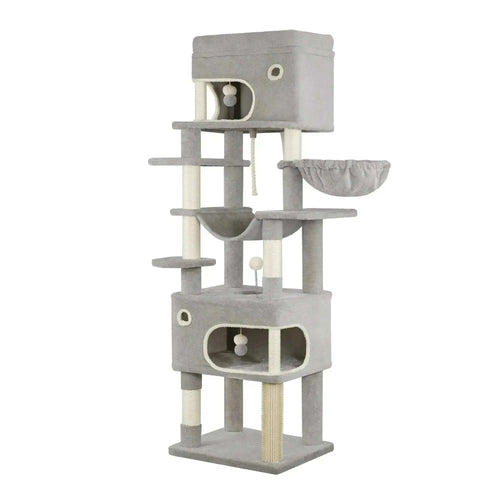
The Ocicat climbs relentlessly. A tall tree, ideally up to the ceiling, and a high vantage point will keep it off your shelves.
- Ceiling Cat Tree — 274 cm floor-to-ceiling, tension-mounted — €119.99
- XXL Solid Cat Tree — 178 cm, wide platforms for watching — €169.99
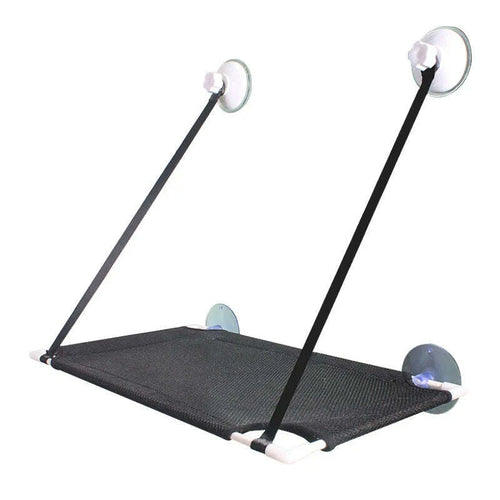
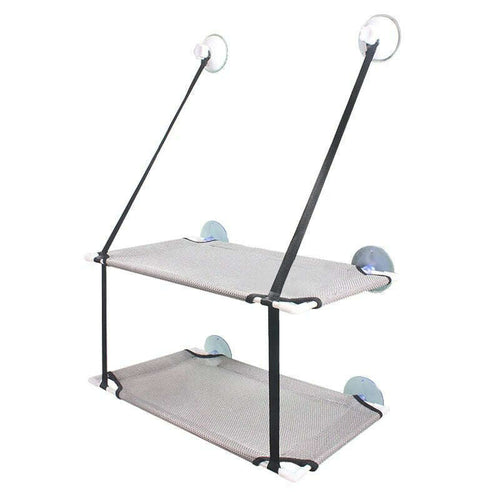
- Cat Window Perch — window perch, zero floor space — €39.99
See the whole collection → · Free delivery across France and Europe.
Ocicat Fact Sheet
Here's everything you need to know about the Ocicat at a glance:
| Criteria | Details |
|---|---|
| Origin | United States (Michigan), 1964 (Siamese × Abyssinian cross) |
| Size | Male 8.8-13.2 lbs, female 5.5-8.8 lbs |
| Life expectancy | 15-20 years |
| Coat | Short, silky, ticked with oval spots |
| Temperament | Very sociable, gentle, active, curious |
| Unique trait / health | 100% domestic despite its ocelot-like look (no wild genetics) |
| Estimated price | $700-$1,400 |
Kitting out an Ocicat, from floor to ceiling
A happy Ocicat is an Ocicat that climbs, watches and burns energy. Here is what it takes to build it a vertical territory to match.
📚 Sources and References
- The International Cat Association (TICA). Ocicat Breed Profile and Standard. https://tica.org
- Cat Fanciers' Association (CFA). Ocicat Breed Profile. https://cfa.org
- Fédération Internationale Féline (FIFe). Official Ocicat Breed Standard. https://fifeweb.org
- LOOF (French official cat pedigree registry). Ocicat Breed Standard. https://loof.asso.fr
- International Cat Care. Ocicat — Breed Behaviour and Health. https://icatcare.org
Frequently Asked Questions About the Ocicat
-
The Ocicat is an athletic, sociable, and highly affectionate cat, far removed from its wild-cat looks. It's brimming with energy, loves to play and climb, and needs constant stimulation to thrive. Its remarkable intelligence lets it learn to fetch a ball, walk on a harness, or come when called, which is why it's sometimes compared to a dog.
-
The Ocicat is a wonderful companion for busy households: it happily matches kids' boundless energy and gets along well with other cats and dogs, given proper introductions. It generally greets visitors with curiosity rather than wariness. That said, it doesn't handle being left alone for long stretches well and needs plenty of company and things to do.
-
The Ocicat is a medium to large cat with a muscular, athletic build and a short spotted coat reminiscent of big wild cats. Its coat comes in many colors, including tawny, chocolate, cinnamon, blue, and lilac, plus their silver variants. Its short, glossy fur needs only weekly brushing, and its life expectancy runs from 12 to 18 years.
-
On the market, an Ocicat kitten from a breeder typically costs between $700 and $1,400, depending on the bloodline, coat, and pedigree. Several factors explain this range, notably that kittens from award-winning parents command higher prices. Note that Le Félin doesn't sell cats, and this range simply reflects prices commonly seen among breeders.


Your cat’s well-being, our number one priority
A French team that lives with cats, products chosen for their instincts (climbing, scratching, watching, hiding) and over 100 guides written to help you choose well.
- Free deliveryFrance and Europe, no minimum
- Secure paymentCard, Apple Pay, PayPal, Shop Pay
- 30-day returnsSatisfied or refunded
- Expert advice100+ guides and tutorials, support in France
Our Products