Savannah Cat: Temperament, Price, and F1-F7 Generations

Picture a cat that leaps onto the fridge without a running start, follows you around the house like a devoted dog, and whose spotted coat calls to mind the African savanna more than the living room cushion. This cat is real: meet the Savannah, the largest of all domestic cat breeds, an athlete with a wild gaze and a heart surprisingly devoted to its humans. Part miniature wildcat, part devoted companion, it fascinates as much as it intrigues. Before falling for this larger-than-life bundle of energy, let's dive into its history, its personality, and everything you need to know to welcome one into your home the right way.
Origins and History of the Savannah
The Savannah's story begins in the United States in 1986, when a breeder produced a kitten from a bold cross: a domestic cat and an African serval, that wild cat known for its long legs and oversized ears. This first kitten, named "Savannah," would go on to give the entire breed its name.
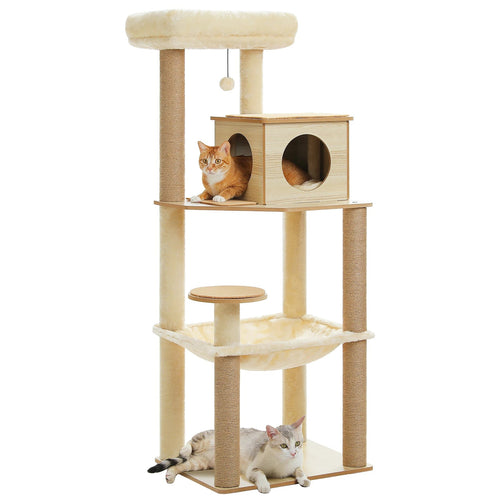
A Savannah clears nearly 2.50 m vertically: the Ceiling Cat Tree adjusts from 210 to 274 cm, available at €119.99, free delivery.
The idea quickly won over a handful of enthusiasts eager to fix a very particular type: the serval's dramatic, exotic look paired with the sociable temperament of a companion cat. The breeding work was painstaking, since combining wild and domestic genes takes patience and precision. The breed was eventually officially recognized by TICA (The International Cat Association) in the early 2000s, marking its coming of age and the start of its rise to international fame.
Savannahs are classified by how closely related they are to the serval, in generations labeled F1, F2, F3, and so on. The lower the number, the closer the wild ancestry: an F1 is the direct offspring of a serval, while an F5 or later generation behaves much more like a typical domestic cat, while still keeping that proud head carriage and unmistakable coat.
Savannah: Personality and Temperament
As impressive as the Savannah's looks are, its personality doesn't disappoint either. It's a fearless athlete, bursting with energy and boundless curiosity. Nothing stops it: cracked-open doors, high shelves, dripping faucets… it explores everything, tests everything, and never loses its constant thirst for adventure.
Unlike the aloof image sometimes associated with cats, the Savannah is deeply loyal. It bonds intensely with its family, follows its humans from room to room, and craves interaction. Many owners describe it as a "dog-cat": it can learn to fetch a ball, walk on a harness, and sometimes even respond to its name.
This sharp intelligence comes with a catch: boredom is unbearable for it. A Savannah left without stimulation can become destructive or vocal. It needs play, challenges, height, and company. It generally gets along well with other active pets and with respectful children, provided it grew up in an environment rich in stimulation. This is a cat for households ready to invest time and energy, not for those looking for a quiet, contemplative homebody.
Savannah: Size, Weight, and Appearance
The Savannah is, above all, a very large cat, lean and muscular. Its impossibly long legs give it a graceful, feline gait, almost like a scaled-down cheetah. Depending on the generation, the largest individuals can reach a size that far exceeds that of a typical house cat.
Its short, spotted coat is its signature feature: a golden, tawny, silver, or black base scattered with bold, well-contrasted dark spots inherited directly from its serval ancestor. This silky coat needs little upkeep, a weekly brushing is enough to keep it looking its best.
It's impossible to miss its radar-like ears: large, tall, and perked up, they pick up the faintest sound and add to its alert expression. Add an elongated neck and expressive eyes often lined with dark markings reminiscent of tear streaks, and you get the miniature-wildcat look the breed is famous for.
Health-wise, the Savannah enjoys solid robustness, with a life expectancy of 12 to 20 years. A quality, protein-rich diet and regular veterinary checkups will keep it thriving for the long haul.
Curious where your cat lands on the human scale? Our cat age in human years calculator converts it in one click.
Savannah Price
The Savannah ranks among the most expensive cats in the world. From breeders, the going market rate generally falls between $2,000 and $12,000, a wide range that comes down to several factors.
- Generation (F1 to F5+): the closer the serval ancestry, the higher the price. F1s and F2s sit at the top of the range.
- Lineage and pedigree: kittens from award-winning, registered breeding cats command a higher price.
- Coat: certain colors and especially crisp, high-contrast spotting are highly sought after.
- Breeder reputation: socialization, health testing, vaccinations, and breeding conditions all legitimately factor into the price.
These figures reflect the typical market pricing among specialized breeders, not a Le Félin sales price. To be clear: Le Félin does not sell cats. Our job is to equip yours with accessories designed for their well-being and happiness.
Welcoming and Equipping a Savannah the Right Way
Welcoming a Savannah means rethinking your home for an athlete that lives in three dimensions. Here are the essentials it needs to thrive:
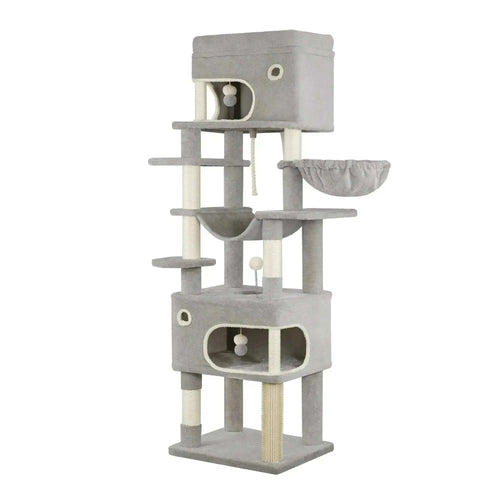
- Height, and plenty of it: this climber needs sturdy, elevated perches to survey its territory. A large, robust XXL cat tree sized for big breeds isn't optional here, it's essential.
- Durable scratching posts: its sheer strength makes short work of flimsy models. Look for dense materials and a stable base.
- A cat water fountain: descended from a cat breed fascinated by water, the Savannah loves drinking from running water, which also helps keep it well hydrated.
- Interactive toys: feather wands, balls, tracks, and puzzle toys channel its energy and stimulate its intelligence.
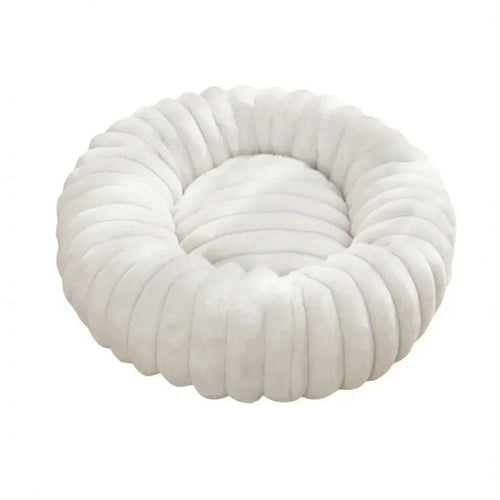
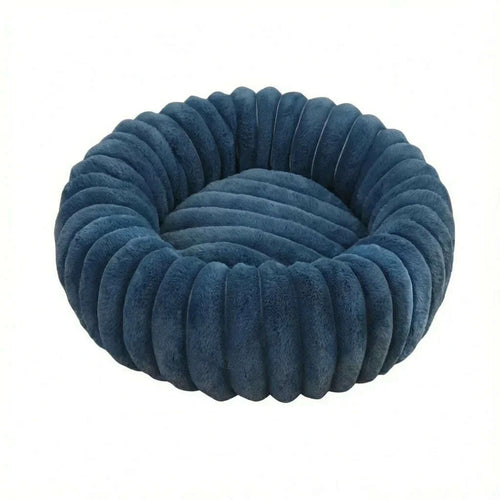
- A spacious bed: sized for its large frame, for comfortable rest between adventures.
Environmental enrichment is key: a busy Savannah is a happy Savannah, and an intact home. Be sure to cat-proof your space too (windows, balconies, fragile objects), since this exceptional jumper reaches places you'd never think possible.
The Savannah is no ordinary cat: it's a taste of the African savanna right in your living room, an athletic and endearing companion for anyone ready to match its thirst for adventure. If its personality has won you over, why not discover the cats that resemble it and those that share its history? Explore the cat breed family tree to better understand the wider feline family and maybe find the companion that's meant for you.
Equipping a Savannah: our recommendations
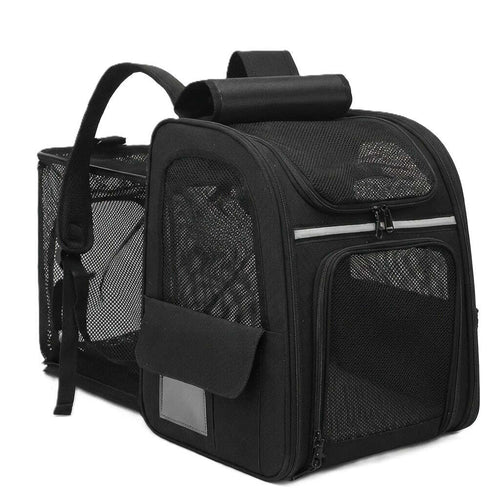
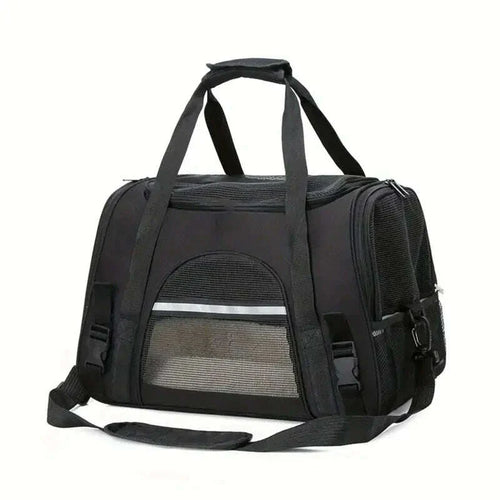
An adult Savannah is heavy and lands hard. Choose a cat tree with a wide base and a load rating well above its weight, plus an XXL carrier for trips out.
- XXL Cat Tree for Maine Coon Cats — 185 cm tall, 53 × 42 cm base, rated for 60 kg — €139.99
- Sturdy Cat Tree for Maine Coon Cats — 170 cm, reinforced structure for heavy cats — €219.99
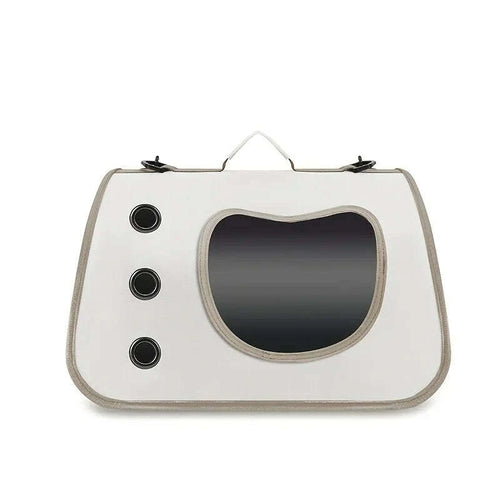
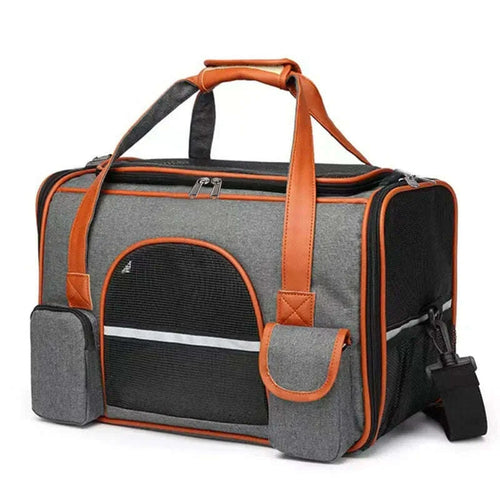
- XXL Cat Carrier — 45 × 25 × 28 cm, for vet visits — €79.99
See the whole collection → · Free delivery across France and Europe.
Savannah Cat Fact Sheet
Everything you need to know about the Savannah at a glance:
| Trait | Details |
|---|---|
| Origin | United States, 1980s (serval × domestic cat crossbreed) |
| Size | Male 15-26 lbs, female 11-20 lbs |
| Life expectancy | 12-20 years |
| Coat | Short, black-spotted coat on a golden/silver background (serval-type) |
| Temperament | Sociable, playful, athletic, loyal |
| Special notes / health | F1-F4 are classified as non-domestic animals in France (a wildlife certificate is required); only F5+ generations are unrestricted |
| Indicative price | F1 €10,000-€25,000, F5 €1,500-€4,000 |
Kitting out an athletic cat of the savanna
Whatever the generation, a Savannah calls for height, fresh water and time outdoors. Here is what it takes to build a territory that matches their energy.
📚 Sources and References
- TICA (The International Cat Association). Savannah breed standard. https://tica.org
- LOOF (Livre Officiel des Origines Félines / French cat registry). Savannah breed standard. https://loof.asso.fr
- International Cat Care. Information on the Savannah cat and hybrid breeds. https://icatcare.org
- Bradshaw, J. (2013). Cat Sense: How the New Feline Science Can Make You a Better Friend to Your Pet. Basic Books.
Frequently Asked Questions About the Savannah
-
The Savannah is an athletic, fearless cat brimming with energy and endless curiosity. It's deeply devoted to its family, following its humans from room to room and craving plenty of interaction, so much so that it's often compared to a dog. Its sharp intelligence demands constant stimulation: without toys and challenges, it can become destructive or noisy.
-
From breeders, a Savannah typically costs between €2,000 and €12,000, a wide range that largely comes down to the cat's generation: the closer the serval ancestry (F1, F2), the higher the price. Please note that Le Félin does not sell cats, and these prices are provided for informational purposes only.
-
The Savannah is a very large cat, lean and muscular, with impossibly long legs that give it the graceful gait of a miniature cheetah. Its short, spotted coat, in golden, tawny, silver, or black tones, comes straight from its serval ancestor. Tall, upright ears, an elongated neck, and expressive eyes lined with dark markings complete its miniature wild-cat look.
-
The Savannah generally gets along well with other active pets and respectful children, provided it grew up in a stimulating environment. It needs plenty of play, vertical space, and regular human interaction, which makes it an ideal companion for households ready to invest the time. On the other hand, it's not the right fit for anyone looking for a laid-back, homebody cat.


Your cat’s well-being, our number one priority
A French team that lives with cats, products chosen for their instincts (climbing, scratching, watching, hiding) and over 100 guides written to help you choose well.
- Free deliveryFrance and Europe, no minimum
- Secure paymentCard, Apple Pay, PayPal, Shop Pay
- 30-day returnsSatisfied or refunded
- Expert advice100+ guides and tutorials, support in France
Our Products