Toyger: The Miniature Tiger from the United States

Picture a miniature tiger lounging on your couch, purring against your shoulder, and begging for cuddles come evening. That dream has a name: the Toyger. Born from the ambition to recreate the majesty of the big cat in a domestic feline body, this gold-coated cat with ink-dark stripes captivates as much for its wild look as for its disarming sweetness. A young, rare, and spectacular breed, the Toyger appeals to cat lovers seeking a truly extraordinary companion. Let's discover this tender-hearted "pocket tiger."
Origins and History of the Toyger
The Toyger is a remarkably young breed, with a history that began in the United States in 1993. American breeder Judy Sugden, daughter of a major figure in cat breeding, is behind this bold project: creating a domestic cat that evokes the tiger, not to imitate a wild animal for decorative purposes, but to raise public awareness about the beauty and fragility of endangered big cats.
To achieve this, she started with a Bengal, already known for its bold coat pattern, and patiently bred for vertical stripes reminiscent of a tiger's, rather than the spotted rosettes of its ancestor. The name "Toyger" is actually a blend of "toy" and "tiger," literally meaning "toy tiger."
The breeding program continued for several years to establish the desired traits. The breed gradually gained recognition from major cat associations, but it remains rare today, with only a limited number of specialized breeders worldwide. Adopting a Toyger means welcoming a cat with a young history and a still-uncommon bloodline.
Toyger: Character and Temperament
Don't be fooled by its predator-like looks: the Toyger is one of the sweetest, most sociable cats around. Inheriting the Bengal's affectionate temperament without always its boundless energy, it forms deep bonds with its family and especially enjoys human company.
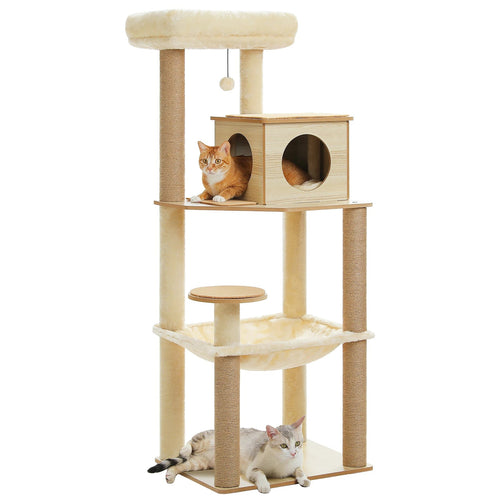
This miniature hunter needs to climb as much as to play: the Ceiling Cat Tree gives them a vertical run in a single square metre, at €119.99, free delivery.
It's a playful and curious companion that loves interactive games, toys to pounce on, and simulated hunting sessions. Smart enough to learn a few tricks, walk on a harness, or fetch small objects, the Toyger's sharp mind means it needs plenty of stimulation to truly thrive.
The Toyger also stands out for its emotional balance. Calm and easygoing, it adapts well to family life, gets along with children, and often tolerates other pets. Chatty but rarely overbearing, it communicates through soft trills and purrs. In short, behind that wild-cat mask lies a homebody at heart, one that doesn't handle prolonged loneliness well.
Toyger: Size, Weight, and Appearance
The Toyger is a medium to large cat with a long, muscular, powerful body that gives off an impression of quiet strength. Its low, fluid gait, almost wild-cat-like in the truest sense, reinforces its resemblance to the tiger that inspired it.
Its signature feature is, of course, its short coat: a warm gold-to-orange base crossed with dark vertical stripes, ideally well-contrasted and broken up just like a real tiger's. The belly and inner legs are lighter, and many Toygers show a distinctive circular facial pattern that enhances their expression. The fur is dense, silky, and sometimes touched with highly prized golden highlights.
The head is medium-sized, with small, rounded ears, a deliberate detail meant to echo the tiger's silhouette, and round, often deep-set eyes ranging from copper to green. As for grooming, its short coat requires little effort: a weekly brushing is enough to keep it glossy. Sturdy and healthy when it comes from a responsible breeder, the Toyger has a life expectancy of 12 to 15 years.
To find out what those years really mean for your cat, check out our cat age to human age conversion chart.
Toyger Price
A rare breed born of demanding selective breeding, the Toyger sits at the higher end of the price scale. As a general guide, kittens from breeders typically range from $1,500 to $3,500. This range reflects prices commonly seen among breeders, not pricing set by Le Félin.
Several factors explain this variation:
- Lineage and pedigree: a kitten from award-winning parents or a well-regarded bloodline sits at the top of the range.
- Coat quality: strong contrast, clean vertical stripes, and a rich golden base are highly prized.
- Purpose of the kitten: a cat intended for breeding or showing costs more than one meant purely as a companion.
- Breeder standards: health testing, microchipping, vaccinations, proper weaning, and careful socialization justify a higher price and give the kitten a better start in life.
One important note: Le Félin doesn't sell cats. We're an accessories shop dedicated to their well-being. Our role isn't to offer you a Toyger, but to equip yours so it can live a happy, fulfilled life by your side.
Welcoming and Equipping a Toyger the Right Way
For a Toyger to fully show off its playful little-tiger potential, its environment needs to match its energy and curiosity. Here are a few practical tips for welcoming one home the right way:
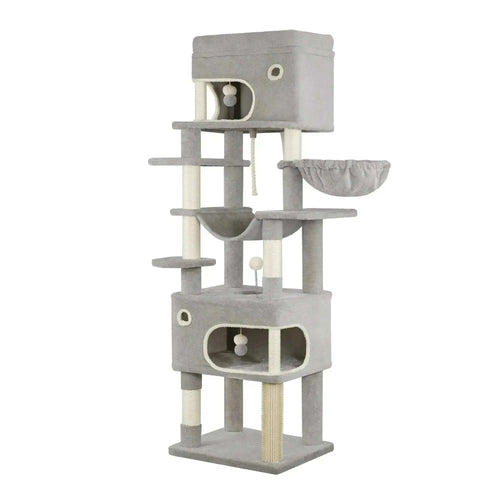
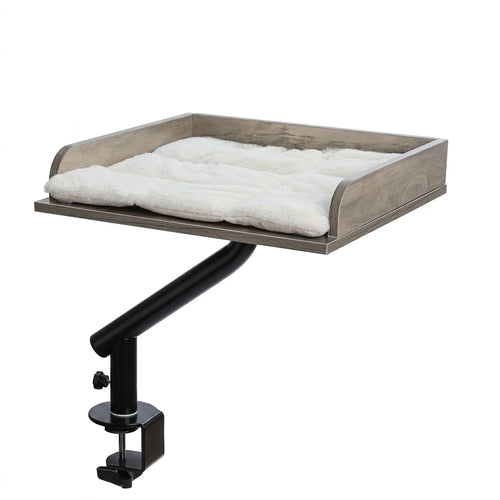
- Give it height. Athletic and fond of a good vantage point, the Toyger loves to climb and survey its territory from up top. A sturdy, tall cat tree with wide platforms suited to its medium-large frame is an ideal investment for this muscular cat.
- Keep its mind engaged. Interactive toys, feather wands, treat dispensers, and daily play sessions channel its energy and ward off boredom.
- Protect its claws the natural way. One or more sturdy scratching posts will redirect its scratching instincts to the right spot.
- Support good hydration. Like many active cats, it's drawn to running water: a cat water fountain encourages healthy daily water intake.
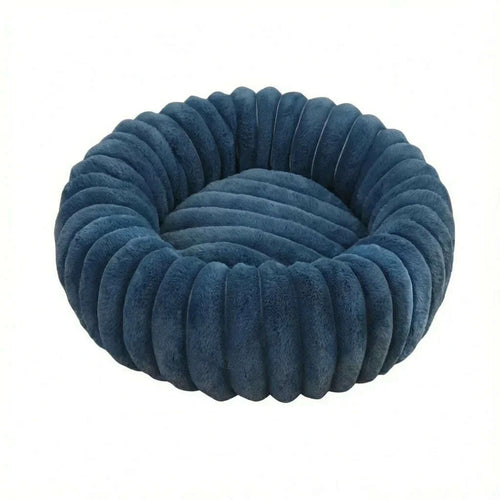
- Set up cozy resting spots. After all that activity, this incurable cuddler loves curling up in a soft bed, ideally up high or close to you.
Don't forget socialization from day one: a Toyger that feels safe, stimulated, and cared for grows into an affectionate, easygoing companion.
A tender-hearted pocket tiger, the Toyger embodies a rare meeting of wild elegance and domestic sweetness. If this breed has won you over, know that it belongs to an immense feline family with wildly varied origins and temperaments. Keep exploring and discover how the different breeds connect to one another in our cat breed family tree, a great way to find the cat that will steal your heart.
Equipping a Toyger: our recommendations
The Toyger climbs relentlessly. A tall tree, ideally up to the ceiling, and a high vantage point will keep it off your shelves.
- Ceiling Cat Tree — 274 cm floor-to-ceiling, tension-mounted — €119.99
- XXL Solid Cat Tree — 178 cm, wide platforms for watching — €169.99
- Cat Window Perch — window perch, zero floor space — €39.99
See the whole collection → · Free delivery across France and Europe.
Toyger At a Glance
Here's what you need to know about the Toyger at a glance:
| Trait | Details |
|---|---|
| Origin | United States, early 1980s (Bengal × tabby cat cross) |
| Size | Male 11-16.5 lbs, female 7.5-12 lbs |
| Life expectancy | 10-15 years |
| Coat | Short, glossy, "mini-tiger" striped (brown mackerel tabby) |
| Temperament | Affectionate, lively, athletic, easygoing |
| Notable trait / health | Rare, recently developed breed; easy to train (can even walk on a leash) |
| Approximate price | $1,300-$2,200 |
Building a miniature tiger’s territory
The Toyger climbs, watches and follows their humans everywhere. Here is how to build them a territory to match their little wildcat temperament.
📚 Sources and References
- TICA (The International Cat Association). Toyger Breed Group. https://tica.org
- TICA (The International Cat Association). Bengal Breed Group. https://tica.org
- International Cat Care. Toyger — breed guide. https://icatcare.org
- MSD Veterinary Manual. Normal Social Behavior and Behavioral Problems of Domestic Cats. https://msdvetmanual.com
Frequently Asked Questions About the Toyger
-
The Toyger is a gentle, sociable cat that forms deep bonds with its family and especially enjoys human company. Playful and curious, it loves interactive games and can even learn a few tricks or walk on a harness. Calm and even-tempered, it gets along well with children and often tolerates other pets, but doesn't do well with prolonged solitude.
-
Because it's rare and requires demanding selective breeding, the Toyger sits at the higher end of the price scale: expect to pay between $1,600 and $3,800 for a kitten from a breeder. This range can vary depending on lineage, pedigree, and the parents' reputation. Note that Le Félin does not sell cats, these figures simply reflect prices observed among specialized breeders.
-
The Toyger is a medium to large cat with a muscular, powerful build and a low, fluid gait reminiscent of a big cat. Its short coat, in a golden to orange base, is marked with bold, well-contrasted dark vertical stripes similar to a tiger's. Its ears are small and rounded, its round eyes range from copper to green, and its silky coat can carry sought-after golden highlights.
-
Yes, the Toyger adapts well to family life thanks to its emotional balance and tolerance of children and other pets. Chatty but rarely overbearing, it communicates through soft trills and purrs. That said, it needs mental stimulation and regular playtime to thrive, and doesn't do well when left alone for too long.


Your cat’s well-being, our number one priority
A French team that lives with cats, products chosen for their instincts (climbing, scratching, watching, hiding) and over 100 guides written to help you choose well.
- Free deliveryFrance and Europe, no minimum
- Secure paymentCard, Apple Pay, PayPal, Shop Pay
- 30-day returnsSatisfied or refunded
- Expert advice100+ guides and tutorials, support in France
Our Products