Turkish Van Cat: Origin, Personality, and Price

Picture a cat that, far from avoiding water, dives happily into a basin, plays under the faucet, and swims like a fish. This feline is no myth: it's the Turkish Van, one of the most fascinating natural cat breeds in the world. Native to the high plateaus of Anatolia, this large white cat with an auburn tail is full of contradictions: athletic yet independent, sturdy yet affectionate, it captivates as much through its centuries-old history as through its extraordinary temperament. Let's meet this furry swimmer.
Origins and History of the Turkish Van
The Turkish Van gets its name from Lake Van, a vast saltwater lake in eastern Turkey, set in a mountainous region with harsh winters and scorching summers. It was in this isolated basin that the breed developed entirely naturally, without human intervention, over many centuries. This geographic isolation largely explains its uniqueness: cut off from other cat populations, the Turkish Van retained ancient traits and remarkable genetic purity.
Mentioned in the folklore and iconography of ancient Anatolia, this cat is considered one of the oldest domestic companions in the region. Its introduction to the West, however, is fairly recent: it wasn't until the mid-20th century that European travelers, struck by its unusual love of water, brought a few cats back home to introduce the breed and launch a rigorous breeding program. Even today, the breed remains rare outside Turkey, where it's regarded as true living heritage.
Turkish Van: Character and Temperament
If one thing sets the Turkish Van apart from most other cats, it's its passion for water. While most felines carefully avoid the slightest splash, this one wades, plays, and swims with enthusiasm. This extremely rare behavior is thought to be a legacy of its native environment around Lake Van. In practice, expect to see it dipping a paw into its water bowl, watching the faucet drip, or hopping up to the edge of the bathtub.
Since they love moving water, the Stainless Steel Cat Water Fountain, 2.2L gives them a constantly filtered supply, at €52.99, free delivery.
Beyond this quirk, the Turkish Van is an energetic and athletic cat. Curious and playful, it loves climbing, jumping, and exploring its territory up high. It needs daily exercise and thrives in a home that offers stimulation and space. It's also independent by nature: affectionate and devoted to its family, but not exactly a clingy cat. It picks its own moments for affection, enjoys company without constantly demanding it, and holds on to a strong free-spirited streak. Being intelligent, it gets bored quickly and needs varied activities to stay balanced.
Turkish Van: Size, Weight, and Appearance
The Turkish Van is a large cat with a long, muscular, powerful body. Males, in particular, are quite imposing and can give off a real sense of strength while keeping an elegant, athletic silhouette. Its build reflects its athletic nature: broad shoulders, sturdy legs, and great agility.
Its medium-length coat is one of its trademarks. Soft, silky, and free of a thick undercoat, it has an almost water-resistant texture that dries quickly: a real asset for a cat who loves water. The classic coat pattern is called "van": a pure white body accented with colored markings, most often an auburn tail and patches on the head. This distinctive color distribution, concentrated on the extremities, is emblematic of the breed. Its expressive eyes can be amber, blue, or odd-eyed (one of each color), adding even more to its charm. As for longevity, the Turkish Van is impressively sturdy, with a life expectancy of 12 to 17 years.
Find out your cat's age in human years with our conversion chart, from 1 to 20 years old.
Turkish Van Price
Due to its rarity, the Turkish Van is a relatively expensive cat to buy from a breeder. As a rough guide, you can generally expect a price range of about $800 to $1,500. This figure reflects a general market price range, not a rate charged by Le Félin.
Several factors explain this variation in price. Lineage plays a major role: a kitten from award-winning parents or recognized bloodlines will cost more. How closely the coat matches the breed standard (the famous van pattern, the quality of the white coat and colored tail) also affects value. Finally, the seriousness of the cattery, including veterinary care, microchipping, vaccinations, kitten socialization, and health guarantees, is rightfully reflected in the price. An unusually low price should always raise a red flag.
One important note: Le Félin does not sell cats. Our business is equipping yours, with accessories designed for their everyday well-being and happiness.
Welcoming and Equipping a Turkish Van
Welcoming a Turkish Van means planning ahead for its boundless energy and love of water. Here are a few practical tips for giving it a living space that lives up to its needs:
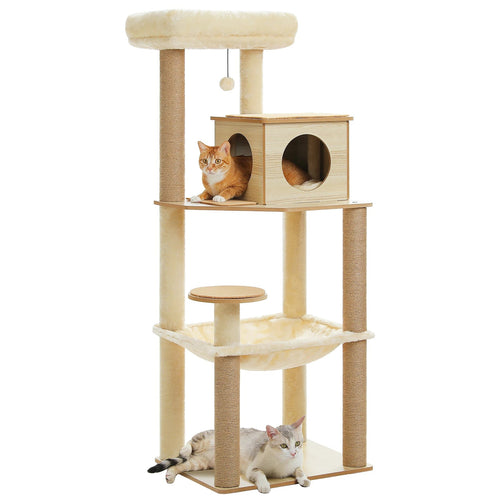
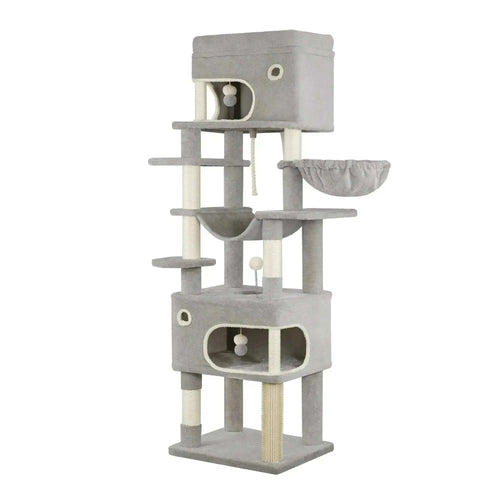
- Think vertical: a large, stable cat tree with high platforms is a must for this tireless climber.
- Keep the play and stimulation coming: interactive toys, wand toys, and daily play sessions to channel its energy.
- Provide a sturdy scratching post sized for its build, to protect your furniture and keep its claws in shape.
- Maintain its medium-length coat with regular brushing, which is enough thanks to its lack of a dense undercoat.
- Lean into its love of water: this water-obsessed cat especially appreciates fresh, always-clean running water.
On that note, a cat water fountain is the ideal accessory for a Turkish Van: the movement of the water naturally draws it in, encourages it to drink more, and helps support good hydration and urinary health. It's arguably the piece of gear that best fits its one-of-a-kind personality.
With its history rooted on the shores of Lake Van, its rare love of water, and its athletic yet independent character, the Turkish Van is a breed apart, one that rewards families willing to respect its nature. If this trip to Anatolia has left you curious about the origins of cats, keep exploring with our cat breed family tree: you'll discover how each breed shaped its temperament and appearance over the centuries.
Equipping a Turkish Van: our recommendations
The Turkish Van climbs relentlessly. A tall tree, ideally up to the ceiling, and a high vantage point will keep it off your shelves.
- Ceiling Cat Tree — 274 cm floor-to-ceiling, tension-mounted — €119.99
- XXL Solid Cat Tree — 178 cm, wide platforms for watching — €169.99
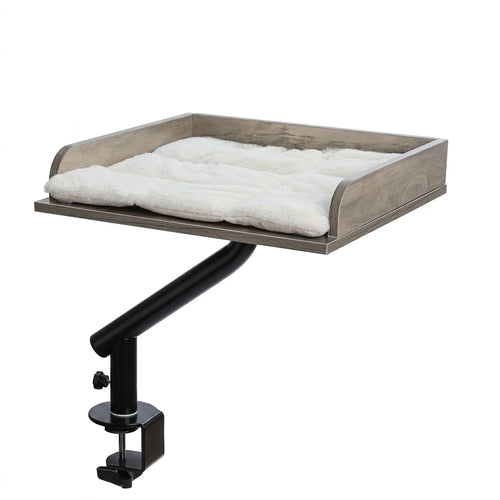
- Cat Window Perch — window perch, zero floor space — €39.99
See the whole collection → · Free delivery across France and Europe.
Turkish Van at a Glance
The essentials on the Turkish Van, at a glance:
| Criteria | Detail |
|---|---|
| Origin | Turkey (Lake Van region) |
| Size | Male 11-20 lbs, female 9-13 lbs |
| Life expectancy | 12-17 years |
| Coat | Semi-long, water-resistant, auburn "van" pattern on white |
| Temperament | Energetic, playful, water lover |
| Notable trait / health | Loves to swim; possible deafness in blue-eyed cats |
| Estimated price | $750-$1,500 |
Kitting out an athletic, curious Turkish Van
Respecting their nature means giving them height, something to scratch at full strength and a lookout onto the outside world. Here are three pieces that cover those three needs.
📚 Sources and References
- LOOF (French official cat registry). Breed standard: Turc de Van (Turkish Van). https://loof.asso.fr
- TICA (The International Cat Association). Turkish Van breed profile. https://tica.org
- CFA (Cat Fanciers' Association). Turkish Van breed profile. https://cfa.org
- FIFe (Fédération Internationale Féline). Turkish Van (TUV) breed standard. https://fifeweb.org
- International Cat Care. Turkish Van breed profile. https://icatcare.org
Frequently Asked Questions About the Turkish Van
-
The Turkish Van is an energetic, athletic, and curious cat that loves to climb, jump, and explore its territory. It's affectionate and bonded to its family, yet remains independent: it picks its own moments for cuddles rather than constantly demanding attention. Highly intelligent, it gets bored quickly and needs stimulation and space to truly thrive.
-
Yes, it's one of its most remarkable traits: unlike most cats, the Turkish Van happily wades, plays, and swims in water. It might dip a paw into its cat bowl, watch a trickling faucet, or hop up to the edge of the bathtub. This behavior is thought to be a legacy of its native environment around Lake Van in Turkey.
-
The Turkish Van is a large cat with a long, muscular, powerful body, broad shoulders, and sturdy legs. Its semi-long coat is soft, silky, and nearly waterproof, drying quickly after a swim. The signature "van" coat pairs a pure white body with an auburn tail and colored markings on the head. Its eyes can be amber, blue, or odd-colored, adding even more to its charm.
-
Given its rarity, the Turkish Van is a relatively pricey breed: expect to pay roughly $750 to $1,500 from a breeder. This price varies based on lineage, how closely the coat matches breed standards, and the breeder's diligence (veterinary care, vaccinations, socialization). Note that Le Félin does not sell cats, and this range is provided for informational purposes only.


Your cat’s well-being, our number one priority
A French team that lives with cats, products chosen for their instincts (climbing, scratching, watching, hiding) and over 100 guides written to help you choose well.
- Free deliveryFrance and Europe, no minimum
- Secure paymentCard, Apple Pay, PayPal, Shop Pay
- 30-day returnsSatisfied or refunded
- Expert advice100+ guides and tutorials, support in France
Our Products