Turkish Angora: Origin, Personality, and Price

With the look of a small, silky ghost gliding across the floor, the Turkish Angora is unlike any other cat. Elegant down to the tip of its whiskers, chatty like a lifelong companion, and a tireless player, it has captivated cat lovers for more than six centuries. Behind its graceful silhouette lies one of the oldest longhaired breeds known in the West, a true living legend from the high plateaus of Anatolia. Thinking about welcoming this furry treasure into your home? Let's explore its history, personality, and the best way to give it a home worthy of its elegance.
Origins and History of the Turkish Angora
The Turkish Angora originated in Turkey, specifically in the region of Ankara, formerly known as "Angora," which gave the breed its name. Its presence has been documented as far back as around 1400, making it the oldest longhaired cat known in the West. Long before breeds with abundant fur became widespread, this cat already carried that distinctive medium-length coat.
Its history is closely tied to the splendor of the Ottoman court. Sultans would give these refined cats as diplomatic gifts to European nobles and rulers. Carried across the continent, these prestigious cats left a lasting mark on the feline gene pool: the Turkish Angora is considered one of the sources of the long coat found in many breeds we know today. In other words, when a cat sports a silky, flowing coat, there's a good chance a distant Angora ancestor is hiding somewhere in its family tree.
Paradoxically, the breed nearly disappeared over the centuries, a victim of repeated crossbreeding. It was Turkey itself, through the Ankara Zoo, that undertook in the 20th century to preserve the purest lines of this national treasure. Today, the Turkish Angora is once again celebrated as a living heritage, closely guarded in its country of origin.
Turkish Angora: Personality and Temperament
While the Turkish Angora charms with its looks, it's often its personality that wins over its humans for good. This cat is above all elegant in every move it makes: it moves with an almost feline grace (the word has never been more fitting), leaps with lightness, and observes its territory with sharp curiosity.
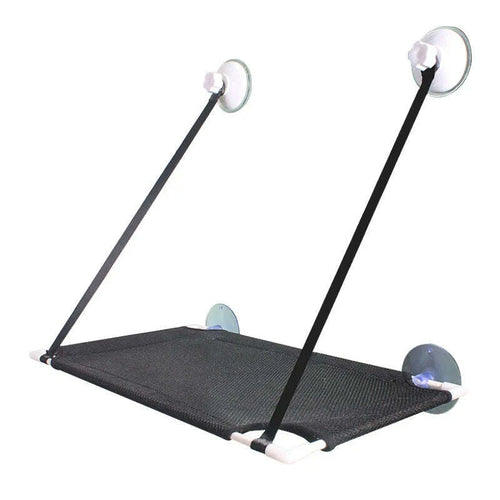
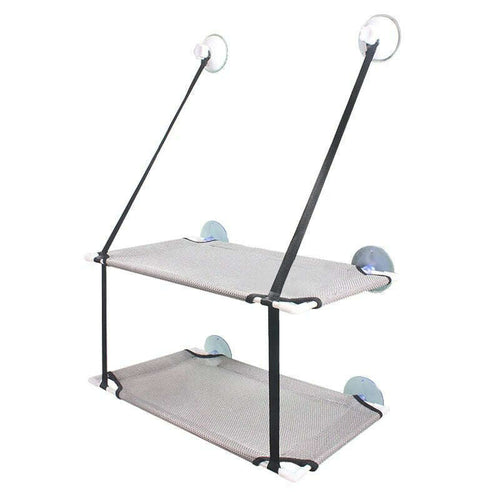
That taste for watching, the suction-cup Cat Window Perch satisfies without taking a centimetre of floor space, at €29.99, free delivery.
It's also a deeply playful companion. Even later in life, the Angora keeps a kitten's energy and enjoys hunting games, toys to chase, and elevated play routes. Smart and quick-witted, it loves solving little puzzles and won't hesitate to invent its own entertainment when bored.
Finally, the Turkish Angora is known for being chatty. It happily comments on its day, responds when spoken to, and won't hesitate to ask for attention and cuddles with soft meows. Deeply attached to its family, it often follows its humans from room to room and dislikes prolonged solitude. This is a cat that wants to be part of household life, and makes sure you know it. That sociability makes it an excellent companion for families, as long as it gets plenty of presence and regular interaction.
Turkish Angora: Size, Weight, and Appearance
The Turkish Angora is a medium-sized cat with a fine, slender build. Its body is lithe and muscular without being bulky, carried on long, slim legs that emphasize its athletic, airy look. Its long, bushy tail resembles a plume that it proudly displays as it moves.
Its most iconic feature remains its medium-length, silky coat. Unlike other longhaired breeds, the Angora has almost no undercoat, giving its fur a flowing, lightweight texture that's especially soft to the touch. This silky coat has the advantage of tangling less easily, though it still deserves regular brushing to stay in top shape. The white coat remains the most famous and sought-after, sometimes paired with odd eyes (two different colors), but the breed now comes in many colors and patterns.
When it comes to longevity, the Turkish Angora is a sturdy cat with an impressive life expectancy of 13 to 18 years. With a proper diet, regular veterinary care, and a stimulating environment, it will stay by its family's side for many years to come.
To convert those years into human years, use our cat age in human years converter and its detailed chart.
Turkish Angora Price
The price of a Turkish Angora from a reputable breeder typically falls within an approximate range of $650 to $1,300 USD. This is a general market price range, not a rate set by Le Félin.
Several factors account for these price differences:
- Bloodline: a kitten from show-winning parents or particularly pure lines will cost more.
- Coat: certain colors or traits, like odd eyes on a white coat, are more sought-after and therefore pricier.
- Breeding standards: a breeder who follows strict standards for socialization, veterinary care, genetic testing, and identification justifies a higher price, a sign of seriousness and of the kitten's good health.
Be wary of listings with unusually low prices, which often hide questionable breeding conditions. As a reminder, in full transparency: Le Félin does not sell cats. Our mission is different: we equip yours with accessories designed for their everyday well-being and happiness.
Welcoming and Equipping a Turkish Angora
Welcoming a Turkish Angora means committing to meet its two main needs: movement and companionship. Here are some practical tips for giving it an environment suited to its needs:
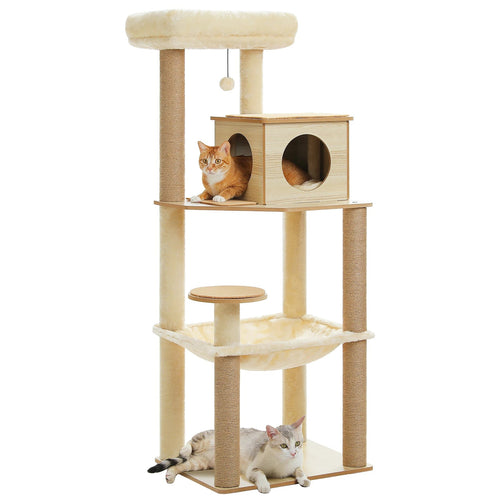
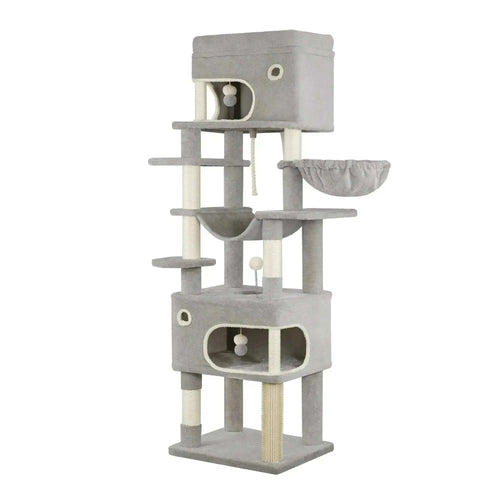
- Set up vertical space: a natural climber, the Angora loves surveying its territory from up high. A tall cat tree, wall shelves, or perches will satisfy that instinct.
- Keep its mind engaged: interactive toys, treat dispensers, and daily play sessions will channel its abundant energy and prevent boredom.
- Care for its coat: gentle brushing once or twice a week is usually enough to keep its silky fur looking beautiful and reduce hairballs.
- Respect its need to scratch: to protect your furniture while honoring this natural, essential behavior, give it a dedicated space. Check out our scratching posts, sturdy and stable, perfectly suited to an active climber like the Angora.
- Keep it well hydrated: like many cats, the Angora sometimes doesn't drink enough. A cat water fountain encourages healthy hydration, which benefits its kidneys in the long run.
Finally, don't forget the essential part: this chatty, sociable cat needs your presence. Set aside time each day for play and bonding, and it will repay you a hundredfold.
The Turkish Angora isn't just an elegant, endearing companion: it's a genuine link in feline history, at the root of the long coats seen in so many other breeds. Curious which cats share its heritage and how the breeds connect to one another? Keep exploring with our cat breed family tree and trace the fascinating thread of these lineages across the centuries.
Equipping a Turkish Angora: our recommendations
The Turkish Angora climbs relentlessly. A tall tree, ideally up to the ceiling, and a high vantage point will keep it off your shelves.
- Ceiling Cat Tree — 274 cm floor-to-ceiling, tension-mounted — €119.99
- XXL Solid Cat Tree — 178 cm, wide platforms for watching — €169.99
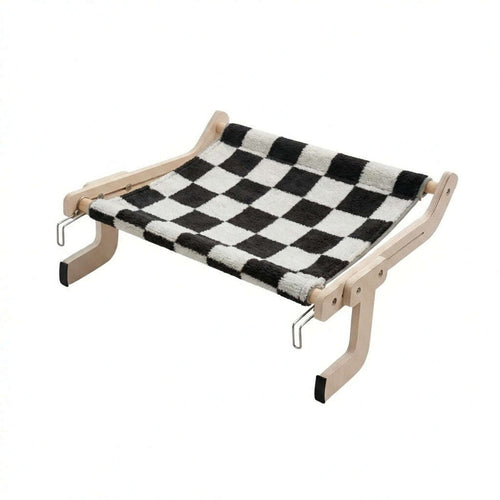
- Cat Window Perch — window perch, zero floor space — €39.99
See the whole collection → · Free delivery across France and Europe.
Turkish Angora at a Glance
Everything you need to know about the Turkish Angora, at a glance:
| Trait | Details |
|---|---|
| Origin | Turkey (Ankara), ancient natural breed |
| Size | 6.5-11 lbs (3-5 kg) |
| Life expectancy | 13-18 years |
| Coat | Medium-length, silky, no undercoat (often white) |
| Temperament | Lively, playful, sociable, and affectionate |
| Distinctive traits / health | Sometimes odd-eyed; possible deafness in blue-eyed white cats |
| Estimated price | $650-$1,300 |
The vertical territory of a Turkish Angora
Heir to the oldest long-haired lines, the Turkish Angora is above all a curious climber that lives up high. Here are the essentials for building its territory.
📚 Sources and References
- TICA (The International Cat Association). Breed profile – Turkish Angora. https://tica.org
- CFA (Cat Fanciers' Association). Breed profile – Turkish Angora. https://cfa.org
- LOOF (French Official Registry of Feline Origins). Breed standard – Turkish Angora. https://loof.asso.fr
- FIFé (Fédération Internationale Féline). Breed standard – Turkish Angora (ANT). https://fifeweb.org
- International Cat Care. Breed profile – Turkish Angora. https://icatcare.org
Frequently Asked Questions About the Turkish Angora
-
The Turkish Angora is a playful, elegant cat deeply devoted to its family. It stays active and spirited well into old age, and loves hunting-style play and climbing to high perches. Especially chatty, it happily narrates its day and often follows its humans from room to room, disliking being left alone for long stretches.
-
A Turkish Angora from a reputable breeder typically falls within an estimated range of $650 to $1,300. If you're looking to bring one home, you'll need to go through a professional breeder, since Le Félin does not sell cats.
-
The Turkish Angora is a medium-sized cat with a slender, muscular but never bulky build, carried on long, fine legs. Its medium-length, silky coat, nearly free of undercoat, gives it a light, flowing texture that's especially soft to the touch. The white coat, sometimes paired with odd-colored eyes, is the most famous look, though the breed comes in many colors and patterns.
-
Yes, the Turkish Angora makes an excellent family companion thanks to its highly sociable nature and its eagerness to be part of household life. That said, it's important to give it regular company and interaction, since it doesn't handle long stretches of solitude well. With a stimulating environment and proper care, it can be by your family's side for 13 to 18 years.


Your cat’s well-being, our number one priority
A French team that lives with cats, products chosen for their instincts (climbing, scratching, watching, hiding) and over 100 guides written to help you choose well.
- Free deliveryFrance and Europe, no minimum
- Secure paymentCard, Apple Pay, PayPal, Shop Pay
- 30-day returnsSatisfied or refunded
- Expert advice100+ guides and tutorials, support in France
Our Products