How Much Does an Egyptian Mau Cat Cost?

The price of an Egyptian Mau typically ranges between $1,000 and $1,800. This price from a certified breeder depends on the bloodline, pedigree, conformity to breed standard, and veterinary costs involved.
Why the Egyptian Mau Is So Expensive
A rare and highly sought-after breed
One of the main reasons behind this high price tag lies in the breed's inherent rarity. A true Egyptian Mau is not a common cat. Unlike widely available breeds, the number of annual births remains extremely limited. According to statistics from France's Livre Officiel des Origines Félines (LOOF), this breed accounts for only a tiny fraction of pedigreed cat births each year. This limited supply, paired with growing demand from enthusiasts, inevitably drives prices up. Breeders of this exceptional Egyptian Mau often have to import new breeding cats from abroad to avoid inbreeding, which brings substantial logistical costs.
The costs behind ethical breeding and health care
Beyond rarity, the price of a purebred Egyptian Mau reflects the enormous work put in by the breeder. A serious breeding program invests heavily in the health of its breeding cats. Genetic testing to rule out hereditary diseases, advanced veterinary monitoring, regular ultrasounds, and premium nutrition all add up to a significant budget. In addition, kittens generally stay with the cattery until they're 12 to 14 weeks old, to ensure proper social and emotional weaning before joining their new family.
Egyptian Mau in an Apartment
Adapting to indoor life
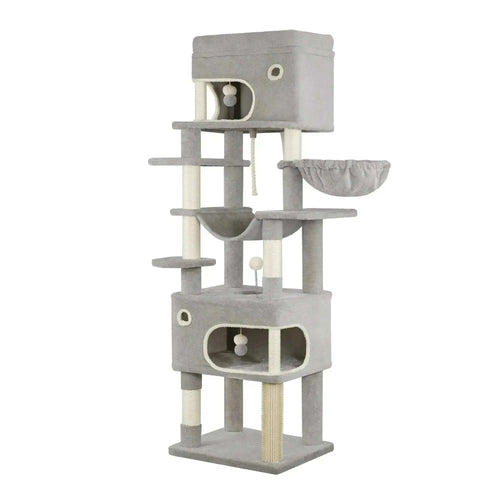
The Egyptian Mau is a highly adaptable cat, which makes apartment living entirely possible under the right conditions. Contrary to popular belief, a cat doesn't necessarily need a huge yard to be happy, just a well-designed indoor territory that makes use of all three dimensions. This athletic Egyptian Mau loves to run, jump, and watch the world from up high. To help it thrive within four walls, it's essential to make the most of your home's vertical space, for example with an ultra-sturdy Maine Coon cat tree. Installing wall shelves or setting up observation platforms near windows will satisfy its instincts as both a born predator and a natural-born watcher.
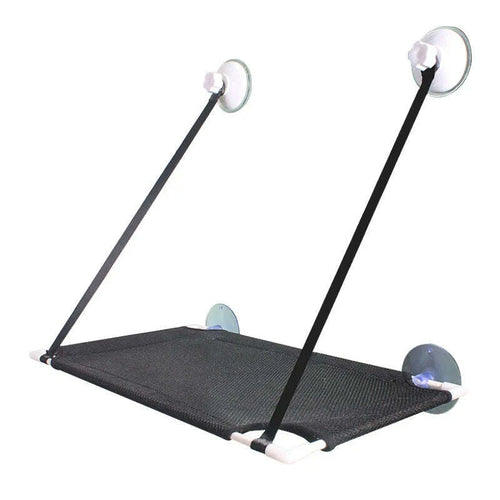
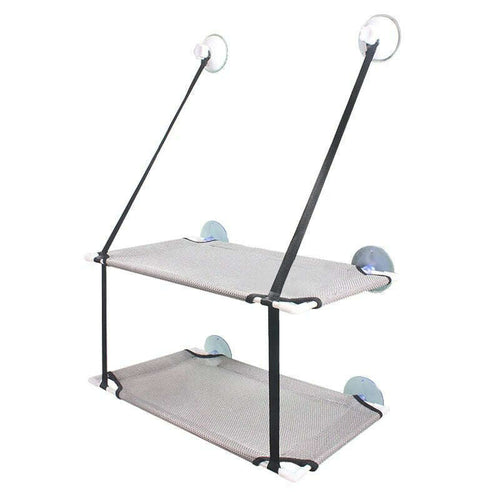
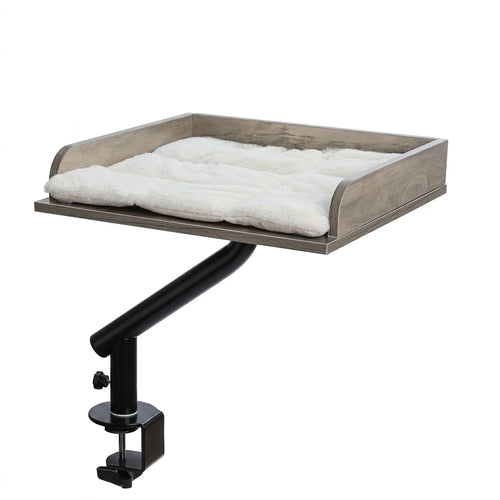
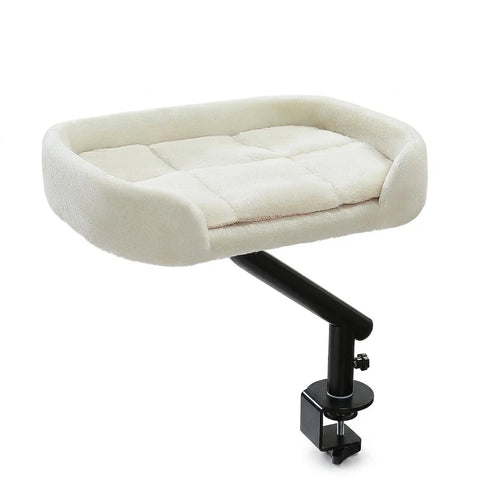
To keep their eyes busy all day long, the Cat Window Perch with suction cups gives them a clear view without taking a centimetre of floor space, at €29.99, free delivery.
The need for daily mental and physical stimulation
Boredom is the biggest enemy of an Egyptian Mau living strictly indoors. The Mau is especially intelligent and bonds closely with its owner. It craves attention and regular interaction. To make up for the lack of outdoor time, you'll need to offer daily play sessions. As the VetAgro Sup Animal Welfare Chair points out, environmental enrichment is essential to prevent behavioral issues in cats kept indoors, particularly through regular scent- and sight-based stimulation.

How to Recognize a Real Egyptian Mau
The natural, exclusive "spotted tabby" coat
Identifying an authentic Egyptian Mau relies on strict physical criteria. The most striking detail is undoubtedly its coat. It's the only domestic cat breed to have a naturally spotted ("spotted tabby") coat, with no human intervention whatsoever. The spots should be clearly separated, round or oblong, and stand out sharply against the coat's base color. On the forehead, you'll notice the classic "M" mark common to tabby cats, extended by lines that run across the skull and down the spine. Its gooseberry-green eyes are also a must-have signature to confirm a purebred Egyptian Mau.
Distinct body structure and the primordial pouch
Beyond coat color, body structure is an excellent indicator of authenticity. This Egyptian Mau has a semi-foreign build: muscular, elegant, and athletic all at once. One fascinating anatomical feature sets it apart: the primordial pouch. This is a fold of skin located under the belly, just in front of the hind legs. This anatomical trait, also found in some large wild cats like the cheetah, gives it remarkable flexibility and an exceptional range of motion while running.

Where to Buy an Egyptian Mau
Choosing a professional, certified cattery
Bringing home a pet like this should never be taken lightly. To ensure the breed's purity, the kitten's health, and its psychological well-being, it's essential to go through certified professional breeders. A good Egyptian Mau breeder will be transparent: they'll let you visit the premises, introduce you to the parents, and provide all genetic and viral health test results. Every kitten must be registered with the official pedigree registry to hold the official title of purebred cat.
Precautions to take with online listings
Today, scams are rampant on online classifieds platforms. Be wary of listings offering an Egyptian Mau at an unbeatable price or "without papers." A kitten sold without an official pedigree is legally considered a mixed-breed cat, and there's no guarantee it will develop the expected physical or behavioral traits. What's more, these underground sellers often neglect the animals' health, which can leave you facing steep vet bills shortly after adoption.

Best Cat Tree for an Egyptian Mau
Prioritize height and rock-solid stability
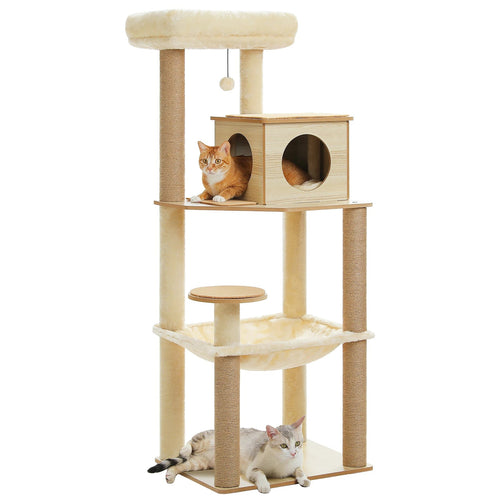
Given this breed's exceptional athleticism and remarkable spring, choosing the right furniture shouldn't be left to chance. This Egyptian Mau needs to climb and survey its territory from the highest point possible. A standard, small cat tree won't be enough to satisfy its instincts. You'll want to look at an XXL cat tree, ideally over five feet tall. Stability is the number one criterion, which is why a Maine Coon cat tree is often highly recommended, given the power behind this impressive jumper's leaps.
Repurpose equipment built for large breeds
This breed's muscular power means gear wears out quickly if it isn't top quality. That's why many owners strategically choose to invest in a Maine Coon cat tree. Originally designed for the world's largest cat breed, these models offer rock-solid durability against the antics of an energetic Egyptian Mau. To blend in elegantly with your home while still delivering that sturdiness, a driftwood cat tree is the perfect investment: its extra-wide, sisal-wrapped posts will withstand years of scratching while giving your cat secure observation platforms.

How Much Does an Egyptian Mau Cost by Lineage?
The price of an Egyptian cat (Mau) mostly comes down to its lineage and intended purpose. Here are the price ranges to know before adopting one:
| Type / Lineage | Price Range |
|---|---|
| Pedigreed companion kitten | $850 to $1,300 |
| Show or breeding lineage | $1,600 and up |
| By coat color (silver, bronze, smoke) | varies with rarity |
On top of the purchase price, plan for an upkeep budget of about $350 to $550 a year (quality food, veterinary care, litter). Be wary of unusually low prices, they're often a sign of an unregistered breeder.
Kitting out your Egyptian Mau
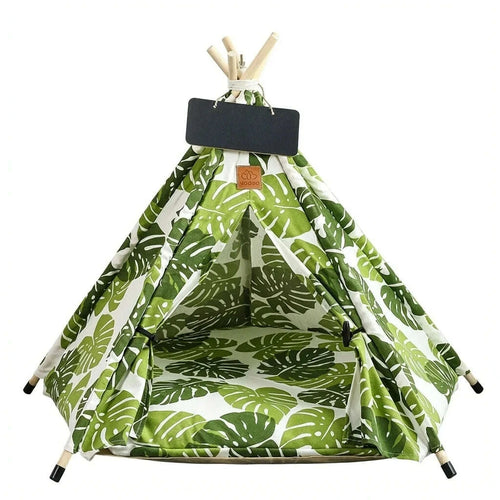
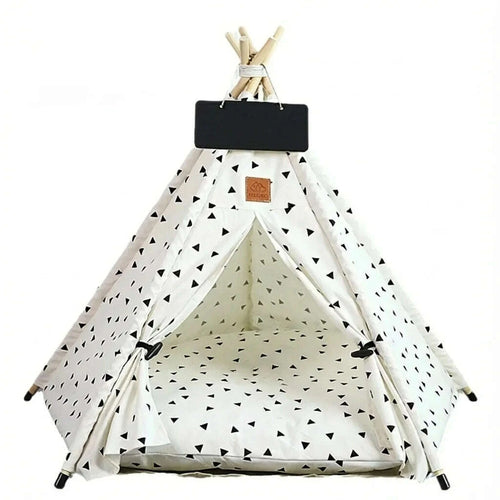
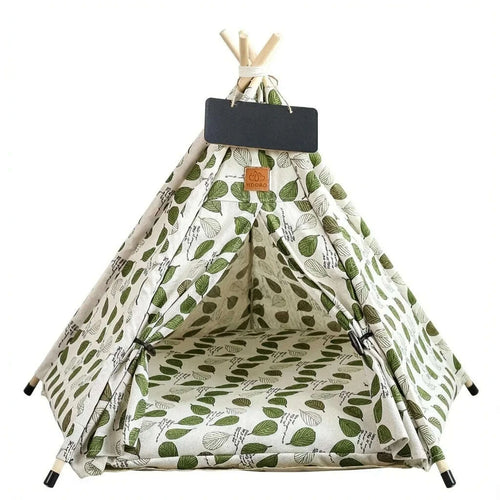
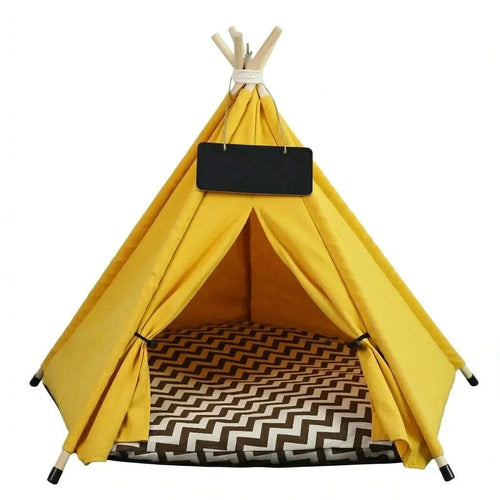
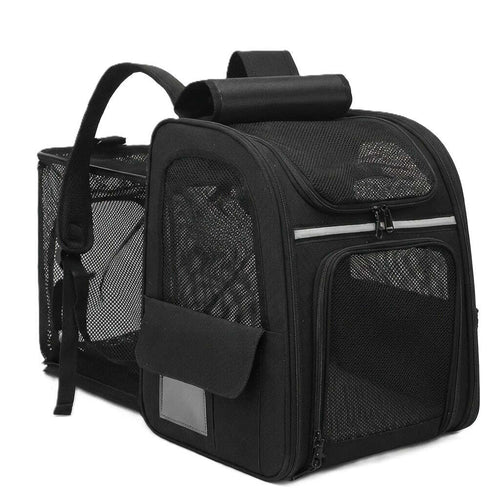
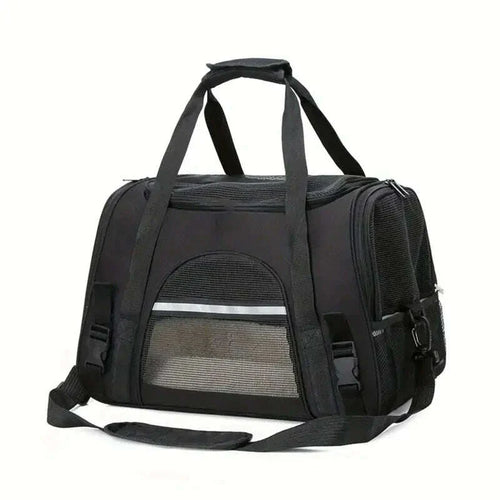
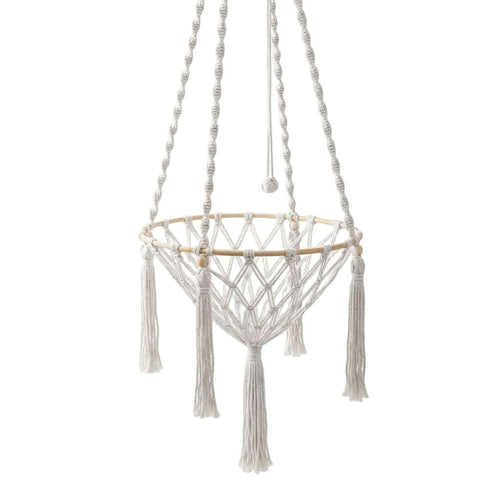
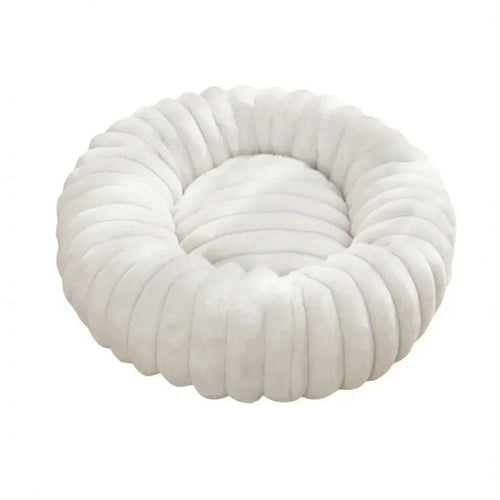
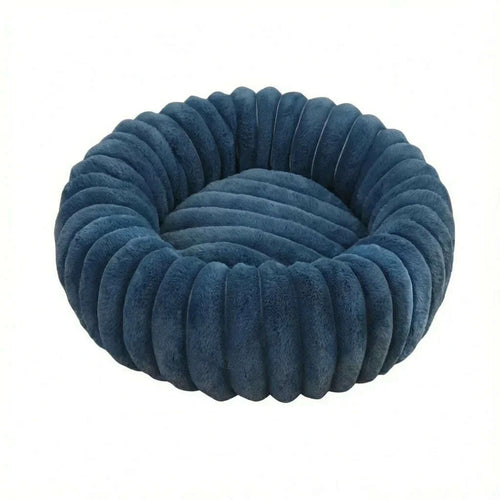
The purchase price is only part of the budget: a curious, athletic Mau needs a territory to match and hydration you keep an eye on. Here’s what you need to prepare for their arrival with peace of mind.
📚 Sources and References
- LOOF (French Official Cat Breeding Registry). Breed standard – Egyptian Mau, and birth statistics by breed. https://loof.asso.fr
- TICA (The International Cat Association). Egyptian Mau Breed Standard. https://tica.org
- CFA (Cat Fanciers' Association). Egyptian Mau Breed Profile. https://cfa.org
- International Cat Care. Resources on kitten welfare and socialisation before adoption. https://icatcare.org
- Cornell Feline Health Center. Resources on hereditary diseases and genetic testing in cats. https://vet.cornell.edu
FAQ: Egyptian Mau
-
This breed is known for its natural sturdiness. On average, a healthy Egyptian Mau lives between 13 and 16 years, sometimes longer with a premium diet and regular veterinary checkups throughout its life.
-
Yes, it's generally very affectionate and playful, making it a great companion for children. That said, it's important to teach kids to respect the cat's boundaries so it doesn't get stressed or defensive.
-
It has a very distinctive voice, soft and melodious, often described as a chirp or a bird-like trill. While it definitely knows how to communicate, it isn't as vocal as breeds like the Siamese.
-
Grooming is very easy thanks to its short, silky coat. A weekly brushing with a soft boar-bristle brush or a grooming glove is more than enough to clear away loose hair and stimulate blood flow to the skin.
-
Overall it's a very healthy breed. That said, certain lines can be predisposed to hypertrophic cardiomyopathy (HCM) or feline asthma, which is exactly why it's so important to adopt from a breeder who runs regular health screenings on their breeding cats.


Your cat’s well-being, our number one priority
A French team that lives with cats, products chosen for their instincts (climbing, scratching, watching, hiding) and over 100 guides written to help you choose well.
- Free deliveryFrance and Europe, no minimum
- Secure paymentCard, Apple Pay, PayPal, Shop Pay
- 30-day returnsSatisfied or refunded
- Expert advice100+ guides and tutorials, support in France
Our Products